
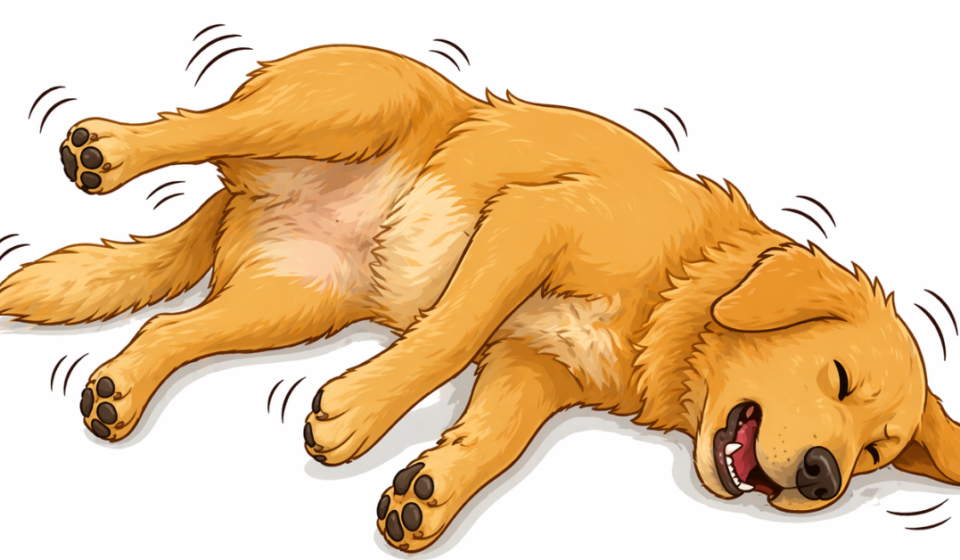

A sudden seizure in a dog can feel overwhelming, even for experienced pet owners. The body stiffens, muscles twitch uncontrollably, and awareness seems to disappear in an instant. The emotional impact is just as intense as the physical symptoms, leaving many unsure of what to do next.
Moments like these demand calm and informed action. Panic often leads to mistakes that can increase risk rather than reduce it. A clear understanding of what is happening inside the dog’s body and how to respond safely can make a significant difference in outcomes and recovery.
Seizures are more common than many realize, and they can occur for a variety of reasons ranging from temporary triggers to underlying health concerns. Recognizing the signs, responding correctly, and knowing what not to do are essential steps in protecting a dog during such a critical episode.
What Is a Seizure in Dogs
A seizure is a sudden surge of electrical activity in the brain. This disruption affects normal brain function and leads to involuntary physical and behavioral changes.
Key Characteristics
- Loss of control over body movements
- Muscle stiffness or jerking
- Altered awareness or unconsciousness
- Temporary confusion after the episode
Types of Seizures
Generalized Seizures
These affect the entire body. Dogs may fall, shake, paddle their legs, and lose consciousness.
Focal Seizures
These impact a specific part of the body, such as twitching in one limb or facial movements.
Cluster Seizures
Multiple seizures occur within a short period. This is considered serious and requires urgent attention.
Status Seizures
A prolonged seizure lasting more than a few minutes. This is an emergency situation.
Early Warning Signs
Seizures often begin with subtle behavioral changes before the visible episode starts.
Pre Seizure Indicators
- Restlessness or pacing
- Excessive drooling
- Whining or unusual vocal sounds
- Seeking comfort or hiding
These signs may last seconds or several minutes before the seizure begins.
What Happens During a Seizure
Understanding the phases of a seizure can help manage the situation more effectively.
Phases Explained
Pre Ictal Phase
Behavior changes occur before the seizure.
Ictal Phase
The active seizure takes place. This includes shaking, stiffness, and loss of control.
Post Ictal Phase
After the seizure ends, the dog may appear confused, disoriented, or temporarily blind.
What To Do When a Dog Has a Seizure
Quick and calm action is critical. The goal is to keep the dog safe without interfering with the seizure itself.
Stay Calm and Observe
Remaining calm allows better decision making. Panic can lead to unsafe actions.
Move Dangerous Objects Away
Clear the area of furniture or sharp objects that may cause injury.
Keep Hands Away From the Mouth
Dogs do not swallow their tongues during seizures. Placing hands near the mouth increases the risk of accidental bites.
Time the Seizure
Tracking the duration is important. Use a clock or phone to measure how long the episode lasts.
Dim the Environment
Lower lighting and reduce noise to minimize stimulation.
Place a Cushion Nearby
If possible, gently place something soft near the head to prevent injury.
What Not To Do During a Seizure
Mistakes during a seizure can increase harm. Avoid these actions at all costs.
Do Not Restrain the Dog
Holding or restricting movement can cause injury to both the dog and the person.
Do Not Put Objects in the Mouth
This can lead to choking or dental damage.
Do Not Attempt to Feed or Give Water
Swallowing reflexes are impaired during a seizure.
Do Not Panic or Shout
Loud noise and chaotic movement can increase stress during recovery.
After the Seizure Ends
The period following a seizure is just as important as the event itself.
Provide a Safe Space
Allow the dog to rest in a quiet and comfortable area.
Monitor Behavior
Confusion, pacing, or temporary blindness may occur. Stay nearby without overwhelming the dog.
Offer Gentle Reassurance
A calm voice can help reduce anxiety during recovery.
Record the Details
Take note of duration, symptoms, and behavior before and after the seizure.
When Immediate Veterinary Care Is Needed
Some situations require urgent attention.
Warning Signs
- Seizure lasts more than five minutes
- Multiple seizures occur in a short time
- Difficulty breathing after the episode
- No recovery between seizures
Prompt professional care is essential in these cases.
Common Causes of Seizures in Dogs
Seizures can stem from a wide range of factors.
Possible Triggers
| Cause Category | Examples |
|---|---|
| Neurological | Epilepsy, brain abnormalities |
| Toxic Exposure | Chemicals, certain foods, plants |
| Metabolic Issues | Low blood sugar, liver conditions |
| Injury | Head trauma |
| Environmental | Stress, extreme temperature changes |
Understanding potential causes helps guide long term management.
Key Facts and Insights
- Seizures often last less than two minutes but feel much longer in real time
- Many dogs recover fully after a single episode
- Recurrent seizures may indicate a chronic condition
- Early recognition improves response effectiveness
Prevention and Risk Reduction
While not all seizures can be prevented, certain measures may reduce risk.
Maintain Routine Care
Regular health checkups support early detection of underlying issues.
Avoid Known Triggers
If a trigger is identified, minimizing exposure can help reduce episodes.
Provide Balanced Nutrition
Stable energy levels contribute to overall neurological health.
Monitor Environmental Stress
A calm and predictable environment supports well being.
Conclusion
A seizure in a dog is a moment that demands awareness, composure, and informed action. The intensity of the experience can be unsettling, yet the response taken during those critical minutes has a direct impact on safety and recovery. Clear steps such as maintaining a calm presence, protecting the dog from harm, and avoiding common mistakes form the foundation of effective care.
Equally important is the period after the seizure, where observation and reassurance support the dog’s return to normal behavior. Patterns, frequency, and duration provide valuable insight that can guide future decisions. While not every seizure signals a long term condition, repeated episodes should never be ignored.
Preparedness transforms fear into control. With the right knowledge, the situation becomes manageable rather than overwhelming. A calm, informed response ensures that the dog remains as safe as possible during one of the most vulnerable moments it may face.
Frequently Asked Questions
1. Can a dog die from a seizure
Seizures can be life threatening if prolonged or repeated without recovery.
2. How long is too long for a seizure
A seizure lasting more than five minutes is considered an emergency.
3. Is it safe to touch a dog during a seizure
Touching should be minimal and only to prevent injury.
4. Why does a dog act strange after a seizure
The brain needs time to recover, leading to confusion and disorientation.
5. Can stress cause seizures in dogs
Stress can act as a trigger in some cases.
6. Are seizures painful for dogs
The dog is typically not aware during the episode, so pain is unlikely during the seizure itself.
7. Should a dog be left alone after a seizure
Monitoring is important until normal behavior returns.
8. Can diet influence seizures
Nutritional balance may play a role in overall neurological stability.
9. Do seizures always mean epilepsy
No, seizures can occur due to various causes, not just epilepsy.
10. How can seizure episodes be tracked
Keeping a record of timing, duration, and symptoms helps identify patterns.