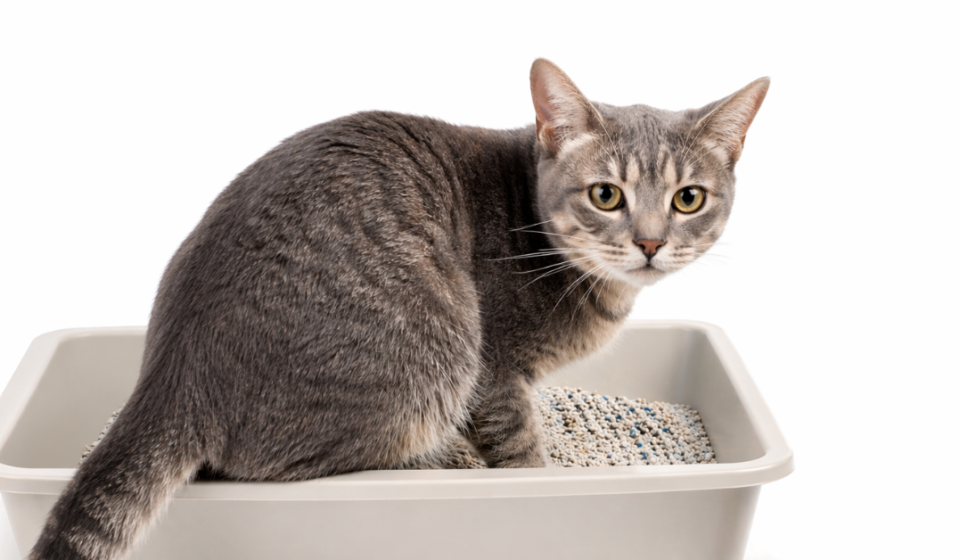

Every cat owner has experienced that unsettling moment of finding loose, watery stool in the litter box or, worse, outside of it. Cat diarrhea is one of the most frequently reported feline health concerns across veterinary clinics in the United States, and it is also one of the most misunderstood. While it is tempting to write off a single episode as a minor inconvenience, the reality is that diarrhea in cats is not a disease in itself. It is a symptom, and the underlying cause can range from something as simple as a new brand of food to something as serious as a systemic illness that demands prompt professional attention.
Diarrhea is defined as unformed or loose stools, usually with increased frequency. It results from faster movement of fecal material through the intestine, combined with decreased absorption of water, nutrients, and electrolytes.
What makes it particularly tricky with cats is that these animals are naturally fastidious groomers. The telltale signs of diarrhea may be missed, especially in the early stages, which is one reason routine veterinary visits are so important. A cat that uses the litter box regularly and cleans itself thoroughly might mask the problem for longer than most owners realize.
The good news is that understanding the most common causes of cat diarrhea, recognizing the warning signs that separate a minor stomach upset from a genuine emergency, and knowing exactly when to pick up the phone and call a vet can make a significant difference in how quickly a cat recovers. Cats experiencing digestive upset can become dehydrated rapidly, with senior cats and kittens being especially vulnerable to complications. Being informed is not just reassuring; it is genuinely protective for a cat’s health.
What Is Actually Happening Inside a Cat’s Gut
Before getting into specific causes, it helps to understand what is going on physiologically when a cat develops diarrhea. The digestive system is a finely tuned system, and any disruption to its normal rhythm can trigger loose stools. One way to classify diarrhea is as either small bowel or large bowel diarrhea. With small bowel diarrhea, large volumes or watery diarrhea are more likely, which can quickly lead to significant dehydration and an electrolyte imbalance.
Large bowel diarrhea, on the other hand, tends to involve more frequent, smaller amounts of stool, often accompanied by visible straining and urgency. With large bowel diarrhea, the cat may be supremely uncomfortable, and the continued straining only makes the irritation worse. Each type points to different parts of the digestive tract being affected, which is useful information to share with a veterinarian when seeking help.
The Most Common Causes of Cat Diarrhea
Sudden Diet Changes and Food Sensitivities
One of the most frequent triggers of cat diarrhea is a sudden switch in food. If a cat’s food is changed suddenly, without giving her a chance to adjust to the new food, she may have some stomach upset for a day or two while she adjusts. A cat’s digestive system needs time to adapt to new proteins, fiber sources, and ingredient profiles. Introducing any new food too quickly overwhelms the gut’s ability to process it efficiently.
Food sensitivities and allergies are also increasingly recognized as a cause of both acute and chronic diarrhea in cats. Food allergies can cause chronic diarrhea and vomiting when not addressed. Proteins like chicken, beef, dairy, and fish are among the most commonly implicated allergens in feline diets. Identifying these sensitivities usually requires a dietary elimination trial conducted under veterinary guidance.
Intestinal Parasites
Parasites can definitely irritate a cat’s gastrointestinal tract, causing all kinds of diarrhea involving the small and/or large bowels. Common culprits include roundworms, hookworms, whipworms, Giardia, and Coccidia. Outdoor cats, cats with access to raw prey, and cats living in multi-pet households face a higher risk of parasitic infection. Only a vet can diagnose and properly treat digestive parasites in cats. Fecal testing is a standard part of any diagnostic workup for chronic or recurring diarrhea.
Viral and Bacterial Infections
A stomach virus is a moderate to severe problem for a cat, and viral causes are most common in kittens and cats who are not fully vaccinated. Feline panleukopenia, feline coronavirus, and various bacterial infections such as Salmonella and Campylobacter can all trigger significant gastrointestinal distress. Some infections can be quite serious, contagious, or even life-threatening.
Stress and Anxiety
Cats are creatures of habit, and changes in their environment can have a direct impact on gut health. Moving to a new home, the arrival of a new pet or family member, a change in household routine, or even a shift in litter brand can trigger stress-related diarrhea. The gut and brain are closely connected through what researchers call the gut-brain axis, and in cats, this connection is especially sensitive.
Inflammatory Bowel Disease
Inflammatory bowel disease is one of several conditions that can cause cat diarrhea and vomiting. This chronic condition involves persistent inflammation of the gastrointestinal tract walls and is one of the leading causes of long-term digestive issues in middle-aged and older cats. It often requires dietary management, ongoing veterinary support, and in some cases, specific treatments prescribed by a veterinarian.
Toxin Ingestion
Toxin ingestion is one very serious and concerning potential cause of cat diarrhea. If a cat ingests something toxic or poisonous, such as poisonous plants, vomiting and diarrhea will likely be some of the first symptoms. From there, the cat’s condition will likely deteriorate quickly, so prompt emergency vet care is crucial. Common household toxins include certain houseplants, human medications, cleaning products, and foods like onions, garlic, grapes, and chocolate.
Intestinal Obstructions
Sometimes, when cats are playing, they may accidentally swallow parts of their toys or other small items. When this happens, the item can cause a blockage in the intestines, which may lead to die-off of the rest of the digestive system. This problem can quickly become fatal. A cat that is straining to pass stool but only producing small amounts of liquid or nothing at all may be experiencing a blockage, which is a veterinary emergency.
Medications and Other Medical Conditions
Certain antibiotics can upset the gastrointestinal tract, and other medications and certain toxins can also cause diarrhea. Beyond medications, underlying systemic conditions such as hyperthyroidism, kidney disease, liver disease, and diabetes can all manifest with digestive symptoms including diarrhea. This is why a thorough diagnostic workup is often necessary when diarrhea is persistent or unexplained.
A Quick Reference: Causes at a Glance
| Cause | Type | Urgency Level |
|---|---|---|
| Sudden diet change | Dietary | Low to Moderate |
| Food allergy or sensitivity | Dietary | Moderate |
| Intestinal parasites | Infectious | Moderate to High |
| Bacterial or viral infection | Infectious | High |
| Stress or anxiety | Behavioral | Low to Moderate |
| Inflammatory bowel disease | Chronic condition | Moderate (ongoing management) |
| Toxin ingestion | Emergency | Very High |
| Intestinal obstruction | Emergency | Very High |
| Medications or systemic illness | Medical | Moderate to High |
Spotting the Difference: Mild vs. Serious Diarrhea
When One Episode Is Probably Fine
If a cat has a single episode of diarrhea and is otherwise acting normal, it is likely not a cause for concern. Monitoring the cat’s bowel movements to see if things clear up is a reasonable approach. More than two episodes could indicate a problem, so it is a good idea to call a vet if a cat has two or more bouts of diarrhea.
A cat that is alert, eating normally, drinking water, and behaving as usual is a reasonably reassuring picture in the short term. Keeping a close eye on the litter box activity over the next 12 to 24 hours is practical.
When the Concern Is Growing
If frequent liquid or semi-liquid stools continue for more than two days, a vet should be consulted. At this point, the risk of dehydration becomes real, and the underlying cause needs to be identified rather than simply waited out.
Check for dehydration by feeling the cat’s gums, which should be moist and not sticky. Gently pinch the skin between the shoulders; it should spring back quickly. Sunken eyes or reduced energy can also point to dehydration.
When to Call the Vet Without Delay
This is the section that matters most. Recurring diarrhea over a short period is concerning, especially for older pets, young animals, or those with a weakened immune system. The following signs indicate that waiting is not an option:
Blood in the stool
The presence of red or dark, tarry blood in a cat’s stool is a red flag that requires immediate veterinary attention.
Vomiting alongside diarrhea
A variety of conditions, such as inflammatory bowel disease, intestinal parasites, liver disease, infections, and even stress, can all cause cat diarrhea and vomiting together. The combination of both symptoms increases the risk of rapid dehydration.
Lethargy or weakness
A cat that is unusually still, hiding, or unwilling to engage is communicating that something is wrong beyond a simple stomach upset.
Loss of appetite
Reduced interest in food combined with diarrhea may indicate digestive discomfort significant enough to warrant a professional evaluation.
Straining in the litter box
If a cat appears to be struggling to pass stool and is only passing small amounts of watery diarrhea, it could be a sign of a painful blockage caused by the ingestion of a foreign object. This is a serious concern and requires urgent veterinary attention.
Diarrhea lasting beyond 24 to 48 hours in kittens or senior cats
Recurring diarrhea is particularly concerning if the pet is very old, very young, or has a compromised immune system.
Known or suspected toxin exposure
Any situation where a cat may have eaten something toxic demands an emergency vet visit, even before symptoms fully develop.
What a Vet Will Do: The Diagnostic Process
Initial Assessment and History
A vet will begin by asking detailed questions about the cat’s diet, recent changes in the household, travel history, vaccination status, and the appearance and frequency of the diarrhea. Being prepared with this information speeds up the diagnostic process considerably.
Common Diagnostic Tests
A veterinarian may run a battery of tests to diagnose diarrhea, including a complete blood count and chemistry test to analyze red and white blood cell counts, internal organ function, and electrolytes. A fecal test checks for intestinal parasites and infectious organisms.
An infectious disease test looks for feline immunodeficiency virus and feline leukemia virus. A thyroid test checks thyroid hormone levels. Additional testing such as X-rays, biopsies, or an abdominal ultrasound may also be needed depending on symptoms and results of previous testing.
Caring for a Cat With Diarrhea at Home
Focus on Hydration First
Fresh water should always be available and placed in multiple spots around the home to encourage drinking. Many cats become dehydrated during stomach upsets, so placing fresh water bowls in multiple locations around the home and encouraging regular drinking is a helpful supportive measure.
What to Feed
Multiple smaller meals of something easily digestible are recommended. Withholding food entirely is not advised, as the intestines need nutrition in order to heal themselves. A low-fat, mostly carbohydrate diet like potatoes, pasta, or rice with a small amount of chicken, turkey, low-fat cottage cheese, or yogurt can be supportive.
Probiotics and Fiber
Probiotics may be recommended as a dietary supplement to address the balance of microbiome and reduce gastrointestinal upset. Increasing fiber intake by trying the cat on a low-fat, high-carbohydrate diet that includes foods such as potatoes or rice mixed with chicken, turkey, cottage cheese, or yogurt can also be beneficial.
Avoid Human Medications
Never give a cat over-the-counter anti-diarrheal medications for humans, such as Imodium or Pepto Bismol, without first talking to a veterinarian, as these can have severe side effects in pets. What works for a human digestive system can be genuinely toxic to a cat.
Preventing Diarrhea Before It Starts
Prevention is far less stressful than treatment. Transitioning to any new food gradually over seven to ten days, keeping the litter box clean and in a consistent location, minimizing household disruptions where possible, and maintaining a current parasite prevention routine are all practical steps that significantly reduce the likelihood of recurrent digestive issues. Regular veterinary checkups allow problems to be caught early, before a manageable condition becomes a serious one.
The Bottom Line on Cat Diarrhea
Cat diarrhea is one of those health issues that sits right on the edge between “watch and wait” and “act right now,” and knowing the difference can genuinely be life-saving for a feline companion. A single, isolated episode in an otherwise healthy adult cat that resolves on its own within a day is generally not cause for alarm. However, when episodes stack up, when other symptoms appear, when the cat belongs to a vulnerable age group, or when there is any possibility that something toxic has been ingested, delay is the wrong choice.
The most valuable thing any cat owner can do is to stay observant. The litter box is a window into a cat’s digestive health, and paying attention to changes in stool consistency, frequency, color, and the presence of blood or mucus gives a veterinarian vital information to work with. Keeping a simple log of symptoms, meal changes, and behavioral shifts during a bout of diarrhea takes only minutes and can dramatically streamline the diagnostic process.
Ultimately, the relationship between a pet owner and their veterinarian is the most powerful tool in maintaining a cat’s health. No article or online resource replaces that professional judgment. When in doubt, reaching out to a vet is always the right move. Cats cannot tell their owners what is wrong, but their bodies communicate constantly through symptoms. Listening carefully and responding quickly is what responsible, loving cat ownership looks like in practice.
Frequently Asked Questions
1. What does cat diarrhea look like?
Cat diarrhea ranges from soft, poorly formed stools to completely liquid, watery output. It may appear yellowish, greenish, or brownish and may contain mucus or blood in more serious cases. Any significant change from a cat’s usual stool consistency is worth monitoring closely.
2. Is it normal for cats to occasionally have loose stools?
Mild and infrequent digestive variation can occur in otherwise healthy cats, particularly after eating something unusual or during a food transition. However, if loose stools occur more than twice in a short period or persist beyond 24 to 48 hours, a veterinarian should be contacted.
3. How quickly can a cat become dehydrated from diarrhea?
Dehydration can set in within hours, particularly in kittens and senior cats. A cat with watery diarrhea loses fluids and electrolytes rapidly. Checking for moist gums and normal skin elasticity are quick at-home checks, but persistent diarrhea always warrants a vet evaluation for hydration status.
4. Can stress cause diarrhea in cats?
Yes. Cats are highly sensitive to environmental changes, and stress is a well-documented trigger for gastrointestinal upset. Moving homes, introducing new pets, loud noises, or changes in daily routines can all lead to stress-related diarrhea.
5. Should a cat be fasted when it has diarrhea?
Fasting is generally not recommended for cats with diarrhea. The intestinal lining requires nutrition to heal itself. Offering small, easily digestible meals throughout the day is a more supportive approach, unless a veterinarian specifically advises otherwise.
6. Can indoor cats get intestinal parasites? Yes, though outdoor cats face a higher risk. Indoor cats can still be exposed to parasites through contaminated soil tracked indoors, contact with infected animals, or even through insects. Regular parasite prevention and periodic fecal testing are recommended for all cats.
7. What is the difference between acute and chronic cat diarrhea?
Acute diarrhea comes on suddenly and typically lasts fewer than two to three weeks. Chronic diarrhea persists for three weeks or longer, or recurs repeatedly over time. Chronic diarrhea almost always requires thorough veterinary investigation to identify and manage the underlying cause.
8. Can changing cat food cause diarrhea?
Absolutely. Switching a cat’s food too quickly is one of the most common causes of short-term diarrhea. New proteins and ingredient profiles challenge the gut’s digestive enzymes. A gradual transition over one to two weeks significantly reduces this risk.
9. What are the most dangerous causes of cat diarrhea?
The most urgent causes include toxin ingestion, intestinal obstruction, severe bacterial or viral infections, and systemic diseases like kidney failure or hyperthyroidism. Any of these require prompt veterinary attention and should not be managed at home.
10. Can a cat spread diarrhea-causing infections to humans?
Certain infectious agents that cause diarrhea in cats, such as Salmonella, Campylobacter, Giardia, and Cryptosporidium, can potentially be transmitted to humans. Thorough handwashing after handling an affected cat or cleaning the litter box, and keeping the cat away from food preparation surfaces, are important hygiene practices during any illness.