
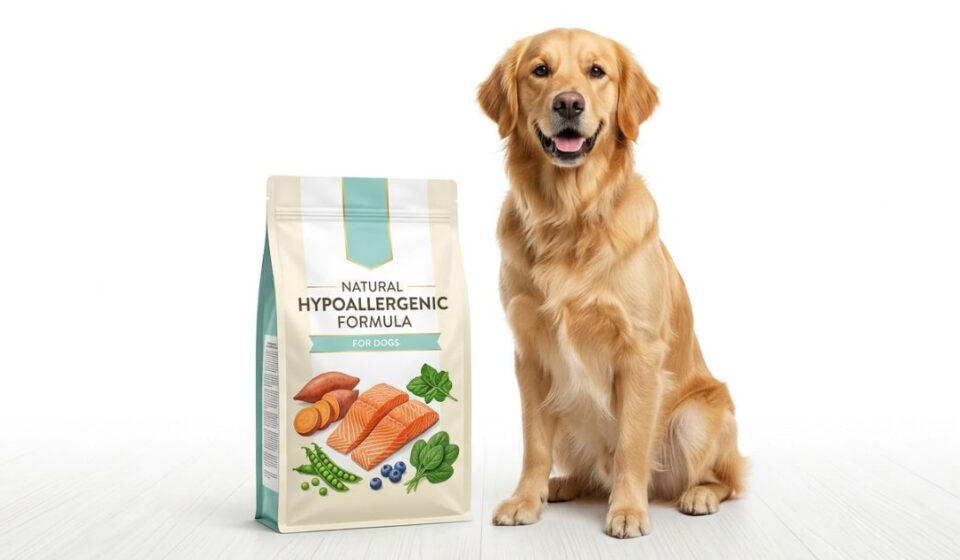
When Dogs Itch and Stomachs Churn: Finding the Best Dog Food for Allergies

A dog that scratches constantly, rubs its face on the carpet, or battles recurring ear infections is not simply being dramatic. These are hallmark signs of a food allergy, and for millions of American dog owners, the experience is both frustrating and emotionally exhausting.
Finding the best dog food for allergies is one of the most searched and most misunderstood topics in companion animal care. The stakes are real: chronic inflammation from untreated dietary allergies can permanently damage the gut lining, lead to secondary skin infections, and significantly reduce a dog’s quality of life over time.
Food allergies in dogs are far more prevalent than once believed. According to veterinary dermatology research published in journals such as Veterinary Dermatology, dietary hypersensitivity accounts for roughly 10 to 20 percent of all allergic skin conditions seen in dogs. Chicken, beef, dairy, eggs, wheat, and soy are consistently identified as the most common culprits, primarily because these ingredients have been staple components of commercial dog food for decades. The immune system, after repeated exposure, can begin to mount a defensive response against specific proteins, triggering the cascade of symptoms that owners recognize all too well.
What makes this topic complicated is the sheer volume of marketing claims in the pet food industry. Words like “natural,” “sensitive skin formula,” and “grain-free” are applied broadly and inconsistently.
Choosing wisely requires understanding the actual mechanisms of canine food allergies, what ingredients trigger them, and which diet types are supported by veterinary science. The sections that follow cut through the noise and offer a grounded, evidence-informed view of the choices available.
Why Dogs Develop Food Allergies in the First Place
The immune system of a dog with a food allergy essentially mistakes a harmless protein molecule for a threat. This is an immune-mediated response, meaning it involves IgE antibodies and inflammatory pathways rather than simple digestive intolerance. True food allergies differ from food sensitivities in a critical way: allergies produce an immune reaction, while sensitivities typically cause digestive upset without immune system involvement.
Proteins are the primary drivers of food allergies because they are the molecules most capable of triggering antibody production. Chicken and beef top the list of allergens in dogs simply because of exposure frequency. A dog fed the same chicken-based kibble for years has had thousands of opportunities for immune sensitization to develop.
Grains like wheat, while frequently blamed, are actually responsible for a smaller proportion of canine food allergy cases compared to animal proteins. Dairy and eggs, though less commonly used in commercial foods, are also significant triggers in sensitized animals.
Genetics also play a role. Certain breeds including Labrador Retrievers, Golden Retrievers, German Shepherds, Boxers, and West Highland White Terriers appear to have higher genetic predispositions to food allergies and atopic dermatitis. This does not mean all dogs of these breeds will develop allergies, but owners of these breeds should be particularly attentive when symptoms emerge.
Recognizing Allergy Symptoms in Dogs
Before choosing a new food, it helps to confirm that food is actually the cause of the symptoms. Dogs can also react to environmental allergens like pollen, dust mites, and mold, and the skin symptoms of environmental and food allergies often look identical.
Common signs of food allergies include:
Skin symptoms: Intense itching (pruritus), redness or inflammation around the paws, face, ears, and groin, recurrent hot spots, hair loss, and chronic skin infections caused by secondary bacterial or yeast overgrowth.
Gastrointestinal symptoms: Vomiting, diarrhea, excessive gas, frequent loose stools, and borborygmus (audible stomach gurgling).
Ear symptoms: Recurring ear infections, particularly those that return within weeks of antibiotic treatment, are strongly associated with food allergies in dogs. Research published in Veterinary Immunology and Immunopathology has linked recurrent otitis externa (ear inflammation) with dietary hypersensitivity in a meaningful percentage of affected dogs.
Year-round presentation: Unlike seasonal environmental allergies, food allergies tend to cause symptoms throughout the year, regardless of season or weather.
If a dog exhibits these symptoms, a veterinarian can help rule out environmental causes, parasites, and contact dermatitis before an elimination diet trial is undertaken.
The Three Core Types of Allergy-Friendly Dog Food
Understanding the structural differences between diet types is essential before making any purchasing decision. Each approach targets food allergies differently, and effectiveness depends on the individual dog’s specific triggers.
Limited Ingredient Diets (LID)
Limited ingredient dog food is exactly what the name implies: formulas built around a minimum number of ingredients, typically one protein source and one or two carbohydrate sources. The goal is to reduce the number of potential allergens the dog encounters in a single meal. Rather than a formula containing chicken, beef, salmon, turkey, corn, wheat, soy, and various by-products, an LID might contain only salmon and sweet potato.
Brands like Natural Balance, Zignature, and Merrick Limited Ingredient Diet have become well-known in this space, though quality control and true ingredient isolation varies significantly between manufacturers. A known limitation of commercial LID products is cross-contamination: a study published in PLOS ONE in 2016 tested commercial hypoallergenic and limited ingredient pet foods and found that a significant portion contained DNA from proteins not listed on the label. This makes veterinary-supervised prescription diets particularly important for dogs with confirmed severe allergies.
Hydrolyzed Protein Dog Food
For dogs with diagnosed food allergies where the specific trigger is unknown or cannot be avoided through conventional LID products, hydrolyzed protein diets represent the most scientifically rigorous option. In hydrolyzed formulas, the protein molecules are broken down (cleaved) into fragments so small that the immune system fails to recognize them as threats. Even if the base protein is chicken (a common allergen), the hydrolysis process renders the individual peptides immunologically inert for most allergic animals.
Royal Canin HP (Hydrolyzed Protein) and Hill’s z/d are among the most clinically validated hydrolyzed protein dog foods available, and both require a veterinary prescription. These diets are not inexpensive, but for dogs with severe allergies, they often provide relief that over-the-counter foods cannot match. A clinical study published in Veterinary Therapeutics found that hydrolyzed protein diets successfully reduced or eliminated symptoms in a substantial majority of dogs with confirmed food allergies over an eight to twelve week elimination trial.
Novel Protein Dog Food
Novel protein diets introduce a protein source that the dog has never eaten before. Because the immune system can only react to proteins it has previously encountered, a truly novel protein sidesteps the allergic response entirely. Common novel proteins include duck, venison, kangaroo, bison, alligator, rabbit, and even insect-based proteins such as black soldier fly larvae.
The challenge with novel protein diets is ensuring the protein is genuinely novel to that specific dog. A dog that has eaten duck-based treats for years cannot benefit from a novel duck protein formula. Owners need to carefully audit their dog’s entire dietary history, including treats, flavored medications, and dental chews, before selecting a novel protein.
Grain-Free Dog Food for Allergies: What the Evidence Actually Shows
Grain-free dog food for allergies became enormously popular over the past fifteen years, fueled by the assumption that grains were responsible for a large portion of canine food allergies. The reality is more nuanced. Grains such as corn, wheat, and soy can trigger allergies in some dogs, but they are responsible for a smaller proportion of reactions than animal proteins.
The more significant concern with grain-free diets emerged in 2018 when the U.S. Food and Drug Administration (FDA) launched an investigation into a potential link between grain-free diets and dilated cardiomyopathy (DCM), a serious and potentially fatal heart disease, in dogs.
The investigation focused particularly on foods using legumes (peas, lentils, chickpeas) or potatoes as primary carbohydrate sources. While the investigation remains ongoing and causality has not been definitively established, the American College of Veterinary Nutrition has recommended caution with grain-free formulas until more is understood.
This does not mean grain-free diets are categorically harmful. For dogs with confirmed grain allergies or gluten sensitivities, a grain-free formula may be exactly what is needed. But grain-free should never be chosen simply as a default “healthier” option without a specific reason. A dog with no grain sensitivity gains nothing from avoiding grains, and the substitution of legumes may introduce its own complexities.
Dog Food for Sensitive Skin: Key Ingredients That Support Skin Health
Beyond avoiding allergens, certain ingredients actively support skin barrier function and reduce inflammatory response. Dogs with allergic skin conditions often benefit from formulas enriched with specific nutrients.
Omega-3 fatty acids, particularly EPA and DHA derived from fish oil, are among the best-supported nutritional interventions for canine skin health. A meta-analysis in the Journal of the American Veterinary Medical Association examined the effects of omega-3 supplementation on atopic dermatitis in dogs and found statistically significant improvements in pruritus scores and skin condition with consistent supplementation.
Dog food for sensitive skin should ideally contain a meaningful concentration of omega-3s from marine sources rather than relying solely on plant-based omega-3s like flaxseed, which dogs convert to EPA and DHA at a low efficiency rate.
Zinc is another critical mineral for skin integrity. Deficiency in zinc can cause hyperkeratosis and poor wound healing, conditions that worsen in allergic dogs due to chronic scratching and secondary infections. Biotin (vitamin B7) supports keratinocyte function and is often included in skin-focused formulas.
Some premium foods also include prebiotic fibers like chicory root and dried beet pulp to support gut microbiome health, which research increasingly ties to immune regulation and allergic response modulation.
Top Product Picks: Best Dog Food for Food Allergies in 2025
The following are widely recommended by veterinary professionals and have strong track records in managing canine food allergies.
Hill’s Prescription Diet z/d: A hydrolyzed chicken liver formula requiring a veterinary prescription. One of the most clinically studied options available. Suitable for dogs with severe or confirmed food allergies.
Royal Canin Veterinary Diet HP: Another hydrolyzed prescription formula using hydrolyzed soy protein. Particularly effective in elimination diet trials and widely used in veterinary dermatology practices.
Natural Balance Limited Ingredient L.I.X. Diet: An accessible over-the-counter LID available in single-protein formats including salmon, duck, and lamb. Good for mild to moderate sensitivities.
Zignature Limited Ingredient Formula: Grain-free, limited ingredient formulas using proteins like trout, turkey, and guinea fowl. Strong choice for novel protein trials.
Purina Pro Plan Veterinary Diets HA Hydrolyzed: Uses hydrolyzed chicken protein and starch for a highly controlled formula. Frequently recommended for elimination diets.
Merrick Limited Ingredient Diet: Available in a range of novel proteins. Uses whole ingredients without artificial additives or common allergens like chicken, beef, or eggs.
The products mentioned dare not affiliate endorsements but evidence-informed mentions based on formulation quality, brand transparency, and clinical history.
How to Conduct a Proper Elimination Diet Trial
The elimination diet trial is the gold standard for diagnosing food allergies in dogs. It involves feeding the dog a single novel or hydrolyzed protein and carbohydrate source for a minimum of eight to twelve weeks, with absolutely no other food inputs. No treats, no flavored supplements, no table scraps.
If symptoms improve significantly during the trial and then return when the original diet is reintroduced (a process called a “provocation challenge”), a food allergy diagnosis can be confirmed with reasonable confidence. This process takes patience.
Many owners abandon the trial too early, typically around four to six weeks, before the immune system has had enough time to calm. Dermatologists who specialize in canine atopic disease typically recommend a full twelve-week commitment before drawing conclusions.
Blood tests marketed as food allergy panels for dogs (saliva-based or serum IgE tests) are widely available but have poor diagnostic accuracy according to multiple peer-reviewed studies. They are not recommended as a substitute for dietary elimination trials.
Closing: What Consistent, Informed Choices Mean for an Allergic Dog
Managing a dog’s food allergies is rarely a one-time fix. It is an ongoing commitment to ingredient awareness, label literacy, and collaboration with a veterinary professional. The best dog food for allergies is not a universal product found on any shelf. It is a formula chosen with a specific dog’s history, symptom profile, and immune sensitivities in mind.
The good news is that the market for allergy-friendly dog food has matured considerably. Prescription-grade hydrolyzed diets have decades of clinical validation behind them. Novel protein formulas have expanded well beyond the typical salmon-and-potato combinations of a decade ago.
Limited ingredient options now cover every life stage and size. For a dog suffering through chronic itching, recurring ear infections, or persistent digestive upset, the difference between the right diet and a wrong one can be transformative. That transformation begins with understanding what is actually in the bowl.
FAQ Section
1. What is the best dog food for allergies overall?
There is no single best option for every dog, as the right food depends on the specific allergen involved. Hydrolyzed protein diets (such as Hill’s z/d or Royal Canin HP) are the most clinically validated choices for confirmed food allergies, while limited ingredient diets work well for dogs with mild sensitivities.
2. How do I know if my dog has a food allergy?
Common indicators include year-round itching, chronic ear infections, skin redness, digestive issues like vomiting or diarrhea, and symptoms that do not fully resolve with antihistamines. A veterinary-supervised elimination diet trial over eight to twelve weeks is the most reliable diagnostic method.
3. What are the most common food allergens in dogs?
Chicken and beef are the two most frequently reported dietary allergens in dogs, followed by dairy, eggs, wheat, and soy. Animal proteins trigger allergies more often than grains because of the immune system’s response to protein molecules.
4. Is grain-free dog food better for dogs with allergies?
Not necessarily. Grain-free food is appropriate when a dog has a confirmed grain sensitivity, but grains are not the most common allergy trigger. The FDA has also flagged a potential link between grain-free diets heavy in legumes and dilated cardiomyopathy, so the decision should involve veterinary input.
5. What is hydrolyzed protein dog food and how does it work?
Hydrolyzed protein dog food uses proteins that have been broken down into tiny molecular fragments. These fragments are too small for the immune system to recognize as allergens, allowing even dogs with severe chicken or soy allergies to tolerate formulas containing those proteins in hydrolyzed form.
6. How long does it take to see improvement on an allergy diet?
Most veterinary dermatologists recommend a minimum of eight to twelve weeks on an elimination diet before evaluating results. Skin symptoms typically improve more slowly than gastrointestinal symptoms, which may show improvement within two to four weeks.
7. Can dogs outgrow food allergies?
Food allergies in dogs are generally lifelong conditions. Once an immune response to a specific protein develops, reintroduction of that protein almost always triggers symptoms again. Strict dietary avoidance of the offending ingredient is the most effective management strategy.
8. What is a novel protein diet for dogs?
A novel protein diet features a protein source the dog has never eaten before. Since the immune system can only react to previously encountered proteins, using duck, venison, kangaroo, or rabbit in a dog that has only ever eaten chicken or beef can prevent an allergic response from occurring.
9. Are limited ingredient dog foods safe for long-term feeding?
Yes, provided the formula is nutritionally complete and balanced, meeting AAFCO (Association of American Feed Control Officials) standards for the dog’s life stage. Always verify that the product carries an AAFCO nutritional adequacy statement before making it a long-term diet.
10. Should I see a vet before switching my dog to a hypoallergenic diet?
A veterinary consultation is strongly advisable, particularly for dogs with severe or complex symptoms. A veterinarian or board-certified veterinary dermatologist can rule out environmental allergies, recommend the appropriate diet type, and supervise an elimination trial for accurate diagnosis.