
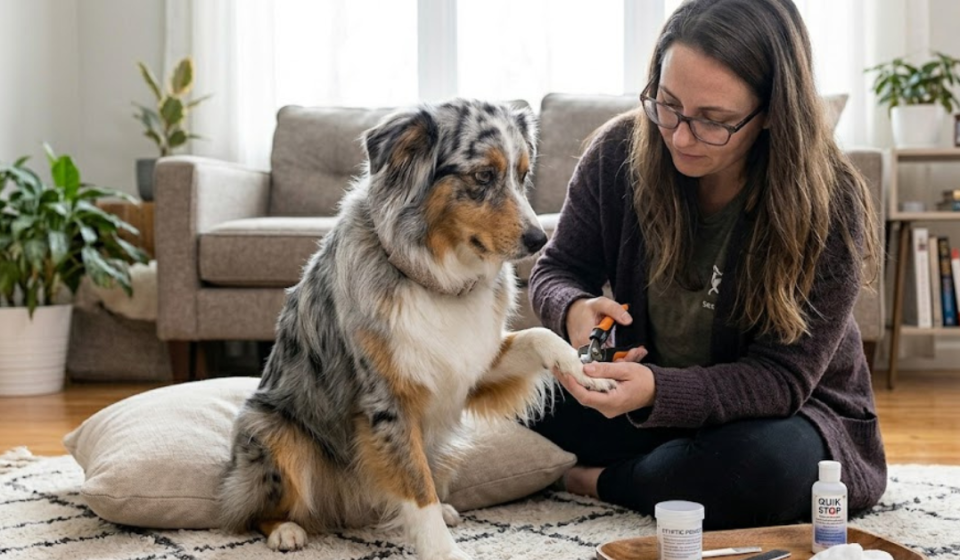

There is something every dog owner eventually faces, whether they are ready for it or not. The dog starts clicking across the kitchen floor, the nails catch on the carpet, and suddenly it becomes clear that a nail trim is long overdue.
For many pet parents, this moment brings a wave of anxiety, not because they do not care, but because they are genuinely unsure how to do it right. Trimming a dog’s nails can feel intimidating, especially for first-timers, but understanding the process changes everything.
The truth is, regular nail maintenance is one of the most important and most overlooked parts of canine care. When a dog’s toenails make contact with hard ground, like a sidewalk or kitchen floor, the hard surface pushes the nail back up into the nail bed, putting pressure on all the toe joints or forcing the toe to twist to the side. Either way, those toes become sore and even arthritic over time. What seems like a minor cosmetic task is actually a matter of physical health and daily comfort for the animal.
The good news is that trimming dog nails at home is a skill that any dedicated pet owner can develop. With the right tools, the right technique, and a little patience, the process becomes a routine rather than a dreaded chore. Dogs can be taught to tolerate and even enjoy nail care sessions, and with consistent practice, the experience becomes smoother for everyone involved.
Why Nail Length Matters More Than Most People Realize
The Hidden Health Risks of Overgrown Nails
Unhealthy nails can cause pain, and in rare instances, trigger irreversible damage to the dog. A dog’s nail consists of the living pink quick and the hard outer material called the shell. The quick supplies blood to the nail and runs through the core of it. When nails grow too long, the structural integrity of the paw changes, affecting the dog’s posture, gait, and joint health over time.
Dogs that are inactive or do not spend any time on hard surfaces may need nail trims more frequently, such as every three weeks. Dogs that are frequently walked on pavement or concrete may be able to go longer between nail trims, because walking on a hard, rough surface can help file the nail. This variation means that every dog has a different trimming schedule, and owners need to pay close attention to individual needs rather than following a one-size-fits-all schedule.
How to Tell When It Is Time for a Trim
A dog’s nails should not grow past the toe pads when standing, and the best way to tell if the nails are too long is to listen to the dog walking. Once the nails start to tap on hard surfaces, it is time for a nail trim. Additionally, if a dog’s nails touch the ground when they are standing, they are too long and should be trimmed immediately.
Do not forget about dewclaws, those smaller nails found on the inner side of the paw. Dewclaws do not contact the ground, so they often become overgrown and can even curve around until they grow into the paw pad. Checking for dewclaw growth should always be part of the regular nail inspection routine.
Choosing the Right Tools for the Job
Types of Dog Nail Clippers
Selecting the right nail clippers is the first practical step toward a successful trim. There are several styles of nail trimmers and grinders. Scissor clippers are a great option for small dogs, with notches on the blades to hold the nail in place. Larger dogs need stronger clippers to get through their thick nails, and plier-style clippers are up for the task with a heavy-duty spring that gives them added strength.
There are two main varieties of dog nail clippers: guillotine style and scissor style. Guillotine style clippers have a hole that the nail is fed through and a blade that rises up to cut the nail. Both styles are effective for dogs, although many people develop a preference for one style.
The Case for Nail Grinders
Nail grinders offer an alternative to traditional clipping, especially for dogs with thick or dark nails. This option is useful for dogs with black nails because it makes it easier to avoid hitting the quick. However, a grinder may not be the best option for dogs that are jumpy or not desensitized to the tool’s noise, as movement during grinding could cause the grinder to contact the paw or skin.
What Else to Keep Nearby
Preparation is everything. It is a good idea to have some styptic powder or other clotting powder on hand to stop bleeding in case a nail is cut too short. If styptic powder is not available, flour or cornstarch can be used as a substitute. Having these items within reach before starting the trim eliminates the panic of scrambling for supplies mid-session.
Understanding the Quick: The Most Important Anatomy Lesson
The quick is a soft cuticle within a dog’s nail. This area is very sensitive and contains blood vessels and nerve endings that feed the nail bed, and is located roughly at the curve of the nail. The quick can vary in length depending on the dog and how often its nails are trimmed.
The nail quick on dogs will get longer if their nails are not trimmed on a regular basis, making the act of trimming them safely much more difficult. This is a critical detail for dog owners who have delayed trims for an extended period, as the quick grows forward with the nail and narrows the safe cutting zone considerably.
Identifying the Quick by Nail Color
| Nail Color | How to Identify the Quick | Recommended Approach |
|---|---|---|
| Light or white nails | Visible pink area near the base | Clip confidently up to 2 mm before the pink zone |
| Dark or black nails | Look for a chalky white ring or dark circle at the center of the cut surface | Make small cuts and stop when the oval appears |
| Mixed (some light, some dark) | Use light nails as a reference for quick shape and size | Cut dark nails conservatively using light nail as a guide |
| Very thick nails | Quick may not be visible externally | Use a grinder or make multiple shallow cuts |
As the nail is cut deeper, a gray to pink oval starts to appear at the top of the cut surface of the nail. Stop cutting at this point as additional cutting will cut into the quick and cause bleeding.
Step-by-Step: How to Trim Dog Nails at Home
Preparing Your Dog Before the First Cut
Nail trimming can feel less intrusive by regularly touching and massaging the dog’s legs and feet. For puppies, playing with their feet and toes as much as possible helps them not mind having their paws touched. Another way to reduce stress during trimmings is by familiarizing the dog with the tools being used.
The American Kennel Club recommends a gradual desensitization approach spread across several days:
Day 1: Let the dog sniff the nail clipper or grinder, then offer a treat and praise.
Day 2: Lightly touch the tool to each paw, then give a treat.
Day 3: Squeeze the clipper so the dog hears the click, or turn the grinder on without trimming anything, then reward generously.
Day 4: Repeat paw touching with the tool and treat again.
Day 5: Trim just the tiniest tip from one nail on the front paw.
Day 6: and beyond: Gradually add more nails until all are done without resistance.
Practicing even when a nail trim is not needed helps keep the dog comfortable with the routine and the equipment.
The Trimming Process, Step by Step
Step 1: Position the dog comfortably. Most owners find it easiest to work with the dog facing away from them. For larger or more resistant dogs, drape the arms and upper body over the animal. When trimming front claws, keep the forearm over the dog’s neck to prevent it from lifting its head. If the dog tries to stand, lean the upper body over the shoulders to prevent it from rising.
Step 2: Pick up a paw and firmly but gently place the thumb on the pad of a toe and the forefinger on the top of the toe on the skin above the nail. Make sure none of the dog’s fur is in the way.
Step 3: Push the thumb slightly up and backward on the pad while pushing the forefinger forward to extend the nail.
Step 4: Place the clippers at the very edge of the nail and hold them at a 45-degree angle.
Step 5: Clip approximately 2 to 3 mm away from the quick. Through a series of small clips, removing 1 to 2 mm of nail with each clip, gradually cut the nail to a shorter length without damaging the quick.
Step 6: After each clip, pause and review. Hold the paw and nail up to the light and look at the center of the nail to check for the quick, which looks like a dark inner circle at the center of the nail.
Step 7: Do not forget to clip the dewclaw, which is located on the inner side of the dog’s paw.
Step 8: Reward generously with treats and praise throughout and after the session.
What to Do When Things Go Wrong
Accidentally Cutting the Quick
Even experienced groomers occasionally nick the quick. The key is staying calm. Despite best efforts, hitting the quick can happen. Styptic powder applied to the end of the dog’s nail will stop the bleeding. If styptic powder is not available, flour or cornstarch can be used instead.
Pressure can be applied to the wound using a pad of cotton wool or gauze soaked in cold water. Cotton wool and kitchen roll may stick to a wound if they become dry, so the pad should not be left in place for more than about 10 minutes. If the quick is still bleeding after this time, applying a new dressing and calling the vet team for advice is the appropriate step.
When a Dog Absolutely Refuses
Some dogs resist nail trims intensely due to past negative experiences or sensory sensitivities. If a dog loses patience quickly, trying one nail per day is a viable strategy. As long as the order of toes remains consistent, this provides a solid maintenance schedule, giving every toe a trim every 16 days.
For dogs that remain extremely resistant, vet clinics perform nail trims and can offer sedation if the dog is very upset by the procedure. Professional grooming is always a valid option for safety and the well-being of both the dog and the owner.
How Often Should Dog Nails Be Trimmed
Most dogs need to have their nails trimmed approximately once a month. However, most professionals recommend clipping a dog’s nails every two weeks for short nails, and at least once a month for normal length nails. The best approach is to check the nails weekly and trim as needed based on the sound and visual length test.
Regular nail trimming causes the quick to recede from the end of the nail. Short quicks are the preferred length for the dog’s well-being and for easy maintenance going forward. Consistent trimming essentially trains the nail to stay short and makes each future session quicker and easier.
Pro Tips That Make All the Difference
Lighting matters more than most people acknowledge. Trimming in a well-lit room or even outdoors makes it significantly easier to spot the quick and gauge how far to cut. For those who use reading glasses, wearing them during nail sessions improves visibility and reduces the risk of cutting too deep.
Sharp tools are non-negotiable. Keeping tools sharp by either replacing or sharpening clippers regularly ensures clean cuts rather than crushing or splitting the nail. Dull clippers make the experience uncomfortable for the dog and difficult for the owner.
The tone during a nail trim sets the entire atmosphere. Dogs are remarkably sensitive to their owner’s emotional state. A relaxed, upbeat attitude helps the dog remain calm, while tension or nervousness signals to the dog that something is wrong. Treats, calm voice cues, and frequent short breaks transform what could be a stressful event into a manageable routine.
Closing
Trimming a dog’s nails is one of those care practices that, once understood and practiced, becomes second nature. What feels complicated and nerve-wracking at first gradually becomes a quiet, bonding ritual between a pet parent and their dog. The knowledge of what the quick is, how to read the nail by color, which tool works best for a specific breed, and how to gradually build trust with a reluctant dog gives every owner the confidence to handle this task at home.
The long-term benefits of consistent nail care go far beyond appearance. A dog that walks comfortably, without distorted posture or toe pain, is a healthier and happier animal. Joints stay under less strain, paw pads remain protected, and the overall quality of movement is preserved well into old age. When considered through that lens, nail trimming is not a chore but an investment in a dog’s lifelong health.
Starting slowly, staying patient, and celebrating small wins along the way makes all the difference. Even owners who have never clipped a nail before can become confident and capable at home with consistent effort. The dog trusts the person holding that paw, and honoring that trust with calm, careful attention is one of the most meaningful things a pet parent can do.
Frequently Asked Questions (FAQs)
Q1. How do you know if a dog’s nails are too long?
The clearest signs are nails that click against hard floors during walking, nails that visibly extend past the toe pads when the dog is standing, or nails that curl downward. Any of these signals indicate it is time for a trim.
Q2. What happens if a dog’s nails are never trimmed?
Overgrown nails can lead to discomfort during walking, altered posture, joint stress, and in severe cases, the nail can curve and grow into the paw pad, which becomes a painful and potentially serious issue requiring veterinary attention.
Q3. How far back can a dog’s nails be safely cut?
The safe zone is approximately 2 to 3 mm away from the quick. For dogs with light nails, the quick is visible as a pink area. For dark nails, cutting should stop as soon as an oval or dark circle appears at the center of the cut nail surface.
Q4. What is the quick in a dog’s nail?
The quick is the soft, sensitive inner tissue of the nail that contains blood vessels and nerve endings. Cutting into the quick causes pain and bleeding. It recedes naturally with consistent, regular nail trimming.
Q5. Can a dog’s quick be made to recede?
Yes. Trimming nails consistently, approximately once a week, gradually causes the quick to recede from the tip. This process takes time and patience but makes future trims easier and allows for shorter, healthier nail length.
Q6. What should be used to stop bleeding if the quick is cut?
Styptic powder is the most effective option for quickly stopping nail bleeding in dogs. Cornstarch or flour can also be used in a pinch. Gentle pressure with a clean cloth or gauze pad can help while the powder takes effect.
Q7. Is a nail grinder better than clippers for dogs?
It depends on the dog and the owner. Grinders work well for dogs with thick or dark nails because they allow for gradual filing and better control. However, noise-sensitive or anxious dogs may respond better to clippers. Some owners use both tools in combination.
Q8. How can a dog be trained to tolerate nail trims?
A gradual desensitization process works best. This involves introducing the tools slowly over several days, touching the paws regularly, rewarding calm behavior with treats and praise, and starting with just one nail at a time before working up to a full session.
Q9. At what age should nail trimming begin for puppies?
It is best to begin as early as possible. Introducing puppies to paw handling and nail tools from the first days at home helps them grow comfortable with the process. Even brief, positive interactions with the clippers without actual trimming builds familiarity and reduces future resistance.
Q10. Is it necessary to trim dewclaw nails separately?
Yes. Dewclaws are located on the inner side of the paw and do not contact the ground, meaning they do not wear down naturally. They require regular trimming just like the other nails and should always be checked during every grooming session to prevent overgrowth or curling into the paw pad.