
Cats are masters at masking discomfort. In the wild, survival depended on hiding weakness, and that instinct remains deeply ingrained in domestic felines today. A cat may appear calm and composed even while experiencing a developing medical crisis. This quiet resilience often misleads owners into believing everything is normal, when in reality a serious health issue may be unfolding beneath the surface.
Veterinary data consistently shows that delayed intervention significantly reduces survival rates in acute feline emergencies. Conditions such as respiratory distress, internal bleeding, and toxin exposure can escalate within hours. Recognizing cat emergency symptoms early can make the difference between rapid recovery and irreversible damage.
A proactive awareness of critical cat health signs empowers cat owners to respond decisively. Knowing when to rush a cat to the vet is not about panic. It is about identifying specific, observable changes that signal the body is under severe stress. The following comprehensive guide outlines the most urgent emergency vet signs in cats, clarifies why they occur, and explains how immediate action protects long term health.
Why Cats Hide Illness So Effectively
Feline physiology and evolutionary biology both contribute to subtle symptom presentation. Unlike dogs, cats often show minimal outward signs until disease reaches an advanced stage. Several factors explain this behavior:
Survival Instinct
Cats are both predators and prey in nature. Visible weakness increases vulnerability. This instinct persists even in indoor cats, causing them to suppress pain responses and limit vocalization.
High Pain Tolerance
Clinical research suggests that cats demonstrate a higher threshold for displaying discomfort. This does not mean pain is absent. It means observable cues are less obvious.
Rapid Deterioration
Once a cat’s body can no longer compensate for illness, decline can occur quickly. This is why early recognition of emergency vet signs in cats is essential.
Breathing Trouble Is Always Urgent
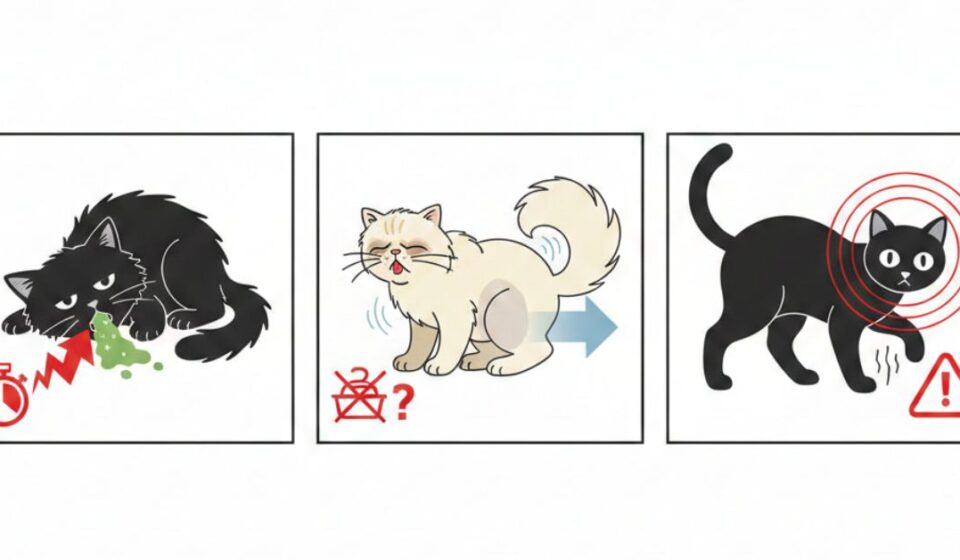
Respiratory distress is one of the most dangerous cat emergency symptoms. Oxygen deprivation affects every organ system, including the brain and heart.
Cat Breathing Fast
A resting adult cat typically breathes between 20 and 30 breaths per minute. A consistent rate above 40 breaths per minute while at rest signals a potential emergency.
Causes of Rapid Breathing
- Heart disease
- Fluid in the lungs
- Asthma
- Trauma
- Heat stress
If a cat is breathing fast, using abdominal muscles to breathe, or holding the neck extended while inhaling, immediate veterinary care is required.
Open Mouth Breathing
Unlike dogs, cats rarely pant. Open mouth breathing outside of extreme heat exposure or stress is a red flag.
Blue or Pale Gums
Healthy gums are pink. Pale, gray, or blue gums indicate oxygen deficiency or poor circulation. This qualifies as a critical cat health sign.
Sudden Lethargy and Collapse
A cat that abruptly becomes weak, unresponsive, or collapses may be experiencing shock, heart failure, toxin exposure, or severe metabolic imbalance.
Sudden Lethargy in Cats
A subtle decrease in activity can signal minor illness. However, sudden lethargy in cats, especially when paired with other symptoms such as rapid breathing or vomiting, requires immediate evaluation.
Loss of Consciousness
Fainting episodes, also called syncope, often relate to cardiac abnormalities or neurological issues. This is not a wait and see situation.
Severe Vomiting or Diarrhea
Occasional vomiting may not indicate an emergency. Persistent or violent episodes are different.
Warning Indicators
- Vomiting multiple times within a few hours
- Blood in vomit or stool
- Black, tar like stool
- Signs of dehydration
Cats are particularly susceptible to dehydration due to their smaller body mass. Severe fluid loss can lead to electrolyte imbalance and organ damage.
Urinary Emergencies in Male Cats
Urinary obstruction is one of the most life threatening emergency vet signs in cats, particularly in males.
Signs of Urinary Blockage
- Repeated trips to the litter box with no urine output
- Crying while attempting to urinate
- Licking genital area excessively
- Firm or painful abdomen
A blocked bladder can rupture or cause kidney failure within 24 to 48 hours. This condition always requires emergency care.
Trauma and Visible Injury
External injuries are easier to recognize but may conceal internal damage.
After Falls or Accidents
Even if a cat appears stable after falling from a height or being struck by a vehicle, internal bleeding or lung injury may develop hours later.
Bite Wounds
Small punctures can trap bacteria under the skin and lead to abscess formation. Fever and swelling may follow.
Neurological Red Flags
Neurological symptoms often indicate serious underlying conditions.
Seizures
A single seizure warrants veterinary consultation. Multiple seizures within 24 hours require emergency intervention.
Loss of Coordination
Sudden inability to walk properly, head tilting, or circling behavior may indicate stroke, toxin exposure, or vestibular disease.
Abdominal Distention and Pain
A swollen abdomen accompanied by discomfort is a critical cat health sign.
Possible Causes
- Internal bleeding
- Fluid accumulation
- Organ enlargement
- Gastrointestinal obstruction
A tense, painful abdomen combined with lethargy or pale gums increases urgency.
Eye and Vision Emergencies
Sudden blindness or dramatic eye changes require rapid evaluation.
Warning Signs
- Dilated pupils that do not respond to light
- Cloudy or bloody discharge
- Sudden vision loss
High blood pressure and retinal detachment are common causes of acute blindness in cats.
Toxic Exposure
Cats are uniquely sensitive to many household substances.
Common Toxic Risks
- Certain houseplants
- Human medications
- Essential oils
- Cleaning chemicals
Symptoms can include drooling, vomiting, tremors, and sudden lethargy in cats. If toxin exposure is suspected, immediate veterinary guidance is necessary.
Fever and Extreme Temperature Changes
Normal feline body temperature ranges between 100.5 and 102.5 degrees Fahrenheit.
High Fever
Temperatures above 103.5 degrees can indicate severe infection or inflammation.
Hypothermia
Low body temperature may follow trauma or prolonged exposure to cold environments.
Both conditions qualify as emergency vet signs in cats when accompanied by weakness or behavioral changes.
Behavioral Changes That Signal Crisis
Subtle shifts in behavior often precede physical symptoms.
Hiding and Isolation
While cats enjoy solitude, sudden prolonged hiding may signal pain.
Aggression Without Trigger
Uncharacteristic aggression may reflect severe discomfort or neurological distress.
Recognizing these behavioral shifts supports earlier identification of cat emergency symptoms.
Quick Reference Table of Critical Signs
| Symptom | Why It Is Dangerous | Action Required |
|---|---|---|
| Cat breathing fast | Oxygen deprivation | Immediate vet visit |
| Sudden lethargy cat | Possible organ failure or shock | Emergency evaluation |
| Pale or blue gums | Circulatory compromise | Immediate care |
| Repeated vomiting with blood | Internal damage or toxin | Urgent veterinary visit |
| No urine output | Life threatening blockage | Rush to vet immediately |
| Seizures | Neurological instability | Emergency intervention |
| Abdominal swelling | Internal bleeding risk | Immediate assessment |
| Collapse | Cardiac or systemic crisis | Emergency services |
When to Rush a Cat to the Vet
Any combination of the following justifies immediate action:
- Difficulty breathing
- Unresponsiveness
- Persistent vomiting
- Inability to urinate
- Signs of extreme pain
- Seizures
- Sudden paralysis
Time is often the most decisive factor in survival. Waiting for symptoms to improve can allow irreversible damage.
Preventive Awareness Reduces Risk
Routine veterinary exams help detect chronic conditions before they become emergencies. Monitoring daily habits such as appetite, litter box usage, and activity levels provides baseline insight. Deviation from normal patterns often serves as the first warning sign.
Early recognition of critical cat health signs dramatically improves treatment outcomes. Data from veterinary emergency centers indicates that cats presented within the first few hours of acute respiratory distress have significantly higher survival rates compared to delayed cases.
Final Thoughts on Recognizing Cat Emergencies
A calm exterior does not guarantee stability in feline health. Cats rarely dramatize illness, which makes vigilance essential. Subtle changes in breathing, energy, appetite, or litter box habits may represent the earliest stage of a developing emergency. Prompt recognition of cat emergency symptoms enables swift medical intervention and dramatically improves survival odds.
Serious conditions often escalate rapidly. Cat breathing fast, sudden lethargy in cats, inability to urinate, and neurological disturbances should never be minimized. Identifying emergency vet signs in cats is not about overreacting. It is about responding appropriately to observable, measurable warning signals. Awareness, attentiveness, and decisive action form the foundation of effective feline emergency response and long term health protection.
Frequently Asked Questions
1. How fast is too fast for cat breathing?
A resting rate above 40 breaths per minute is concerning and should prompt veterinary evaluation.
2. Is sudden lethargy in cats always serious?
Sudden lethargy in cats, especially when paired with other symptoms, often indicates a serious condition.
3. When should a vomiting cat be considered an emergency?
Repeated vomiting within hours, blood presence, or weakness signals urgent care is needed.
4. What are the most common emergency vet signs in cats?
Breathing difficulty, urinary blockage, seizures, collapse, and pale gums are among the most serious.
5. How long can a cat survive with a urinary blockage?
Complications can become fatal within one to two days without treatment.
6. Are seizures always life threatening?
Seizures can signal severe neurological problems and require prompt evaluation.
7. Can cats recover from respiratory distress?
Outcome depends on rapid intervention and underlying cause.
8. What color should healthy cat gums be?
Healthy gums should appear pink and moist.
9. Is hiding behavior always concerning?
Sudden prolonged hiding combined with other symptoms may indicate pain or illness.
10. What is the first step when critical cat health signs appear?
Contact an emergency veterinary clinic immediately and transport the cat safely.