
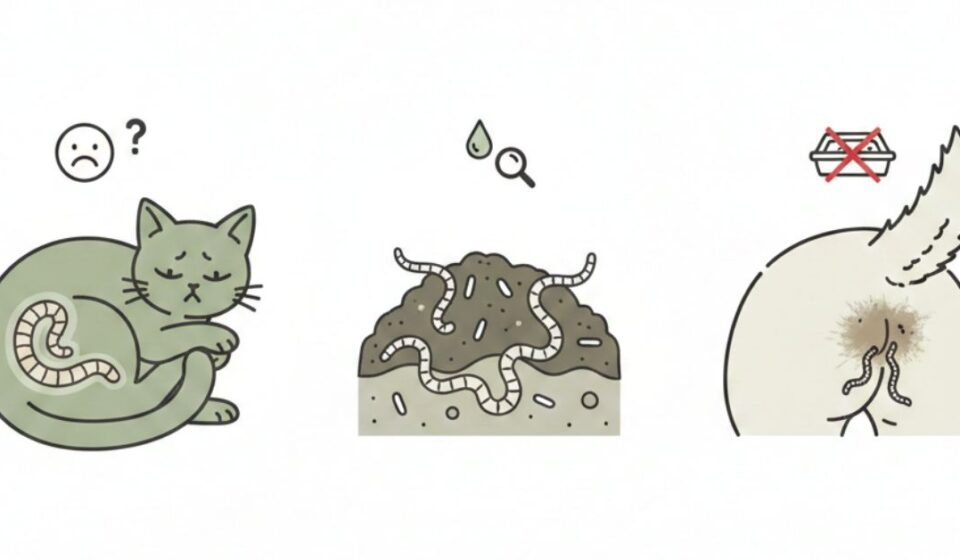

Parasites remain one of the most common yet underestimated health concerns affecting domestic cats across the United States. From playful kittens to senior indoor companions, intestinal worms can silently compromise health long before obvious symptoms appear. Many feline owners overlook early parasite infection signs because the changes can appear subtle at first glance.
Veterinary research shows that intestinal worms are particularly prevalent among kittens, outdoor cats, and rescue animals. According to data referenced by the American Veterinary Medical Association, routine parasite screening and preventive care significantly reduce long term complications in companion animals. Even indoor cats are not immune, as parasite eggs can enter homes through contaminated soil, shoes, or infected prey.
Recognizing the signs of worms in cats is not simply about addressing discomfort. Untreated infestations may lead to nutritional deficiencies, anemia, digestive disturbances, and compromised immune response. A structured cat deworming schedule combined with awareness of common symptoms plays a critical role in maintaining overall feline health. This comprehensive guide outlines key warning signs, risk factors, prevention strategies, and evidence based insights into feline worm treatment.
Why Intestinal Worms Matter
Intestinal worms are internal parasites that live and feed inside a cat’s digestive tract. The most common species include roundworms, tapeworms, hookworms, and whipworms. Each type presents distinct characteristics, but all draw nutrients from the host, which may weaken the animal over time.
Kittens are particularly vulnerable. Roundworms in kittens often result from transmission through the mother’s milk. Adult cats may acquire parasites by ingesting infected rodents, fleas, or contaminated soil.
Left unaddressed, worm infestations may lead to:
- Malnutrition
- Poor coat condition
- Gastrointestinal inflammation
- Growth delays in kittens
- Secondary infections
Understanding these risks clarifies why early detection is essential.
Common Types of Worms in Cats
Roundworms
Roundworms are the most frequently diagnosed intestinal parasites in cats. They resemble spaghetti strands and can grow several inches long. Roundworms in kittens are especially common, often causing a characteristic potbellied appearance.
Tapeworms
Tapeworm symptoms in cats typically arise after ingestion of infected fleas. These worms attach to the intestinal lining and shed segments that resemble grains of rice near the tail or in bedding.
Hookworms
Hookworms are smaller but more aggressive. They attach to the intestinal wall and feed on blood, potentially causing anemia.
Whipworms
Whipworms are less common in cats compared to dogs, yet they can still produce digestive disturbances.
Key Signs of Worms in Cats
Recognizing early parasite infection signs can prevent progression. Symptoms vary depending on the worm type and severity of infestation.
Digestive Changes
Digestive irregularities often serve as the first warning.
Vomiting
Vomiting may contain visible worms in severe cases, particularly roundworms. Frequent unexplained vomiting warrants veterinary evaluation.
Diarrhea
Loose stool, sometimes containing mucus or blood, is common in worm infestations.
Changes in Appetite
Some cats experience increased hunger due to nutrient competition, while others lose interest in food.
Weight Loss Despite Normal Eating
Weight loss remains one of the most overlooked signs of worms in cats. Even with a normal or increased appetite, infected cats may fail to gain or maintain weight due to nutrient absorption interference.
In kittens, growth delays are particularly concerning.
Dull Coat and Poor Body Condition
A healthy feline coat appears glossy and smooth. Parasite infections often result in:
- Rough or dry fur
- Excessive shedding
- Lethargy
Poor coat quality may reflect underlying nutritional depletion caused by worms.
Visible Worm Segments
Tapeworm symptoms in cats frequently include visible segments near the anus or in bedding. These segments resemble small rice grains and may move when freshly shed.
Observation of such segments confirms infection and necessitates prompt feline worm treatment.
Potbellied Appearance in Kittens
Roundworms in kittens commonly cause abdominal distention. The abdomen appears swollen while the rest of the body remains thin. This sign is especially prevalent in young rescue animals.
Scooting and Irritation
Cats infected with tapeworms may drag their hindquarters across the floor due to irritation around the anal area. While scooting can have multiple causes, parasite involvement should be considered.
Anemia and Weakness
Hookworms feed on blood, potentially leading to anemia. Signs may include:
- Pale gums
- Weakness
- Fatigue
Severe cases require immediate professional assessment.
Risk Factors for Parasite Infections
Certain environmental and lifestyle factors increase susceptibility.
Outdoor Exposure
Cats that roam outdoors face higher exposure to contaminated soil, prey animals, and fleas.
Flea Infestation
Tapeworm transmission commonly occurs through flea ingestion during grooming.
Multi Cat Households
Shared litter boxes and close contact facilitate parasite spread.
Inadequate Preventive Care
Irregular adherence to a cat deworming schedule significantly increases risk.
The Importance of a Cat Deworming Schedule
Preventive care plays a foundational role in feline health management. Veterinary guidelines emphasize routine deworming based on age, lifestyle, and risk exposure.
Below is a general framework often referenced in veterinary practice.
| Age Group | Suggested Deworming Frequency | Notes |
|---|---|---|
| 2 to 8 weeks | Every 2 weeks | Especially important for roundworms in kittens |
| 8 weeks to 6 months | Monthly | Monitor growth and stool quality |
| Adult indoor cats | 1 to 2 times per year | Based on veterinary advice |
| Outdoor cats | 3 to 4 times per year | Higher exposure risk |
Individual schedules vary depending on regional parasite prevalence and veterinary assessment.
Diagnosis and Evaluation
Accurate diagnosis typically involves fecal examination. Microscopic analysis identifies worm eggs even when adult worms are not visible.
The Centers for Disease Control and Prevention notes that some feline parasites carry zoonotic potential, meaning transmission to humans is possible in rare circumstances. Proper hygiene and preventive care reduce this risk.
Routine veterinary visits often include parasite screening as part of comprehensive wellness exams.
Feline Worm Treatment Options
Treatment depends on the specific worm species identified. Different medications target different parasites.
General approaches include:
- Oral deworming agents
- Topical treatments
- Repeat dosing for lifecycle interruption
Treatment timing and dosage depend on veterinary guidance. Accurate diagnosis ensures effective resolution.
Preventing Future Infestations
Prevention strategies combine environmental control and regular health monitoring.
Maintain Clean Litter Boxes
Daily removal of feces reduces egg contamination.
Flea Prevention
Consistent flea control minimizes tapeworm risk.
Limit Hunting Behavior
Indoor supervision reduces exposure to infected prey.
Routine Veterinary Checkups
Regular screening detects early parasite infection signs before complications arise.
Special Considerations for Kittens
Kittens face increased vulnerability due to immature immune systems. Early roundworms in kittens can cause significant growth delays.
Veterinary recommendations typically begin deworming at two to three weeks of age. Continued adherence to a cat deworming schedule supports proper development and long term health.
Long Term Health Impact
Chronic untreated infestations may lead to:
- Persistent gastrointestinal inflammation
- Impaired nutrient absorption
- Weakened immune response
- Reduced vitality
Timely recognition of signs of worms in cats helps avoid these complications.
Public Health Awareness
Although rare, certain roundworm species may pose zoonotic concerns. The American Association of Feline Practitioners advocates consistent parasite prevention as a safeguard for both pets and households.
Hand hygiene after litter handling remains a simple yet effective preventive measure.
A Final Word on Vigilance and Prevention
Intestinal parasites may be common, yet they are far from trivial. The signs of worms in cats can range from subtle coat changes to significant digestive distress, and early detection dramatically influences outcomes. Consistent monitoring, hygiene practices, and adherence to a structured cat deworming schedule contribute to sustained feline wellness.
Awareness remains the strongest defense. By recognizing parasite infection signs promptly and maintaining preventive routines, cat owners help safeguard not only digestive health but overall vitality. A proactive approach ensures that both kittens and adult companions thrive with comfort, resilience, and lasting health.
Frequently Asked Questions
1. What are the earliest signs of worms in cats?
Early signs include mild digestive upset, slight weight loss, and subtle coat changes before visible symptoms appear.
2. Are roundworms in kittens dangerous?
Yes. Heavy infestations can impair growth and cause abdominal swelling.
3. How do tapeworm symptoms in cats appear?
Common signs include rice like segments near the tail and occasional scooting behavior.
4. Can indoor cats get worms?
Yes. Parasite eggs may enter homes through contaminated soil, fleas, or infected prey.
5. How often should a cat deworming schedule be followed?
Frequency depends on age and exposure risk, typically ranging from monthly for kittens to once or twice yearly for low risk adults.
6. Do worms cause behavioral changes?
Some cats become lethargic or irritable due to discomfort.
7. Can worms resolve without treatment?
Intestinal worms generally require targeted intervention and do not disappear on their own.
8. Is visible vomiting of worms common?
It occurs primarily in severe roundworm infestations.
9. Are parasite infection signs always obvious?
No. Mild infestations may produce minimal symptoms initially.
10. Does regular veterinary screening help prevent severe cases?
Yes. Routine fecal exams enable early detection and timely feline worm treatment.