
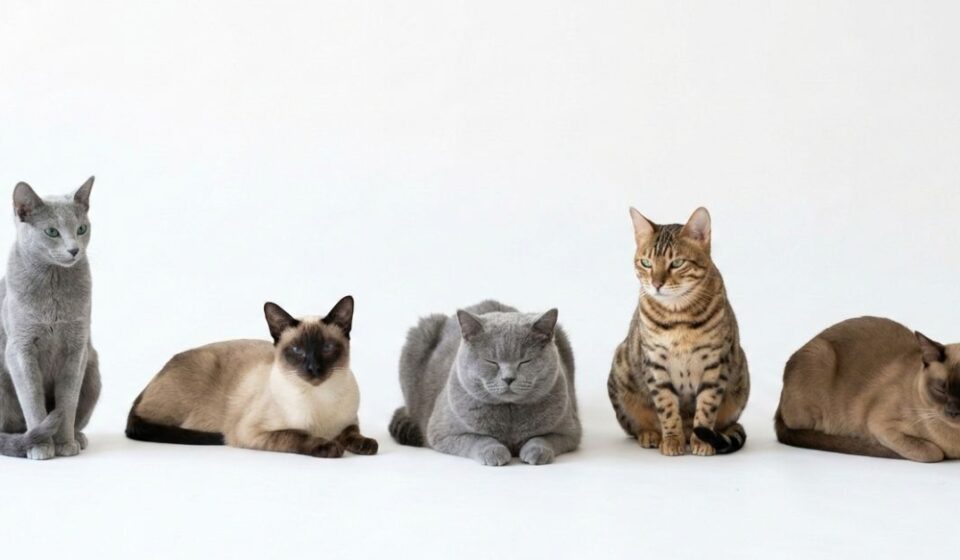

Modern life moves quickly. Long work hours, family commitments, and constant digital engagement leave little room for high maintenance pets. Yet the desire for companionship remains strong. Cats have long been admired for their independence, quiet nature, and ability to adapt to indoor environments. For many households, low maintenance cat breeds offer the ideal balance between affection and autonomy.
Unlike high energy or high grooming breeds, easy care cats thrive with moderate attention and consistent routines. Their ability to entertain themselves, tolerate time alone, and maintain manageable grooming needs makes them especially suitable for apartments and smaller homes. In urban environments across the United States, calm indoor cats are increasingly preferred by working professionals, students, and retirees alike.
Selecting the right cat breed can significantly influence long term satisfaction. Temperament, grooming requirements, shedding levels, health tendencies, and adaptability all matter. While individual personality varies, certain breeds consistently rank among the most reliable beginner cat breeds due to their steady temperament and manageable care requirements. The following guide provides detailed insights into low maintenance cat breeds that align well with busy lifestyles.
What Makes a Cat Low Maintenance
Before reviewing specific breeds, it is important to define what qualifies as low maintenance cat breeds.
Temperament and Independence
Independent cat breeds tend to tolerate solitude better than highly social breeds. They do not demand constant interaction and are comfortable resting during work hours.
Grooming Requirements
Short hair cats list candidates often dominate the low maintenance category. Short coats require minimal brushing compared to long coated breeds.
Activity Level
Calm indoor cats typically have moderate energy. They enjoy play sessions but are not destructive when stimulation is limited.
Health and Longevity
Breeds with fewer hereditary health concerns generally require less medical management. However, regular veterinary care remains essential for all cats.
Comparison of Key Traits
| Breed | Coat Type | Temperament | Grooming Needs | Best For |
|---|---|---|---|---|
| British Shorthair | Short | Calm and reserved | Low | Apartments and families |
| American Shorthair | Short | Friendly and adaptable | Low | Beginners |
| Russian Blue | Short | Quiet and loyal | Low | Professionals |
| Ragdoll | Semi long | Gentle and relaxed | Moderate | Calm households |
| Scottish Fold | Short | Affectionate and mild | Low | Indoor living |
| Burmese | Short | Social yet balanced | Low | Smaller homes |
| Exotic Shorthair | Short | Quiet and sweet | Moderate | Low energy owners |
| Chartreux | Short | Independent and observant | Low | Busy individuals |
| Maine Coon | Long | Gentle and adaptable | Moderate | Families |
| Persian | Long | Calm and quiet | High | Owners with grooming time |
The breeds below stand out as top selections for easy care cats and independent cat breeds.
British Shorthair
The British Shorthair is widely recognized for its calm temperament and plush short coat. This breed consistently ranks among the most recommended low maintenance cat breeds in the United States.
Personality Traits
British Shorthairs are composed and observant. They form strong bonds yet rarely demand constant attention. Their independence makes them suitable for busy professionals.
Grooming and Care
Their dense short coat requires weekly brushing. Shedding remains manageable, making them practical calm indoor cats.
Ideal Living Environment
They adapt well to apartment living and quieter homes.
American Shorthair
The American Shorthair is often recommended among beginner cat breeds due to its resilience and adaptability.
Strong and Balanced
Originally valued for rodent control, this breed developed sturdy health and moderate activity levels.
Low Grooming Needs
As part of the short hair cats list, brushing once a week is typically sufficient.
Adaptability
They tolerate children and other pets well, making them practical easy care cats for families.
Russian Blue
The Russian Blue combines elegance with independence.
Temperament
Quiet and loyal, Russian Blues bond closely with owners but remain self sufficient.
Maintenance
Their short, dense coat requires minimal grooming. Shedding levels are moderate and manageable.
Best Match
Ideal for single professionals seeking calm indoor cats that respect personal space.
Ragdoll
The Ragdoll is known for its relaxed and affectionate nature.
Gentle Disposition
Ragdolls often go limp when picked up, reflecting their relaxed temperament.
Grooming Needs
Although semi long haired, their coat resists matting. Weekly brushing is generally adequate.
Indoor Living
They thrive indoors and prefer quiet households.
Scottish Fold
The Scottish Fold stands out for its distinctive folded ears and mild personality.
Temperament
Calm and affectionate, they enjoy companionship without excessive demands.
Grooming
Short coated varieties require little maintenance.
Considerations
Potential owners should research health aspects carefully due to genetic factors linked to ear cartilage.
Burmese
The Burmese offers a balanced mix of playfulness and relaxation.
Personality
More social than some independent cat breeds, yet not overly vocal or demanding.
Care Requirements
Short coats make grooming simple. They adapt well to indoor lifestyles.
Exotic Shorthair
Often described as a short coated version of the Persian, the Exotic Shorthair provides similar charm with easier upkeep.
Temperament
Quiet, affectionate, and suitable for calm homes.
Maintenance
Brushing twice weekly typically manages shedding effectively.
Chartreux
The Chartreux is known for its silent demeanor and muscular build.
Independent Nature
They tolerate alone time well, ranking high among low maintenance cat breeds.
Grooming
Short coats require minimal brushing.
Maine Coon
The Maine Coon is one of the largest domesticated breeds.
Temperament
Despite size, Maine Coons are gentle and adaptable.
Grooming
Moderate grooming is required due to longer fur.
Persian
The Persian is among the calmest indoor breeds.
Quiet Presence
They prefer serene environments and minimal activity.
Grooming Commitment
Daily brushing is necessary. While calm, they require higher grooming attention than short haired breeds.
Benefits of Choosing Easy Care Cats
Reduced Stress
Independent cat breeds reduce pressure on busy owners.
Lower Grooming Demands
Short hair cats list breeds typically require less maintenance.
Indoor Compatibility
Calm indoor cats adjust well to limited outdoor access.
Suitable for Beginners
Many beginner cat breeds offer forgiving temperaments and resilience.
Key Considerations Before Adoption
Lifestyle Alignment
Work schedule, home size, and family dynamics influence breed suitability.
Veterinary Care
Routine preventive care remains essential regardless of breed classification.
Enrichment
Even low maintenance cat breeds require mental stimulation through toys and scratching posts.
Final Thoughts on Choosing the Right Companion
Selecting from low maintenance cat breeds offers a practical solution for individuals balancing demanding schedules with a desire for companionship. The right breed aligns with lifestyle, energy level, and grooming capacity. Calm indoor cats such as the British Shorthair and Russian Blue provide stability and quiet affection, while adaptable beginner cat breeds like the American Shorthair offer resilience and ease of care.
Independent cat breeds do not equate to emotional distance. Instead, they deliver companionship without excessive dependence. Thoughtful consideration of coat type, temperament, and household rhythm ensures long term satisfaction. With informed selection and consistent care, easy care cats enrich daily life with comfort, calm presence, and steady companionship suited for modern living.
Frequently Asked Questions
1. Which low maintenance cat breeds are best for apartments?
British Shorthair, Russian Blue, and Scottish Fold adapt particularly well to apartment living.
2. Are short hair cats always easier to care for?
Short hair cats list breeds generally require less grooming, though personality also affects maintenance.
3. Do independent cat breeds ignore their owners?
Independent cats bond strongly but do not require constant interaction.
4. Are Ragdolls good beginner cat breeds?
Yes, Ragdolls are gentle and predictable, making them suitable for first time owners.
5. Which calm indoor cats shed the least?
Russian Blue and American Shorthair are moderate shedders compared to long haired breeds.
6. Are Persian cats low maintenance?
Persians are calm but require significant grooming attention.
7. Do easy care cats require less veterinary attention?
All cats need routine care. Breed genetics may influence health tendencies.
8. What is the most adaptable beginner cat breed?
American Shorthair consistently ranks highly for adaptability.
9. Can low maintenance cat breeds stay alone all day?
Many tolerate workday absences, but enrichment is essential.
10. Are Maine Coons suitable for busy families?
Yes, though grooming needs are higher than short coated breeds.