
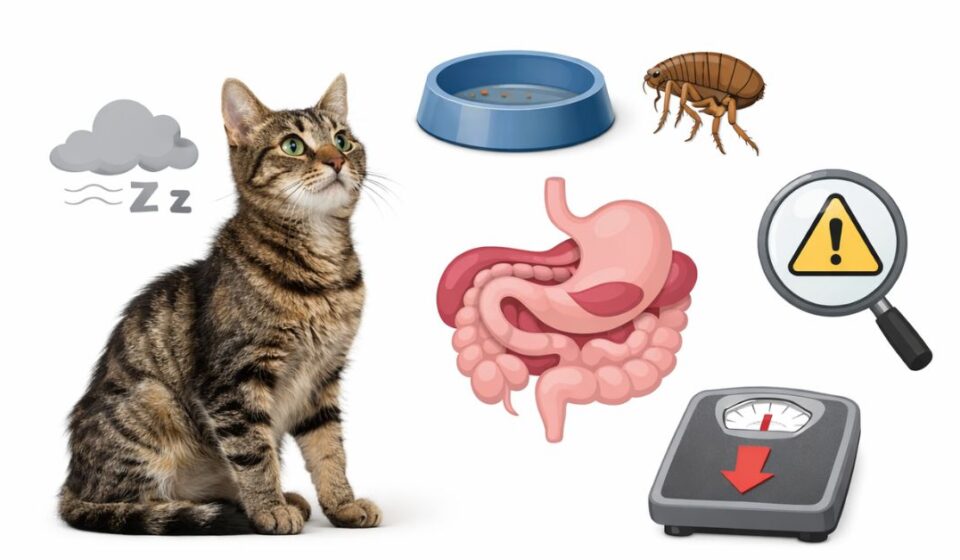

A once healthy cat that begins to look thinner within weeks often leaves owners unsettled. Subtle changes such as a more visible spine, looser collar fit, or reduced muscle tone can raise immediate concern. When a cat is losing weight suddenly, the shift rarely happens without an underlying reason. Feline bodies are resilient, yet they also mask illness exceptionally well. That ability to hide discomfort means weight loss may be one of the earliest visible clues that something is not right.
Unexplained weight loss in a cat is not merely a cosmetic issue. Body mass in felines reflects metabolic balance, organ function, digestive efficiency, and overall health. Even when appetite appears normal, internal changes may be quietly progressing. In many cases, sudden weight reduction is linked to hormonal imbalance, gastrointestinal disorders, dental disease, stress, or chronic systemic conditions.
Understanding why a cat is losing weight suddenly requires attention to behavioral patterns, appetite changes, litter box habits, and physical appearance. When recognized early, many causes can be addressed before complications escalate. The following sections examine the most common medical and non medical factors behind unexplained weight loss cat cases, along with practical insights into warning signs and preventive awareness.
What Sudden Weight Loss Really Means
Weight fluctuation in cats can occur gradually with aging. However, rapid or noticeable reduction in body mass is categorized differently. Veterinarians often consider a loss of more than five percent of body weight within a short period clinically significant.
Key Indicators of Sudden Weight Loss
- Prominent ribs, hips, or spine
- Reduced muscle mass around shoulders and thighs
- Dull coat texture
- Decreased energy levels
- Increased vocalization or restlessness
In some situations, appetite loss in cats accompanies the weight change. In others, a cat may continue eating but still lose weight. The distinction between eating normally and losing weight versus eating less is critical in identifying root causes.
Hyperthyroidism in Cats
One of the most common medical explanations for a cat losing weight suddenly is hyperthyroidism. This endocrine disorder occurs when the thyroid glands produce excessive thyroid hormones, accelerating metabolism.
Hyperthyroidism Cats Symptoms
Hyperthyroidism cats symptoms frequently include:
- Increased appetite alongside weight loss
- Excessive thirst
- Frequent urination
- Hyperactivity or agitation
- Vomiting or diarrhea
- Poor coat quality
The paradox of eating more while losing weight is a hallmark of hyperthyroidism. The overactive thyroid causes the body to burn energy rapidly, preventing normal weight maintenance.
This condition is more prevalent in senior cats and is considered one of the leading causes of unexplained weight loss cat cases in older felines.
Diabetes Mellitus
Feline diabetes is another serious health condition associated with sudden weight reduction. When insulin regulation becomes impaired, the body cannot properly use glucose for energy. As a result, fat and muscle tissue break down to compensate.
Common Signs of Diabetes in Cats
- Increased thirst
- Increased urination
- Noticeable weight loss
- Lethargy
- Changes in appetite
In some cases, appetite remains strong despite ongoing weight decline. Diabetes can progress quickly, making early detection essential.
Digestive Disorders and Malabsorption
If a cat consumes regular meals yet continues to lose weight, digestive dysfunction may be responsible. Gastrointestinal conditions can interfere with nutrient absorption.
Inflammatory Bowel Disease
Inflammatory bowel disease causes chronic inflammation in the digestive tract, limiting nutrient uptake. Cats may experience:
- Chronic diarrhea
- Intermittent vomiting
- Reduced appetite
- Gradual weight loss
Intestinal Parasites
Parasites such as roundworms or tapeworms compete for nutrients within the digestive tract. While more common in kittens, adult cats can also be affected. Sudden weight loss, bloating, or visible worms in stool may occur.
Dental Disease and Appetite Changes
Oral discomfort is often overlooked in discussions about appetite loss in cats. Dental pain can cause a cat to avoid eating even if hunger remains.
Dental Related Sick Cat Signs
- Drooling
- Pawing at the mouth
- Bad breath
- Dropping food while chewing
- Preference for softer food
Cats instinctively hide oral pain. Subtle reduction in food intake may gradually lead to noticeable weight decline.
Kidney Disease
Chronic kidney disease is common in aging cats. Early symptoms may be mild, but unexplained weight loss cat cases frequently involve renal issues.
Cat Health Warning Signs Linked to Kidney Disease
- Increased water consumption
- Increased urination
- Decreased appetite
- Nausea or vomiting
- Muscle wasting
Kidney dysfunction affects nutrient processing and can suppress appetite, leading to progressive weight reduction.
Cancer and Systemic Illness
Weight loss is a common systemic response to chronic illness, including cancer. Tumors alter metabolism and often suppress appetite. In some cases, visible signs may not appear until weight loss becomes pronounced.
Subtle Indicators
- Persistent fatigue
- Lumps or swelling
- Changes in grooming habits
- Behavioral withdrawal
While weight loss alone does not confirm malignancy, it warrants attention when combined with other sick cat signs.
Stress and Environmental Factors
Not all cases of a cat losing weight suddenly stem from disease. Environmental disruption can significantly impact feline behavior and appetite.
Common Stress Triggers
- Moving to a new home
- Introduction of another pet
- Change in feeding schedule
- Loud household activity
- Litter box changes
Cats are highly sensitive to routine shifts. Stress can suppress appetite, leading to appetite loss in cats even in the absence of medical illness.
Aging and Muscle Loss
Senior cats often experience sarcopenia, which refers to age related muscle loss. This condition differs from fat loss and can create a thinner appearance despite consistent eating.
Distinguishing Normal Aging From Illness
| Feature | Normal Aging | Concerning Weight Loss |
|---|---|---|
| Appetite | Stable | Decreased or increased abnormally |
| Energy | Slightly reduced | Markedly lethargic |
| Muscle Tone | Mild decline | Rapid muscle wasting |
| Behavior | Consistent personality | Behavioral changes |
When muscle loss occurs without appetite change, veterinary evaluation is still advisable to rule out systemic disease.
Liver Disease
The liver plays a central role in metabolism and detoxification. Liver disorders can lead to nausea, appetite suppression, and rapid weight reduction.
Signs of Liver Dysfunction
- Yellowing of eyes or gums
- Vomiting
- Weakness
- Reduced appetite
- Behavioral changes
Liver related unexplained weight loss cat scenarios require immediate professional attention due to potential complications.
Food Quality and Nutritional Imbalance
Diet composition directly influences body weight. Poor quality food lacking adequate protein may cause muscle loss over time.
Nutritional Considerations
- Protein rich diets support lean mass
- Senior cats require tailored nutrition
- Sudden diet change may disrupt digestion
When a cat refuses new food, appetite loss in cats may follow, leading to weight reduction within weeks.
How Fast Is Too Fast?
A safe weight change in cats typically occurs gradually. Rapid decline over two to four weeks is considered concerning.
Concerning Timeline
- Five percent body weight loss within one month
- Visible skeletal prominence
- Ongoing weight drop despite normal eating
Early veterinary assessment is essential when these patterns appear.
Monitoring Weight at Home
Routine observation helps detect early cat health warning signs.
Practical Monitoring Methods
- Weigh the cat monthly using a digital scale
- Track appetite changes
- Observe litter box frequency
- Assess coat quality
Maintaining records helps identify patterns and accelerates diagnosis when necessary.
When Immediate Attention Is Necessary
Certain combinations of symptoms require urgent evaluation:
- Weight loss plus vomiting
- Weight loss plus extreme thirst
- Weight loss plus lethargy
- Refusal to eat for more than twenty four hours
Cats can develop hepatic lipidosis when they stop eating for extended periods. This condition can become life threatening if not addressed quickly.
Summary of Major Causes
| Condition | Appetite Pattern | Other Symptoms | Risk Level |
|---|---|---|---|
| Hyperthyroidism | Increased | Hyperactivity, thirst | High |
| Diabetes | Increased or variable | Excess urination | High |
| Kidney Disease | Decreased | Thirst, lethargy | High |
| Digestive Disorders | Variable | Vomiting, diarrhea | Moderate |
| Dental Disease | Decreased | Oral discomfort | Moderate |
| Stress | Decreased | Behavioral shifts | Mild to moderate |
| Cancer | Decreased | Fatigue, lumps | High |
Preventive Awareness
Regular wellness exams remain the most effective safeguard against serious feline illness. Bloodwork and routine screenings often detect early changes before visible weight decline occurs.
Balanced nutrition, stable routines, and environmental enrichment reduce stress induced appetite loss in cats. Monitoring hydration and litter box habits also helps detect kidney or metabolic concerns early.
Final Thoughts
A cat losing weight suddenly is rarely a random occurrence. The feline body communicates distress subtly, and weight change often serves as one of the earliest outward signals. Whether linked to hyperthyroidism, kidney dysfunction, digestive disorders, diabetes, stress, or dental pain, unexplained weight loss cat cases demand attentive observation.
Body mass reflects more than appearance. It mirrors metabolic stability, organ health, and nutritional balance. Rapid or progressive decline can indicate internal processes that require timely assessment. Recognizing appetite loss in cats, monitoring behavioral changes, and identifying cat health warning signs improve the likelihood of early detection and intervention.
Proactive awareness remains essential. When weight change occurs alongside thirst shifts, litter box changes, vomiting, or lethargy, prompt evaluation becomes critical. Even in milder scenarios, consistent monitoring safeguards long term feline health. Sustained vigilance ensures that subtle signs do not evolve into severe complications, preserving vitality and quality of life for years to come.
FAQs
1. Why is a cat losing weight suddenly but still eating normally?
Hyperthyroidism and diabetes are common causes of weight loss despite increased appetite. Accelerated metabolism prevents normal weight retention.
2. Is unexplained weight loss cat cases always serious?
Not always, but sudden or rapid weight loss often indicates an underlying medical issue requiring evaluation.
3. What are early hyperthyroidism cats symptoms?
Increased appetite, hyperactivity, excessive thirst, and noticeable weight loss are typical early signs.
4. Can stress cause appetite loss in cats?
Yes. Environmental changes or anxiety can suppress appetite and lead to measurable weight decline.
5. How much weight loss is concerning?
Loss exceeding five percent of body weight within one month is considered clinically significant.
6. Do indoor cats get parasites?
Yes. Although less common, indoor cats can still develop intestinal parasites.
7. Are older cats more prone to sudden weight loss?
Yes. Senior cats face higher risk of kidney disease, hyperthyroidism, and muscle wasting.
8. Can dental issues cause weight loss?
Oral pain can reduce food intake, leading to gradual or sudden weight decline.
9. Should water intake changes be monitored?
Yes. Increased thirst combined with weight loss may indicate kidney disease or diabetes.
10. What are the most urgent sick cat signs?
Refusal to eat, persistent vomiting, extreme lethargy, or rapid weight decline require prompt evaluation.