
When a Cat Opens Its Mouth to Breathe, Something Is Wrong
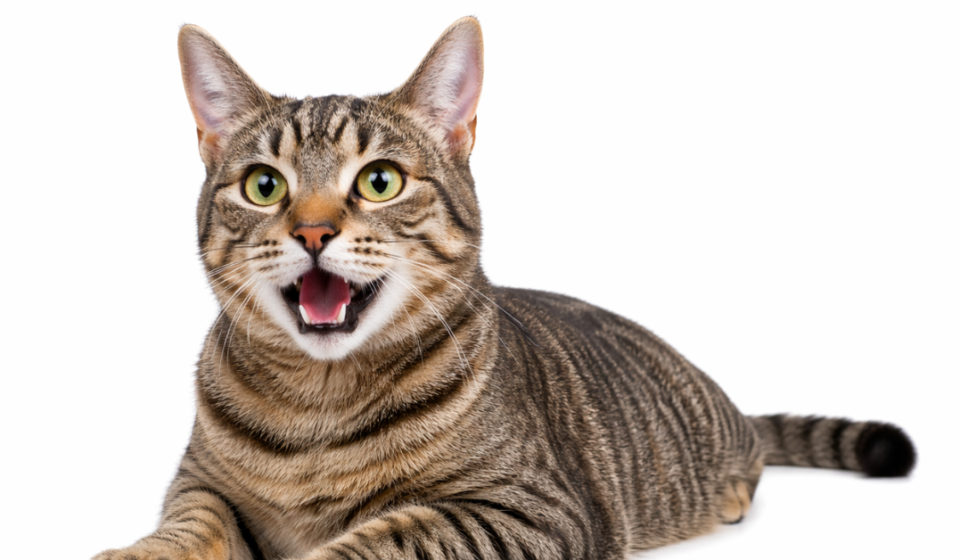
There is a moment that stops every cat owner cold. The cat is sitting quietly, not running, not playing, not stressed from a car ride, and yet its mouth is open and it is visibly working to pull in air. For dog owners, this might look like ordinary panting. For anyone who lives with a cat, however, something about that sight feels immediately and deeply wrong. That instinct is correct.
Cats are what veterinary professionals call obligate nasal breathers. Under normal, healthy conditions, a cat breathes entirely through its nose. The feline respiratory system is designed with this in mind, and a healthy cat at rest has no reason to recruit its mouth as a secondary breathing tool. Open-mouth breathing in cats is rarely considered normal, since cats are obligate nasal breathers, which means they rely almost entirely on breathing through their noses. When a cat does begin breathing through its mouth, it is almost always a signal that the body is no longer getting enough oxygen through its usual pathway, and that is a situation that demands immediate attention.
Understanding what causes this behavior, how to read the accompanying warning signs, and how to respond quickly and effectively could genuinely save a cat’s life. Cats are excellent at hiding when they are struggling, so if they are visibly in distress, breathing fast, panting, or breathing heavily, it is because something is wrong and they could be at risk of respiratory failure. This is precisely why open-mouth breathing in cats should never be treated as a wait-and-see situation.
Cats and Breathing: What Normal Looks Like
The Basics of Feline Respiration
Before diving into what goes wrong, it helps to understand what healthy breathing looks like in a cat. A normal breathing rate for cats at rest should be around 15 to 30 breaths per minute. Cats should breathe with their mouths closed and without their nostrils flaring, their abdomen moving, or making noise. A calm, healthy cat breathes quietly, smoothly, and invisibly. The chest rises and falls in a relaxed, steady rhythm. There is no sound, no visible strain, and no involvement of the mouth at all.
Healthy cats breathe 20 to 30 times per minute at rest. Sleeping cats might drop to 15 to 20 breaths per minute. Anything consistently above 30 at rest warrants closer monitoring. Counting a cat’s resting breaths is one of the simplest and most valuable health checks a cat owner can perform at home. It takes thirty seconds, requires no equipment, and can serve as an early warning system for respiratory problems before they become emergencies.
The Flehmen Response: A Common Misread
Not every open-mouth moment is a medical crisis. A common source of alarm occurs when a cat opens its mouth slightly, curls its upper lip, and holds a brief frozen expression. This is the Flehmen response, where the cat is using its vomeronasal organ to analyze a scent, not struggling to breathe. The key distinction is that the Flehmen response lasts 2 to 5 seconds, produces no sound, no heaving, and the cat resumes normal behavior immediately. Recognizing this behavioral quirk prevents unnecessary panic while keeping awareness sharp for situations that genuinely require urgency.
When Open-Mouth Breathing Can Be Briefly Normal
There are a small number of situations where a cat may breathe with its mouth open temporarily and without underlying illness being the cause.
After intense play or exertion, a cat may briefly pant, but that should settle within minutes. During extreme heat, cats may pant to try to cool down, and in stressful situations, sudden noises or scary situations can cause open-mouth breathing in cats, but this too should come to an end quickly.
Mild cases of cat panting typically happen after intense physical activity or during stressful situations. The panting should stop within minutes once a cat rests or calms down, with gums remaining pink and breathing returning to normal quickly. The critical distinction here is duration and context. If a cat just chased a toy around the apartment for ten minutes and pants briefly before settling down with pink gums and calm eyes, that is likely not a medical concern. If a cat that has been resting quietly suddenly begins breathing through its mouth for no apparent reason, that is something entirely different.
The Medical Causes That Make This an Emergency
Heart Disease and Fluid Around the Lungs
Common causes of heavy breathing in cats include asthma, heart failure, and fluid buildup around the lungs. These three conditions represent the most frequently seen culprits in feline respiratory emergencies, and each one is serious in its own right.
Hypertrophic cardiomyopathy, the most common heart disease in cats, can cause fluids to build up around the lungs and impede the oxygen exchange, making it difficult for cats to breathe. Heart disease affects 15 percent of cats, often causing fluid accumulation in or around the lungs, and breathing quickens as the cat works harder to oxygenate blood through compromised circulation. Hypertrophic cardiomyopathy, the most common feline heart condition, might show no symptoms until sudden respiratory distress occurs. This is one of the most alarming aspects of feline cardiac disease. A cat can appear completely healthy right up until the moment a crisis begins.
Feline Asthma
Feline asthma is the most common cause of breathing difficulties in cats, with severe inflammation and narrowing of the airway. Asthma can be triggered by strong smells, smoke, pollen, and even dusty cat litter. Feline asthma affects 1 to 5 percent of cats, triggering breathing difficulties similar to human asthma attacks. Environmental allergens, stress, or respiratory infections provoke episodes. During an asthma attack, a cat may crouch low to the ground, extend its neck forward, and breathe with a wheezing or hacking sound. The episode can pass on its own or escalate rapidly into a life-threatening situation.
Respiratory Infections
Cat respiratory infections can progress from mild to severe within 24 to 48 hours, especially in kittens, senior cats, or those with weakened immune systems. What starts as occasional sneezing can quickly develop into labored breathing or refusal to eat. Upper respiratory infections cause congestion, forcing mouth breathing when nasal passages become blocked, and while usually manageable, severe infections can progress to pneumonia without treatment.
Pleural Effusion
Pleural effusion is an abnormal amount of fluid around the lungs. This fluid buildup causes pressure on the lungs as well as a decrease in the space available for the lungs to fill with oxygen. This condition can develop as a complication of heart disease, infection, or cancer, and it is one of the more dramatic causes of sudden respiratory distress in cats.
Additional Causes Worth Knowing
Potential sources of troubled breathing range widely and include foreign bodies in the nasal passages, congestive heart failure, lung tumors or other serious pulmonary disorders, excessive stomach fluid, chest injuries, viral diseases, and foreign objects that have become lodged in the windpipe.
Heartworm disease in cats can be quite serious. When a heartworm dies inside a cat, the cat may have an exaggerated response to the dead worm, and some cats go into sudden respiratory distress, which can cause panting, difficulty breathing, collapse, and death. Anemia is another cause, as reduced red blood cell counts mean the body is working harder to deliver oxygen to tissues, prompting the cat to breathe faster and sometimes through the mouth.
Key Facts About Cat Open-Mouth Breathing
| Condition | How Common | Primary Effect on Breathing |
|---|---|---|
| Feline Asthma | 1 to 5% of cats | Airway narrowing, wheezing, open-mouth episodes |
| Heart Disease (HCM) | Up to 15% of cats | Fluid buildup, labored breathing |
| Pleural Effusion | Common complication | Fluid pressure on lungs |
| Upper Respiratory Infection | Very common | Nasal blockage forces mouth breathing |
| Heartworm Disease | Less common but severe | Sudden respiratory collapse |
| Heatstroke | Situational | Panting as failed cooling effort |
Reading the Warning Signs Carefully
The Gum Color Test
One of the most reliable indicators of how serious a cat’s breathing difficulty is can be found by looking at the color of its gums. Pink gums indicate adequate oxygenation. Pale, white, blue, or grey gums indicate an oxygen deficit, and a cat with gums of those colors requires emergency veterinary care immediately. This simple check takes seconds and provides critical information about whether a cat’s tissues are receiving enough oxygen to function.
Body Posture as a Signal
Cats showing flaring nostrils, visible chest or stomach effort when breathing, or sitting in a hunched position with the neck extended need help. Panting combined with the neck stretched forward and elbows flared outward is called orthopneic posture, which is the classic sign of severe respiratory distress and cardiac crisis in cats. When a cat takes this position, it is actively working to maximize airway space and the urgency of the situation cannot be overstated.
Additional Red Flags to Watch For
Additional symptoms make the situation more urgent. Coughing, low energy, hiding, poor appetite, or unusual body postures alongside panting indicate a potentially serious condition. Thick yellow or green discharge from the nose or eyes suggests a bacterial infection has developed, while extreme low energy and complete refusal to eat for more than 24 hours are all emergency situations requiring prompt professional care.
What to Do When a Cat Breathes With Its Mouth Open
Step One: Assess the Situation Quickly
The very first thing to do is observe without panicking. Note whether the breathing started suddenly or gradually. Consider whether the cat just finished playing, was exposed to heat, had a stressful event, or has simply been sitting quietly. Check the color of the gums. Count breaths per minute if possible. These observations will be useful information to share with a veterinarian.
Step Two: Call a Veterinarian Without Delay
Calling a veterinary hospital right away is essential if a cat is panting with an open mouth, especially if it persists or comes with other symptoms. Describing the cat’s breathing pattern, gum color, and any additional symptoms helps the veterinary team understand the urgency. Any time there is a question about an animal’s ability to breathe comfortably, getting it to a veterinarian right away is strongly advised, and attempting to resolve the difficulty at home is discouraged because there are too many things that can cause respiratory distress.
Step Three: Keep the Cat Calm and Minimize Stress
Placing the cat in a secure carrier with good ventilation is important. Keeping the environment quiet and avoiding sudden movements that might further stress the cat is essential. If it is hot, ensuring the car is cool before placing the cat inside helps. A cat that is already struggling to breathe can deteriorate faster when placed under additional stress. Moving calmly and deliberately, speaking softly, and avoiding unnecessary handling during transport can make a real difference.
Step Four: Do Not Attempt Home Treatments
Attempting to address a cat’s respiratory distress at home without veterinary guidance is not only ineffective but potentially dangerous. Heavy breathing in cats is a medical emergency that requires immediate veterinary attention. Time spent trying home remedies is time not spent getting the cat the professional care it needs.
What Veterinarians Do to Help
Once a cat reaches the clinic, the veterinary team will move quickly to stabilize the animal and identify the underlying cause. A cat may be given intravenous fluids and medications and may be placed in an oxygen chamber to help increase the amount of oxygen being breathed. Treatment from that point depends on the diagnosis. If it is asthma, treatment typically involves medications that cause the airways to dilate. If it is pleural effusion, a needle is usually used to drain the fluid around the lungs that is causing the troubled breathing.
Cats with asthma may be managed with an inhaler attached to an asthma aerosol chamber. Pneumonia is usually treated with antibiotics. A cat experiencing immune-mediated destruction of red blood cells may need blood transfusions and immunosuppressive medications. Diagnosis typically involves imaging such as chest X-rays and ultrasound, along with blood work, to give the veterinary team a clear picture of what is happening inside the cat’s body.
Age, Breed, and Risk Factors
Brief panting after play is more common in kittens due to high-energy activity levels. Senior cats aged 8 and older who begin panting should be considered cardiac or pulmonary suspects until proven otherwise, as the incidence of hypertrophic cardiomyopathy and congestive heart failure rises significantly with age. Any new-onset panting in a senior cat warrants a cardiac workup, not watchful waiting.
Certain breeds, including Maine Coons, Ragdolls, and British Shorthairs, carry a higher genetic predisposition to hypertrophic cardiomyopathy. Flat-faced breeds such as Persians and Exotic Shorthairs are at increased risk for upper airway obstruction due to their facial structure. For these cats, any sign of open-mouth breathing warrants an even faster response than it would for cats without these predispositions.
Monitoring a Cat’s Breathing at Home
One of the most proactive steps a cat owner can take is learning to count and track resting respiratory rate at home. This takes less than a minute. With the cat resting comfortably and undisturbed, count how many times the chest rises and falls in 30 seconds, then double that number to get breaths per minute. Anything consistently above 30 at rest warrants closer monitoring. Keeping a simple log of these readings over time can help a veterinarian identify trends and catch early signs of heart or lung disease before a crisis develops.
Preventing Respiratory Emergencies in Cats
While not all causes of feline breathing difficulties are preventable, there are meaningful steps every cat owner can take to reduce risk. Keeping a cat indoors protects against respiratory infections, parasites like heartworm, physical trauma, and toxic environmental exposure. Keeping a cat on year-round heartworm prevention and up to date on vaccinations can reduce the risk of developing conditions that cause panting. Switching to low-dust cat litter and avoiding the use of aerosol sprays, scented candles, or smoke around a cat can help reduce the frequency of asthma attacks. Regular veterinary checkups, ideally twice a year for cats over seven, allow for early detection of heart disease and other conditions before symptoms become acute.
A Closing Word Every Cat Owner Should Hold Onto
Cats are masters of concealment. They evolved as both predator and prey, which means showing weakness has never been part of their survival strategy. By the time a cat is visibly struggling to breathe, with its mouth open, its posture strained, and its gums fading from healthy pink, it has already been working against that difficulty for longer than most owners realize.
This is the reality of feline respiratory distress, and it is why open-mouth breathing in a cat must always be treated as an urgent matter rather than a curiosity. It is not something to photograph for social media, observe from a distance while hoping things improve, or address with home care. It is a signal that demands a phone call to a veterinarian within minutes of being noticed.
The encouraging truth is that many cats who receive prompt veterinary attention for respiratory emergencies recover well. Asthma can be managed long term. Pleural effusion can be drained. Heart disease can be treated with medication that gives cats more quality time. The outcomes are far better when action is taken early. A cat that seems slightly off today can be in genuine crisis by morning if the underlying cause goes unaddressed. Paying close attention, knowing what normal looks like, and responding without hesitation when something changes are among the most powerful things a cat owner can do for the animal in their care.
Frequently Asked Questions
Q1. Is it ever normal for a cat to breathe with its mouth open?
Very briefly, yes. After intense play, during a stressful event like a car ride, or in extreme heat, a cat may open its mouth to breathe temporarily. This should resolve within a few minutes. Any open-mouth breathing that persists beyond that, or that occurs while the cat is resting, is not normal and should be evaluated by a veterinarian.
Q2. How can gum color tell if a cat is in respiratory distress?
Pink gums indicate adequate oxygenation. Pale, white, blue, or grey gums indicate an oxygen deficit, and a cat showing those gum colors needs emergency veterinary care immediately.
Q3. What is the normal resting breathing rate for a cat?
A normal breathing rate for cats at rest should be around 15 to 30 breaths per minute. Consistently counting above 30 breaths per minute while a cat is resting calmly warrants a veterinary call.
Q4. Can stress alone cause a cat to breathe with its mouth open?
Yes, in the short term. Sudden fright, an unfamiliar environment, or a stressful event can temporarily trigger open-mouth breathing. However, car-related panting should resolve within 10 to 15 minutes of arriving at the destination and the cat settling. If it does not, a medical cause should be investigated.
Q5. What is orthopneic posture and why does it matter?
Panting combined with the neck stretched forward and elbows flared outward is called orthopneic posture, and it is the classic sign of severe respiratory distress and cardiac crisis in cats. Seeing a cat hold this position is a strong indicator of an immediate emergency.
Q6. Are older cats more at risk for breathing problems?
Yes. Senior cats aged 8 and older who begin panting should be considered cardiac or pulmonary suspects until proven otherwise, as the incidence of hypertrophic cardiomyopathy and congestive heart failure rises significantly with age.
Q7. What should be brought to the vet during a breathing emergency?
Bring any medications the cat is currently taking, information about what the cat may have been exposed to, and a note of when the breathing change first began. If the cat has a known health condition, bringing those records can speed up the diagnostic process significantly.
Q8. Can feline asthma be managed long term at home?
Yes, with proper veterinary guidance. Cats with asthma may be managed with an inhaler attached to an asthma aerosol chamber. Reducing environmental triggers such as aerosol sprays, scented products, smoke, and dusty litter also plays a significant role in managing the condition.
Q9. What does fluid around a cat’s lungs feel like from the outside?
Pleural effusion typically cannot be felt from outside the body. Signs that point to it include progressively worsening breathlessness, a cat that refuses to lie down flat, increased effort when breathing, and sometimes a dull, muffled quality to sounds in the chest. Diagnosis requires imaging.
Q10. How can a cat owner monitor breathing at home between vet visits?
Counting breaths per minute while the cat is sleeping or resting is the most reliable home monitoring method. Count breaths for 30 seconds and double the number, with each inhale and exhale combination counting as one breath. Keeping a simple log of this reading over time can help detect gradual changes that might otherwise go unnoticed.