
Kidney disease in cats develops quietly. By the time visible symptoms appear, significant damage may already exist. This gradual progression makes early detection essential, especially in aging felines. Subtle shifts in drinking habits, appetite, or litter box behavior often provide the first indication that something is wrong.
Feline renal disease ranks among the most common senior cat health issues in the United States. According to veterinary studies, chronic kidney disease affects a significant percentage of cats over the age of ten. As lifespan increases due to improved nutrition and indoor living, kidney related conditions continue to rise. Many cat owners assume that slowing down or eating less is simply part of aging. In reality, these may represent early signs of kidney disease in cats.
Awareness changes outcomes. Recognizing the earliest physical and behavioral clues allows timely veterinary evaluation and supportive care. While kidney damage cannot typically be reversed, early intervention can slow progression and preserve quality of life. Understanding cat kidney failure symptoms, common risk factors, and when to see vet cat becomes critical for long term feline wellness.
The Role of Kidneys in Feline Health
The kidneys perform complex and essential tasks within a cat’s body. They filter waste products from the bloodstream, regulate hydration, balance electrolytes, manage blood pressure, and support red blood cell production. When these functions decline, systemic effects quickly follow.
Cats are biologically predisposed to kidney strain. Descended from desert dwelling ancestors, domestic cats evolved to conserve water efficiently. This adaptation means that subtle dehydration can place additional stress on renal tissue over time. High protein diets, environmental toxins, and age related cellular wear further contribute to vulnerability.
Chronic kidney disease differs from acute kidney injury. Chronic forms develop slowly over months or years. Acute injury may occur suddenly due to toxins or severe illness. Most early signs of kidney disease in cats relate to the chronic form, which progresses gradually and often without dramatic warning.
Why Early Detection Matters
Renal tissue does not regenerate once significantly damaged. Clinical signs often appear only after approximately two thirds of kidney function has been compromised. This delay is why early identification of minor changes holds substantial value.
Veterinary research indicates that earlier diagnosis correlates with improved survival time and better symptom management. Monitoring senior cat health issues through routine examinations and blood testing helps identify abnormalities before severe complications arise.
Behavioral observation at home plays an equally important role. Owners frequently notice increased water intake or litter box changes long before laboratory tests confirm renal decline.
Subtle but Significant: Early Signs of Kidney Disease in Cats
Increased Thirst and Urination
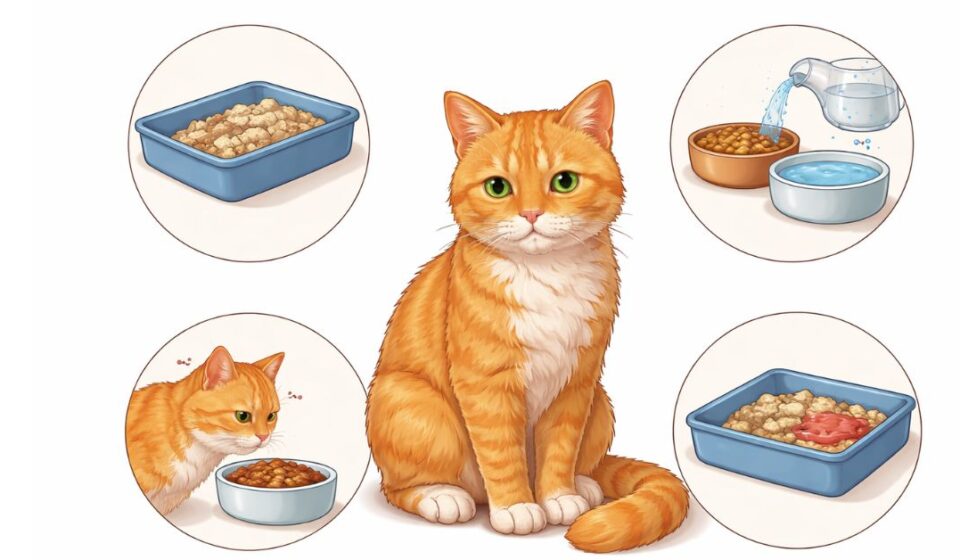
One of the most recognized early signs of kidney disease in cats is increased water consumption. As kidney function declines, the body struggles to concentrate urine. Excess water is lost through dilute urine, leading to compensatory thirst.
Cat excessive thirst causes vary and may include diabetes or hyperthyroidism. However, persistent increases in drinking and urination warrant evaluation for feline renal disease.
Common observations include:
- Refilling the water bowl more frequently
- Larger or more frequent urine clumps in litter
- Drinking from unusual sources such as sinks or bathtubs
Gradual Weight Loss
Weight loss often develops slowly and may be overlooked in long haired breeds. Reduced kidney function affects nutrient absorption and muscle maintenance. Appetite may fluctuate during early stages.
Monitoring body condition monthly can help detect subtle decline. Even small weight changes in senior cats should not be dismissed as normal aging.
Decreased Appetite
Kidney dysfunction leads to toxin accumulation in the bloodstream. These metabolic waste products can cause nausea and reduced appetite. Early appetite loss may appear inconsistent rather than complete refusal to eat.
Owners may notice that a cat sniffs food but walks away or prefers softer textures.
Dull Coat and Reduced Grooming
Healthy cats groom regularly. As discomfort increases, grooming behavior may decline. The coat may appear unkempt, dry, or matted.
Changes in coat quality often accompany other early signs of kidney disease in cats and should prompt closer observation.
Mild Lethargy
Reduced energy levels can indicate multiple health conditions. In kidney disease, toxin buildup contributes to fatigue. A previously active cat may sleep more or avoid interactive play.
Subtle Behavior Changes
Cats experiencing internal discomfort may withdraw, hide, or display irritability. Behavioral shifts can be early indicators before obvious physical symptoms emerge.
Advanced Cat Kidney Failure Symptoms
When early signs are missed, symptoms may intensify.
Vomiting and Nausea
Accumulated toxins irritate the gastrointestinal tract. Recurrent vomiting, drooling, or lip licking may appear.
Bad Breath with Chemical Odor
Uremic toxins can produce a distinct ammonia like odor in the breath. This sign suggests more advanced renal compromise.
Dehydration
Despite drinking more, affected cats often become dehydrated due to fluid loss through urine. Skin elasticity may decrease, and gums may feel dry.
Anemia and Weakness
Kidneys help stimulate red blood cell production. Decline can result in anemia, leading to pale gums and weakness.
Recognizing early signs before these advanced cat kidney failure symptoms develop significantly improves management potential.
Risk Factors for Feline Renal Disease
Certain cats face increased vulnerability.
Age
Chronic kidney disease primarily affects cats over seven years old. Incidence increases sharply after ten years.
Breed Predisposition
Some purebred cats demonstrate higher rates of inherited renal disorders. Regular screening is essential in these populations.
Chronic Dental Disease
Oral infections may contribute to systemic inflammation and kidney stress.
Environmental Toxins
Exposure to certain plants, chemicals, or contaminated food can damage renal tissue.
Dehydration
Low water intake over time may increase strain on the kidneys.
Understanding these risk factors supports earlier awareness of potential early signs of kidney disease in cats.
Distinguishing Kidney Disease from Other Conditions
Several conditions share overlapping symptoms.
| Symptom | Kidney Disease | Diabetes | Hyperthyroidism |
|---|---|---|---|
| Increased thirst | Common | Common | Possible |
| Weight loss | Gradual | Gradual | Often rapid |
| Increased appetite | Uncommon | Possible | Common |
| Vomiting | Common in later stages | Less common | Possible |
| Behavioral changes | Subtle withdrawal | Variable | Restlessness |
Because symptoms overlap, laboratory testing remains necessary for accurate diagnosis.
When to See Vet Cat
Prompt veterinary evaluation becomes essential if any of the following persist:
Persistent Increased Thirst
Drinking noticeably more water for more than a few days warrants examination.
Repeated Vomiting
Occasional hairball episodes differ from frequent vomiting associated with systemic illness.
Unexplained Weight Loss
Even small but consistent decline requires attention.
Litter Box Changes
Significant increases in urine volume or frequency should never be ignored.
Age Related Screening
Cats over seven years benefit from annual blood and urine analysis to monitor kidney markers.
Determining when to see vet cat can mean the difference between early supportive care and late stage crisis management.
Diagnostic Tools Used by Veterinarians
Veterinary professionals rely on several diagnostic methods.
Blood Chemistry Panel
Measures creatinine and blood urea nitrogen levels, which increase when kidney filtration declines.
SDMA Testing
Symmetric dimethylarginine detects kidney dysfunction earlier than traditional markers.
Urinalysis
Evaluates urine concentration and protein levels.
Blood Pressure Measurement
Hypertension frequently accompanies feline renal disease.
These tests collectively confirm the presence and stage of kidney disease.
Stages of Chronic Kidney Disease
Veterinarians classify disease progression using established staging guidelines.
Stage One
Minimal laboratory changes with no clinical symptoms.
Stage Two
Mild increases in kidney markers with subtle clinical signs.
Stage Three
Moderate kidney dysfunction with visible symptoms such as weight loss and vomiting.
Stage Four
Severe renal impairment with significant systemic effects.
Early identification during stage one or two improves long term outcomes.
Supporting Senior Cat Health Issues
Although kidney damage cannot typically be reversed, supportive strategies help maintain comfort and stability.
Hydration Support
Encouraging adequate water intake through fresh water sources and moisture rich food supports kidney function.
Nutritional Management
Prescription renal diets are formulated to reduce phosphorus and manage protein levels under veterinary guidance.
Routine Monitoring
Frequent laboratory testing tracks disease progression and treatment response.
Environmental Comfort
Providing easy access to litter boxes, quiet resting areas, and stress free surroundings enhances quality of life.
Addressing senior cat health issues holistically ensures comprehensive care beyond kidney function alone.
Prevention and Risk Reduction
While not all kidney disease is preventable, certain measures reduce risk.
Regular Veterinary Examinations
Annual checkups allow early laboratory screening.
Dental Care
Maintaining oral health may reduce systemic inflammatory burden.
Adequate Hydration
Multiple water stations and clean bowls encourage fluid intake.
Safe Environment
Preventing exposure to toxic substances protects renal tissue.
Proactive care significantly increases the likelihood of detecting early signs of kidney disease in cats before irreversible damage progresses.
Emotional Impact on Owners
A diagnosis of feline renal disease can feel overwhelming. Chronic conditions require ongoing management and observation. However, many cats live comfortably for years with appropriate veterinary oversight.
Awareness empowers responsible decision making. Monitoring daily habits, scheduling routine examinations, and responding quickly to changes all contribute to improved outcomes.
Closing Thoughts on Protecting Feline Kidney Health
Kidney disease remains one of the most common and impactful health challenges affecting aging cats. Its quiet progression underscores the importance of vigilance. Early signs of kidney disease in cats rarely appear dramatic, yet they provide critical warnings. Increased thirst, gradual weight loss, and mild lethargy often precede serious complications.
Timely recognition transforms outcomes. With appropriate veterinary assessment and supportive management, many cats maintain comfort and stable health for extended periods. Monitoring daily habits, maintaining routine examinations, and responding swiftly to subtle changes represent the strongest defense against late stage disease.
Feline companions depend entirely on attentive observation and informed care. By recognizing cat kidney failure symptoms early and knowing when to see vet cat, long term quality of life can be preserved. Awareness is not merely preventive but protective, offering aging cats the opportunity to live comfortably through their senior years.
Frequently Asked Questions
1. What are the earliest signs of kidney disease in cats?
Increased thirst, more frequent urination, mild weight loss, and subtle behavior changes are among the earliest indicators.
2. At what age does kidney disease typically appear?
Most cases occur in cats over seven years old, with risk increasing significantly after age ten.
3. Can kidney disease in cats be cured?
Chronic kidney disease cannot usually be cured, but progression can often be slowed with early detection and supportive care.
4. How quickly does feline renal disease progress?
Progression varies. Some cats decline slowly over years, while others advance more rapidly depending on underlying causes.
5. Is increased thirst always related to kidney disease?
No. Cat excessive thirst causes include diabetes and thyroid disorders. Persistent changes require veterinary testing.
6. How is kidney disease diagnosed?
Diagnosis involves blood tests, urinalysis, blood pressure measurement, and sometimes imaging studies.
7. Are certain breeds more at risk?
Some purebred cats have higher inherited risk, making regular screening particularly important.
8. What is the difference between acute and chronic kidney disease?
Acute kidney injury occurs suddenly, often due to toxins or severe illness. Chronic disease develops gradually over time.
9. How often should senior cats receive screening?
Annual examinations are recommended for cats over seven years, with more frequent monitoring for those diagnosed with kidney concerns.
10. When should immediate veterinary care be sought?
Persistent vomiting, refusal to eat, severe lethargy, or signs of dehydration require prompt professional evaluation.