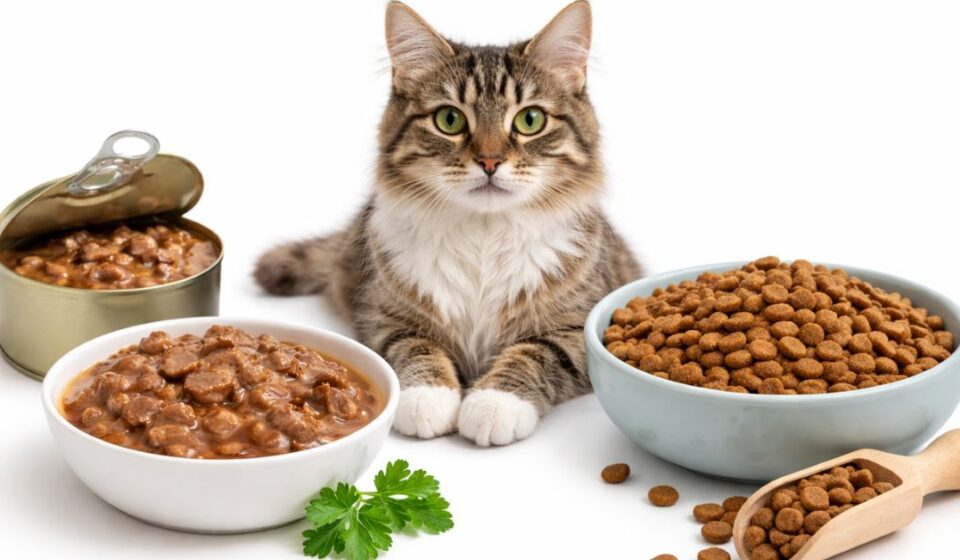

Choosing between wet vs dry cat food often feels like a simple aisle decision, yet it shapes a cat’s long term health in profound ways. Feline nutrition is not merely about flavor preference or convenience. It directly influences hydration levels, weight management, urinary tract health, dental condition, and even lifespan. With rising awareness about pet wellness across the United States, cat owners are seeking reliable guidance grounded in science rather than marketing claims.
Cats are obligate carnivores. Their physiology evolved to process high protein animal based diets with moderate fat and minimal carbohydrates. Unlike dogs, cats have a low thirst drive and naturally derive much of their hydration from prey. This biological reality plays a central role in the debate surrounding wet vs dry cat food. Each format offers unique benefits and limitations, and neither option is universally superior without context.
Veterinary nutrition research continues to emphasize that the best diet for cats depends on age, activity level, medical history, hydration status, and household lifestyle. A well informed decision requires a closer look at nutritional density, moisture content, caloric concentration, ingredient quality, and cost efficiency. The sections below provide a comprehensive evaluation designed to clarify confusion and support evidence based choices.
The Foundation of Feline Nutrition
Obligate Carnivores by Design
Cats rely on nutrients found primarily in animal tissues. Key dietary components include:
- High quality animal protein
- Taurine, an essential amino acid
- Arachidonic acid
- Vitamin A in preformed form
- Moderate fat levels
- Limited carbohydrate tolerance
Studies published in veterinary nutrition journals indicate that domestic cats metabolize protein efficiently but have limited enzymatic adaptation for digesting high carbohydrate loads. This metabolic structure becomes particularly relevant when comparing wet vs dry cat food, as carbohydrate percentages often vary significantly between the two formats.
Macronutrient Requirements
The Association of American Feed Control Officials provides baseline recommendations for feline diets:
- Protein minimum of 26 percent for adult maintenance
- Higher protein needs for kittens and active cats
- Fat minimum of 9 percent
- Adequate levels of essential vitamins and minerals
While both wet and dry foods can meet these standards, ingredient quality and formulation determine whether a product truly supports optimal health.
Moisture Matters
Natural Hydration Patterns
In the wild, cats consume prey containing approximately 70 to 75 percent moisture. This means their evolutionary hydration strategy relies more on food than water bowls. Domestic cats often retain this low thirst instinct, which makes moisture content in food a critical variable.
Wet food typically contains 70 to 80 percent water. Dry food usually contains 6 to 10 percent moisture. This dramatic difference influences daily fluid intake and can affect urinary tract health.
Cat Hydration Needs and Urinary Health
Inadequate hydration is associated with:
- Increased risk of urinary crystals
- Higher likelihood of bladder inflammation
- Potential kidney strain over time
Research from veterinary institutions such as the American Veterinary Medical Association highlights the importance of proper hydration in preventing lower urinary tract disease. Wet food benefits cats by contributing directly to total daily water consumption, which may dilute urine and reduce mineral concentration.
However, dry food is not inherently harmful if cats drink sufficient water. Access to fresh water, use of water fountains, and regular monitoring can mitigate hydration concerns.
Wet Food Benefits Cats
Higher Moisture Content
The most cited advantage in the wet vs dry cat food discussion is hydration support. Increased water intake through food can be especially beneficial for:
- Senior cats
- Cats with a history of urinary issues
- Cats prone to kidney disease
- Cats that rarely drink from bowls
Protein Rich Formulations
Many wet food recipes prioritize animal protein as the primary ingredient. Because moisture contributes to volume, these foods often contain fewer carbohydrates on a dry matter basis compared to some dry formulas.
Satiety and Weight Control
Wet food has lower caloric density per ounce. This can help overweight cats feel full while consuming fewer calories. For indoor cats with limited activity, portion controlled wet feeding may support healthy weight management.
Palatability
Cats that are picky eaters, recovering from illness, or experiencing reduced appetite often respond better to wet food due to aroma and texture.
Dry Food Pros Cons
Convenience and Storage
Dry food is easy to measure, store, and serve. It has a longer shelf life once opened and can remain in a bowl without spoiling quickly. This makes it appealing for households with busy schedules.
Cost Efficiency
Dry food generally costs less per calorie than wet food. For multi cat households, dry food can provide a more affordable healthy cat food option without compromising baseline nutrition if high quality ingredients are selected.
Dental Considerations
There is a common belief that dry food improves dental health. While some kibbles are formulated to reduce tartar buildup, most standard dry food does not significantly clean teeth. Professional veterinary dental care remains the gold standard for oral health.
Carbohydrate Levels
One drawback often cited in the wet vs dry cat food comparison is carbohydrate content. Many dry foods require starch to maintain kibble structure. Excessive carbohydrate intake may contribute to obesity in sedentary cats if portion control is neglected.
Nutritional Comparison Table
| Feature | Wet Cat Food | Dry Cat Food |
|---|---|---|
| Moisture Content | 70 to 80 percent | 6 to 10 percent |
| Protein Density | Often high on dry matter basis | Varies widely by brand |
| Carbohydrate Level | Typically lower | Often higher |
| Caloric Density | Lower per ounce | Higher per ounce |
| Cost Per Calorie | Higher | Lower |
| Shelf Stability | Limited after opening | Longer shelf life |
| Hydration Support | Strong | Limited unless water intake high |
| Portion Control | Easier for weight management | Requires careful measurement |
Best Diet for Cats by Life Stage
Kittens
Growing kittens require:
- Higher protein
- Increased fat
- Greater caloric intake
Both wet and dry kitten formulas can meet these needs. Wet food may support hydration during growth, while dry food can provide calorie dense nutrition for active development.
Adult Cats
For healthy adults, a balanced formula meeting AAFCO standards is essential. The choice between wet vs dry cat food often depends on weight goals and hydration habits.
Senior Cats
Older cats may benefit from:
- Higher moisture intake
- Easily digestible protein
- Controlled phosphorus levels
Wet food benefits cats in this age group due to hydration and softer texture.
Weight Management and Obesity
Feline obesity remains a growing concern in the United States. According to surveys from the Association for Pet Obesity Prevention, over half of domestic cats are classified as overweight or obese.
Dry food’s caloric density can contribute to excessive calorie intake if free feeding is practiced. Wet food’s higher water content creates bulk with fewer calories, which may assist in portion control.
Effective weight management strategies include:
- Scheduled feeding times
- Measured portions
- Monitoring body condition score
- Regular veterinary checkups
Urinary and Kidney Health
Urinary tract issues are among the most common feline health concerns. Increased moisture intake may help dilute urine and reduce crystal formation.
Wet food benefits cats predisposed to urinary conditions due to its contribution to fluid intake. However, therapeutic diets formulated specifically for urinary health can be available in both wet and dry formats.
Kidney disease, especially in aging cats, also highlights the importance of hydration. Veterinary guidance remains critical for cats diagnosed with chronic kidney disease.
Ingredient Quality and Label Reading
What to Look For
- Named animal protein as first ingredient
- Clear nutritional adequacy statement
- Balanced mineral profile
- Absence of excessive fillers
Both wet and dry foods vary widely in quality. The debate of wet vs dry cat food becomes less relevant if ingredient standards are poor in either format.
Marketing Versus Science
Premium packaging does not guarantee superior formulation. Ingredient lists and nutritional analysis provide more reliable insights than advertising claims.
Mixed Feeding Approach
Some pet owners choose a hybrid feeding strategy that combines wet and dry food. This method can provide:
- Hydration benefits from wet food
- Cost control from dry food
- Texture variety
- Nutritional balance
This approach may represent a practical compromise for households balancing budget and health priorities.
Budget Considerations and Affordable Healthy Cat Food
Financial planning plays a meaningful role in long term feeding decisions. While wet food often costs more per serving, portion control and selective brand choices can reduce expenses.
Affordable healthy cat food options can be found in both wet and dry categories when focusing on:
- Adequate protein levels
- Balanced formulation
- Transparent ingredient sourcing
Bulk purchasing dry food and supplementing with smaller wet portions can help balance cost and hydration benefits.
Behavioral and Lifestyle Factors
Cats with limited mobility, indoor lifestyles, or reduced activity levels may require lower caloric intake. Wet food may help manage weight in these situations.
Conversely, active cats with high energy demands may benefit from the calorie density of dry food, provided hydration is maintained.
Environmental enrichment, play, and scheduled feeding also influence overall health beyond food format alone.
Common Myths Debunked
Myth 1: Dry Food Cleans Teeth Completely
Reality: Only specific dental formulas offer measurable benefit. Routine dental care remains necessary.
Myth 2: Wet Food Causes Obesity
Reality: Overfeeding causes obesity, not moisture content.
Myth 3: Dry Food Causes Kidney Disease
Reality: Kidney disease has multifactorial causes. Hydration is one factor among many.
Myth 4: Cats Need Variety to Stay Healthy
Reality: Nutritional balance matters more than flavor rotation.
Final Perspective
The debate surrounding wet vs dry cat food is less about choosing a winner and more about aligning nutrition with biology, health status, and lifestyle realities. Cats evolved as desert predators that derived hydration from prey, which makes moisture content a meaningful factor in dietary planning. Wet food benefits cats by supporting hydration and weight control, while dry food pros cons reveal advantages in convenience and affordability.
The best diet for cats is not dictated solely by format but by formulation quality, protein sourcing, mineral balance, and portion control. Hydration, calorie management, and ingredient integrity carry more weight than packaging claims. Thoughtful selection, guided by scientific principles and veterinary input when needed, promotes long term feline vitality.
Every cat presents a unique nutritional profile shaped by age, metabolism, and health history. Evaluating wet vs dry cat food through the lens of physiology rather than preference creates a more strategic approach to feeding. Balanced nutrition, consistent monitoring, and informed adjustments establish a foundation for sustained well being throughout every life stage.
Frequently Asked Questions
1. Is wet vs dry cat food better for hydration?
Wet food provides significantly higher moisture content and supports hydration more effectively.
2. Can dry food be part of the best diet for cats?
Yes, high quality dry food can meet nutritional standards when properly portioned and balanced.
3. Do cats need both wet and dry food?
Not necessarily. Either format can be complete if nutritionally adequate, though mixed feeding is common.
4. Are carbohydrates harmful to cats?
Cats tolerate limited carbohydrates. Excess intake may contribute to weight gain in sedentary cats.
5. Does wet food prevent urinary problems?
Higher moisture intake may reduce risk, but no diet guarantees prevention.
6. Is affordable healthy cat food possible with wet diets?
Yes, by selecting balanced mid range brands and managing portion sizes.
7. How often should cats be fed?
Most adult cats benefit from scheduled meals rather than continuous free feeding.
8. Do kittens need wet food?
Kittens can thrive on properly formulated wet or dry kitten food.
9. Does dry food cause dental disease?
Standard dry food does not replace professional dental care.
10. How should a transition between wet and dry food be managed?
Gradual mixing over several days helps prevent digestive upset.