
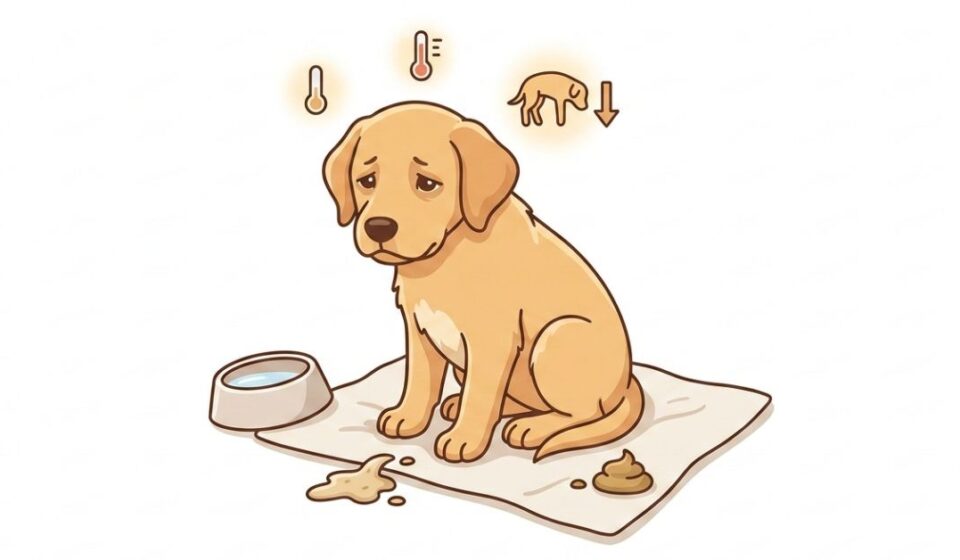

Canine parvovirus remains one of the most feared infectious diseases affecting dogs in the United States. Despite advancements in veterinary medicine and widespread vaccination campaigns, outbreaks continue to occur, especially among unvaccinated puppies and dogs with compromised immunity. The early signs of parvo in dogs are often subtle, easily mistaken for minor digestive upset, and dangerously easy to overlook. That delay in recognition can mean the difference between recovery and life threatening decline.
Parvovirus attacks rapidly dividing cells in a dog’s body, particularly in the intestinal tract and bone marrow. The virus spreads aggressively through direct contact with infected feces or contaminated surfaces, making it highly transmissible in shelters, dog parks, breeding facilities, and even residential yards. Puppies under six months of age face the highest risk, but adult dogs without adequate vaccination remain vulnerable.
Recognizing puppy parvo warning signs early allows for timely medical evaluation, supportive care, and isolation to prevent further transmission. The following comprehensive guide explains the early symptoms, the parvo symptoms timeline, survival expectations, and critical moments when to see vet for parvo. Awareness saves lives, especially when minutes matter.
What Is Canine Parvovirus?
Canine parvovirus, often referred to as parvo, is a highly contagious viral disease that primarily affects the gastrointestinal system. It is caused by canine parvovirus type two, a resilient pathogen capable of surviving for months in the environment under favorable conditions.
How Parvo Attacks the Body
Parvo targets rapidly dividing cells. This includes:
- Intestinal lining cells
- Bone marrow cells
- Lymphoid tissue
Damage to the intestinal lining leads to severe inflammation, ulceration, and fluid loss. Suppression of bone marrow reduces white blood cell production, weakening the immune response and increasing susceptibility to secondary infections.
Why Puppies Are at Greater Risk
Puppies between six weeks and six months of age are particularly vulnerable due to:
- Incomplete vaccination series
- Immature immune systems
- High exposure in group environments
Certain breeds such as Rottweilers, Doberman Pinschers, American Pit Bull Terriers, and German Shepherds have shown increased susceptibility in some studies, though any unvaccinated dog can contract the virus.
Early Signs of Parvo in Dogs
The early signs of parvo in dogs can resemble mild gastrointestinal distress, which often leads to delayed action. Vigilance is essential, especially in young puppies.
Subtle Early Indicators
Initial symptoms may include:
- Lethargy
- Loss of appetite
- Mild fever
- Slight abdominal discomfort
At this stage, the dog may simply appear tired or uninterested in food. Owners sometimes attribute this to stress, dietary changes, or minor stomach upset. However, parvo progresses rapidly.
Digestive Disturbances Begin
Within a short period, gastrointestinal symptoms intensify:
- Vomiting
- Diarrhea
- Rapid dehydration
Dog vomiting parvo episodes often begin before severe diarrhea appears. The vomit may contain foam or bile. As the condition progresses, diarrhea becomes watery and frequently bloody with a distinct, foul odor.
Behavioral Changes
Affected dogs may:
- Withdraw from interaction
- Refuse water
- Lie in unusual positions to ease abdominal pain
These changes indicate systemic illness rather than simple indigestion.
Parvo Symptoms Timeline
Understanding the parvo symptoms timeline helps identify progression and urgency.
Incubation Period
The incubation period typically ranges from three to seven days after exposure. During this time, no visible symptoms appear, but the virus replicates within the body.
Early Clinical Phase
Days one and two of visible illness may present:
- Decreased appetite
- Mild lethargy
- Low grade fever
These symptoms often precede severe gastrointestinal signs.
Acute Phase
Within twenty four to forty eight hours after initial symptoms:
- Persistent vomiting
- Profuse diarrhea
- Bloody stools
- Rapid dehydration
- Weakness
White blood cell counts drop significantly during this phase, increasing vulnerability to bacterial infections.
Critical Phase
Without treatment, the condition can become critical within seventy two hours. Severe dehydration, electrolyte imbalance, and septic shock may occur.
Early intervention during the first signs dramatically improves outcomes.
Puppy Parvo Warning Signs
Puppy parvo warning signs may develop more aggressively than in adult dogs.
Severe Dehydration
Puppies lose fluids rapidly due to smaller body mass. Signs include:
- Dry gums
- Sunken eyes
- Skin tenting when gently pinched
Extreme Weakness
Puppies may:
- Struggle to stand
- Collapse after minimal activity
- Show trembling or shaking
Temperature Fluctuations
A puppy may initially develop fever, followed by dangerously low body temperature in advanced stages.
Immediate veterinary attention is critical when these warning signs appear.
Dog Vomiting Parvo: Why It Happens
Dog vomiting parvo is caused by inflammation and destruction of intestinal cells. As the virus damages the intestinal lining, toxins and bacteria enter the bloodstream.
Impact on Digestive Function
The damaged intestine cannot absorb nutrients or fluids properly. This results in:
- Persistent vomiting
- Diarrhea
- Severe electrolyte imbalance
Risk of Secondary Infection
With reduced white blood cells, the body struggles to fight bacteria that leak from the compromised gut. This increases the risk of sepsis, a life threatening systemic infection.
When to See Vet for Parvo
Determining when to see vet for parvo should not involve delay once symptoms appear.
Immediate Evaluation Is Necessary If:
- Vomiting continues for more than one episode in a puppy
- Bloody diarrhea develops
- The dog refuses water
- Signs of dehydration appear
- Lethargy becomes severe
Waiting to see if symptoms improve on their own can allow rapid deterioration. Veterinary clinics may perform diagnostic tests such as fecal antigen testing and bloodwork to confirm infection and assess severity.
Parvovirus Survival Rate
The parvovirus survival rate depends heavily on early detection and supportive care.
With Veterinary Treatment
Studies indicate survival rates can exceed seventy five to ninety percent when aggressive treatment is initiated promptly. Treatment typically includes:
- Intravenous fluids
- Electrolyte correction
- Anti nausea medication
- Antibiotics to prevent secondary infection
- Nutritional support
Without Treatment
Without medical intervention, mortality rates may reach ninety percent in severe cases, particularly among puppies.
Factors Influencing Survival
| Factor | Impact on Survival |
|---|---|
| Early detection | Significantly increases survival |
| Age of dog | Younger puppies face higher risk |
| Vaccination status | Vaccinated dogs have milder disease |
| Speed of supportive care | Rapid fluid therapy improves outcomes |
| Overall health | Strong immune systems respond better |
Prompt action remains the single most important determinant of outcome.
Transmission and Environmental Persistence
Parvovirus spreads primarily through fecal oral transmission.
How Dogs Become Infected
- Contact with contaminated feces
- Shared bowls or surfaces
- Shoes or clothing carrying viral particles
- Contaminated soil or grass
The virus can survive for months in the environment, particularly in shaded or moist conditions.
Disinfection Challenges
Common household cleaners may not eliminate the virus effectively. Specific disinfectants recommended by veterinary professionals are required for proper sanitation.
Prevention Strategies
Vaccination remains the most effective preventive measure.
Vaccination Schedule
Puppies typically receive a series of vaccinations beginning around six to eight weeks of age, followed by boosters every few weeks until approximately sixteen weeks.
Adult dogs require booster vaccinations according to veterinary guidance.
Limiting Exposure
Until the vaccination series is complete:
- Avoid dog parks
- Limit contact with unknown dogs
- Maintain clean living spaces
Prevention reduces not only infection risk but also community spread.
Long Term Effects After Recovery
Some dogs recover fully without lasting complications. Others may experience:
- Sensitive digestive systems
- Slower growth in severe cases
- Temporary immune suppression
Early intervention reduces the likelihood of prolonged complications.
Emotional and Financial Impact
Parvo treatment can involve hospitalization for several days, leading to substantial veterinary costs. Beyond financial considerations, the emotional strain on pet owners is significant.
Recognizing early signs of parvo in dogs not only improves medical outcomes but also minimizes suffering and stress.
A Final Word on Vigilance and Responsibility
Parvovirus remains a formidable threat in canine health despite decades of vaccination and public awareness efforts. The early signs of parvo in dogs are deceptively mild, yet the disease progresses with alarming speed. Delayed recognition allows dehydration, immune suppression, and systemic infection to take hold, reducing the chances of recovery.
Careful observation of appetite, energy level, and digestive changes plays a decisive role in early identification. The parvo symptoms timeline demonstrates how rapidly mild lethargy can evolve into life threatening gastrointestinal crisis. Puppy parvo warning signs demand urgent attention, particularly when dog vomiting parvo episodes are accompanied by weakness or refusal to drink.
Timely veterinary evaluation dramatically improves the parvovirus survival rate and reduces the risk of severe complications. Prevention through vaccination, sanitation, and responsible social exposure remains the most effective defense. In the landscape of canine infectious diseases, vigilance stands as the strongest safeguard against preventable loss.
Frequently Asked Questions
1. What are the earliest signs of parvo in dogs?
Lethargy, loss of appetite, and mild fever are often the first noticeable symptoms before vomiting and diarrhea begin.
2. How fast does parvo progress?
Parvo can escalate from mild symptoms to severe illness within twenty four to seventy two hours.
3. Is dog vomiting parvo always accompanied by diarrhea?
Vomiting often appears first. Severe, sometimes bloody diarrhea typically follows shortly afterward.
4. What does parvo diarrhea look like?
It is usually watery, foul smelling, and may contain blood.
5. When to see vet for parvo symptoms?
Immediate veterinary evaluation is recommended at the first signs of persistent vomiting, diarrhea, or lethargy in puppies.
6. What is the parvovirus survival rate?
With prompt veterinary care, survival rates can reach seventy five to ninety percent. Without treatment, mortality risk is very high.
7. Can vaccinated dogs get parvo?
Vaccinated dogs have strong protection, though rare breakthrough infections can occur.
8. How long does parvo survive in the environment?
The virus can persist for months in soil and contaminated areas.
9. Are certain breeds more vulnerable?
Some breeds appear statistically more susceptible, but any unvaccinated dog is at risk.
10. Can adult dogs survive parvo more easily than puppies?
Adult dogs with strong immune systems generally have better survival odds compared to young puppies.