
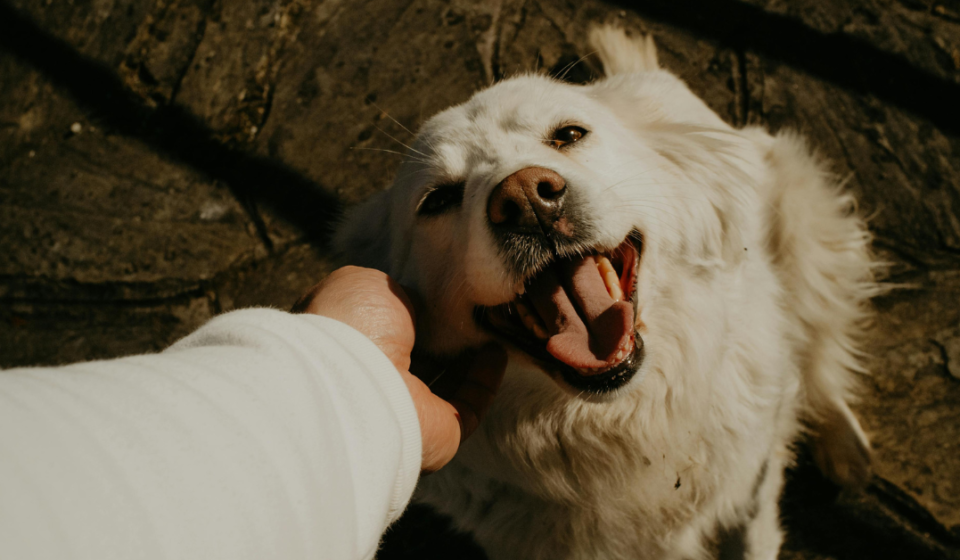

Approaching an unfamiliar dog tempts many people who love animals, yet this simple action carries risks when signals go unnoticed. Dogs communicate primarily through body language rather than words, conveying comfort, curiosity, fear, or readiness to defend in subtle and overt ways. Misinterpreting these cues contributes to countless uncomfortable encounters or worse, as bites often stem from overlooked warnings rather than unprovoked attacks.
Canine experts consistently stress the value of holistic observation. A single feature like a wagging tail misleads frequently, since arousal of any kind, positive or negative, prompts tail movement.
Reliable indicators emerge from combined posture, facial expression, ear position, eye contact, and overall tension. Learning these distinctions empowers safer interactions in parks, neighborhoods, or during walks, reducing chances of escalation while fostering genuine connections with willing dogs.
The difference between a welcoming pup and one issuing caution lies in relaxation versus rigidity. Loose, fluid movements reflect confidence and openness, whereas stiffness signals discomfort or threat perception. Mastering this reading prevents assumptions and promotes respect for each dog’s individual boundaries and mood.
Why Body Language Matters More Than Breed or Appearance
Breed stereotypes influence perceptions, but individual history, environment, and current context shape behavior far more. No breed guarantees friendliness or aggression, as any dog can display either depending on circumstances. The American Veterinary Medical Association emphasizes evaluating dogs as individuals rather than relying on generalizations.
Body language provides real-time insight into emotional state. A seemingly cuddly small breed may guard space fiercely, while a larger one approaches with clear affection. Observing before petting respects the dog’s communication and prevents forcing unwanted contact.
Key Signs of a Friendly Dog Ready for Interaction
Relaxed dogs exhibit open invitations through their entire form. Look for these combined indicators to gauge safety.
Loose and Wiggly Posture
A friendly dog often moves with bouncy, fluid motion. The body curves softly rather than holding a straight, tense line. Weight distributes evenly, with no forward lean suggesting challenge.
Soft Eyes and Relaxed Facial Features
Eyes appear squinty or almond-shaped, avoiding hard stares. The mouth stays slightly open, sometimes with a visible relaxed tongue, resembling a gentle smile. No lip curling or teeth exposure occurs.
Tail Position and Wag Style
Tails wag in loose, broad circles or side-to-side sweeps at mid-height. High helicopter spins signal extreme joy in greetings, but only when paired with overall relaxation.
Approach Style
The dog arcs sideways rather than charging straight. Leaning in gently or offering a play bow (front lowered, rear up) invites contact without pressure.
Warning Signs of Potential Aggression or Discomfort
Certain postures indicate the dog perceives a threat and may escalate if approached. Respect these by maintaining distance.
Stiff Body and Forward Lean
Tension shows in rigid legs, with weight shifted forward. The dog appears larger through raised hackles along the back and shoulders.
Intense Stare and Ear Position
Direct, hard eye contact warns others away. Ears stand erect and forward (alert/aggressive) or pin flat back (fearful aggression).
Tail and Mouth Cues
High, stiff tails with rapid short wags signal agitation. Curled lips reveal teeth, often with growling or snarling. A tucked tail paired with fast wags points to fear that could flip to defensive snaps.
Other Red Flags
Raised fur, freezing in place, or avoidance followed by sudden fixation warrant caution. Yawning, lip licking, or turning away represent earlier stress signals that, if ignored, progress to overt warnings.
Friendly vs Aggressive Body Language Comparison Table
| Body Part | Friendly/Relaxed Signs | Warning/Aggressive Signs |
|---|---|---|
| Overall Posture | Loose, wiggly, curved body | Stiff, forward-leaning, tense |
| Eyes | Soft, squinty, averted slightly | Hard stare, whale eye (whites showing) |
| Ears | Relaxed, natural position | Erect forward or pinned flat back |
| Tail | Mid-height, loose broad wag | High stiff, rapid wag or tucked fast wag |
| Mouth | Open, relaxed tongue | Lips curled, teeth bared |
| Hackles | Flat | Raised along back |
| Approach | Curved, slow, inviting | Direct, fast, charging |
This table summarizes core differences drawn from expert observations by organizations like the AKC and ASPCA.
Steps to Safely Approach and Pet a Dog
Always seek owner permission first. Let the dog initiate contact by extending a closed fist for sniffing. Watch for positive signals before petting under the chin or chest, avoiding the head top initially. If uncertainty arises, step back calmly without turning away abruptly.
Common Misconceptions About Dog Signals
Many assume tail wagging equals happiness, yet context defines meaning. A stiff high wag differs vastly from a loose one. Similarly, rolling over exposes the belly in trust for some dogs, but signals fear submission in others. Whole-body assessment prevents errors.
The Bigger Picture: Preventing Unwanted Encounters
Understanding these cues reduces bite risks, which affect millions yearly. Familiar dogs account for most incidents, highlighting everyday misreads. Promoting awareness creates safer communities for people and pets alike.
Key Conclusion and Analysis
Recognizing friendly versus aggressive signals transforms random encounters into positive experiences or safe retreats. Body language serves as the dog’s primary voice, offering clear guidance when interpreted correctly. Staying observant, patient, and respectful ensures interactions remain enjoyable and secure.
Next time an appealing dog appears across the path, pause to read the full message conveyed through posture, eyes, tail, and movement. This small habit protects everyone involved while deepening appreciation for canine communication. Safer petting starts with informed observation, leading to more joyful moments shared between humans and their four-legged companions.
10 FAQs
1. What does a wagging tail really mean in dogs?
A wagging tail indicates arousal, not always friendliness. Loose, broad wags at mid-height suggest happiness, while stiff high wags or rapid low ones signal tension or fear.
2. Can a dog with pinned-back ears still be friendly?
Pinned ears usually indicate fear or submission rather than openness. Friendly dogs keep ears relaxed in natural positions.
3. Why do some dogs show teeth even when excited?
Some display a “submissive grin” with relaxed features, but curled lips baring teeth warn of aggression. Context and whole-body relaxation distinguish the two.
4. Is raised hackles always a sign of aggression?
Raised hackles show arousal or excitement, which can stem from fear, aggression, or play. Pair with other stiff signals for threat assessment.
5. How can I tell if a dog wants to be petted?
Look for leaning in, loose body, soft eyes, and approaching voluntarily. Avoid forcing contact if the dog hesitates or turns away.
6. What should I do if a dog gives a hard stare?
Avoid direct eye contact, which challenges dogs. Turn sideways, stay calm, and give space to de-escalate.
7. Do all dogs give warnings before biting? Many do through growls or posture, but some skip to bites, especially under high stress. Never ignore early subtle signs like lip licking or yawning.
8. Why is approach style important when meeting a dog?
Head-on rushes intimidate; curved, slow approaches appear non-threatening and polite in dog language.
9. Can small dogs show the same aggressive signals as large ones?
Yes, size does not limit signals. Small dogs use identical body language, though bites may cause less damage.
10. How does fear-based aggression differ from confident aggression?
Fear aggression shows tucked tails, pinned ears, and avoidance before defense. Confident aggression features forward leans, high tails, and direct stares.