
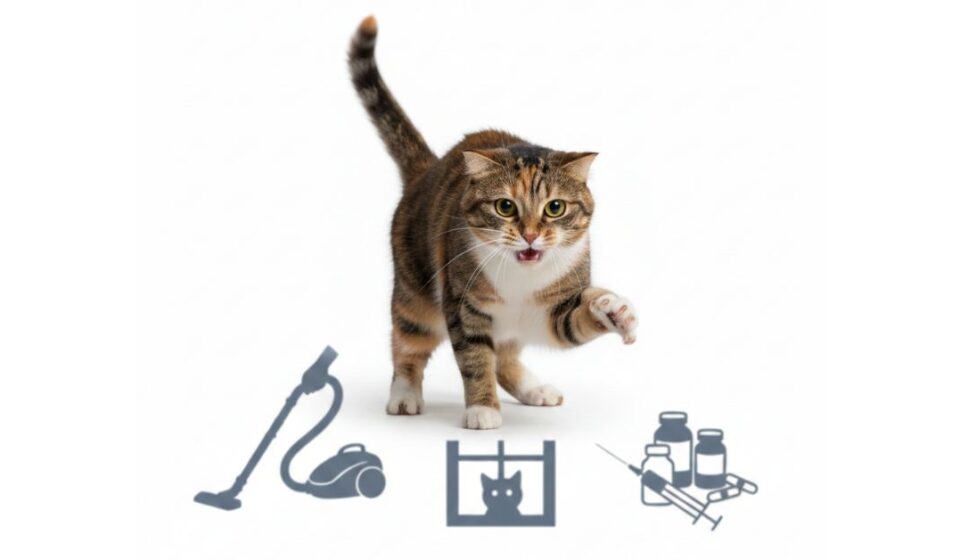

Sudden aggression in cats can feel alarming and deeply personal. A companion known for gentle purring and quiet affection may suddenly hiss, scratch, or display hostility without warning. When a calm household shifts into tension because a cat is attacking its owner, confusion and concern often follow. Behavioral changes in cats rarely happen without cause. They usually reflect internal stress, environmental disruption, or unmet needs.
Feline behavior problems do not emerge in isolation. Cats rely heavily on routine, territory, and sensory stability. Even subtle shifts in environment, health, or social hierarchy can alter their responses. Sudden aggression in cats is often a signal rather than random hostility. It communicates discomfort, anxiety, overstimulation, or pain.
Understanding the root cause is essential before attempting corrective action. Misinterpreting aggressive behavior may intensify the issue and damage trust. A structured look at feline psychology, stress triggers, territorial patterns, and communication signals can help explain why a previously calm cat now reacts defensively or aggressively.
The Nature of Sudden Aggression in Cats
Aggression is a natural feline response designed for survival. In the wild, it protects resources and ensures safety. In a domestic setting, the same instinct may surface in ways that seem unpredictable.
Types of Feline Aggression
Different forms of aggression exist, each with distinct motivations.
Fear Based Aggression
When a cat feels threatened, the instinct to defend becomes immediate. Loud sounds, unfamiliar visitors, or unexpected handling can trigger defensive responses.
Territorial Aggression Cats
Cats are territorial by nature. Changes in home layout, introduction of new pets, or even the scent of an outdoor animal near a window can spark territorial aggression cats display to protect perceived space.
Redirected Aggression
A common but misunderstood form. If a cat becomes aroused by a stimulus it cannot access, such as seeing another cat through a window, it may redirect aggression toward the nearest person.
Stress Aggression Cats
Stress aggression cats exhibit often stems from environmental instability. Construction noise, moving furniture, or changes in feeding routine can elevate cortisol levels and lower tolerance thresholds.
Medical Factors Behind Cat Attacking Owner
A sudden shift toward a cat attacking owner behavior may signal discomfort or pain.
Pain Induced Aggression
Cats mask illness effectively. Arthritis, dental disease, urinary discomfort, or internal inflammation can make handling painful. A previously tolerant cat may react defensively when touched in sensitive areas.
Neurological or Hormonal Changes
Thyroid imbalance, neurological disorders, or cognitive changes in senior cats can alter mood regulation and impulse control. Behavioral shifts should not be dismissed without considering underlying health conditions.
Sensory Decline
Reduced vision or hearing can make a cat more easily startled. Startle reactions often escalate into defensive swatting or biting.
Environmental Triggers That Spark Feline Behavior Problems
Environmental stability plays a critical role in maintaining balanced feline behavior.
Disrupted Routine
Cats rely on predictability. Changes in feeding time, litter box location, or sleeping areas can cause insecurity.
Overstimulation
Petting induced aggression is common. A cat may enjoy affection initially, then abruptly bite or scratch when sensory input becomes overwhelming.
Social Stress
Multi cat households can experience tension when hierarchy shifts. Even subtle competition for resting spots or food bowls can increase territorial aggression cats display.
External Stressors
Outdoor noise, stray animals near windows, or unfamiliar scents carried inside may activate defensive responses.
Body Language Signals Before Aggression
Recognizing early warning signs can prevent escalation.
| Signal | Meaning | Risk Level |
|---|---|---|
| Tail flicking rapidly | Irritation building | Moderate |
| Flattened ears | Fear or defensive stance | High |
| Dilated pupils | Heightened arousal | High |
| Growling or low vocalization | Clear warning | Severe |
| Stiff body posture | Preparing to react | High |
Ignoring these signals often results in sudden aggression in cats becoming physical.
Stress Aggression Cats Exhibit Under Pressure
Stress impacts feline physiology in measurable ways. Research indicates elevated cortisol levels correlate with defensive behavior and lowered tolerance to stimuli.
Common Stressors
New Household Members
Introduction of a baby, partner, or pet can shift a cat’s perceived security.
Lack of Enrichment
Boredom increases frustration. Without mental stimulation, pent up energy may manifest as feline behavior problems.
Insufficient Territory
Cats require vertical and horizontal space. Limited access to safe perches or hiding spots increases vulnerability.
Territorial Aggression Cats Display in Shared Spaces
Territorial aggression cats exhibit often intensifies when resources appear threatened.
Resource Guarding
Food bowls, litter boxes, and resting areas represent security. Competition can lead to defensive displays or attacks.
Window Triggered Aggression
Seeing another cat outside can stimulate instinctual territorial defense. This commonly results in redirected aggression toward an owner.
Multi Cat Dynamics
Hierarchy shifts are subtle but impactful. Minor conflicts may escalate if not addressed through environmental adjustments.
Psychological Components of Cat Attacking Owner Behavior
Aggression is rarely personal. It reflects emotional dysregulation rather than malice.
Fear Response Cycle
A cat perceives threat, body prepares for defense, adrenaline increases, and reaction follows. Repeated exposure to stress can shorten the threshold for aggressive response.
Learned Behavior
If aggression leads to removal of an unpleasant stimulus, such as being released when biting, it may reinforce the pattern.
Trauma History
Cats with previous trauma may exhibit heightened defensive reactions even in safe environments.
Correcting Cat Aggression Safely
Correcting cat aggression requires patience and strategic adjustments.
Avoid Punishment
Yelling or physical discipline increases fear and stress aggression cats may already experience.
Identify and Remove Triggers
Observe patterns. Determine if aggression correlates with touch, time of day, specific rooms, or environmental stimuli.
Gradual Desensitization
Controlled exposure to triggers paired with positive reinforcement can reduce reactivity over time.
Environmental Enrichment
Provide vertical climbing structures, scratching posts, puzzle feeders, and interactive play sessions to channel energy productively.
Respect Boundaries
Allow a cat to initiate contact. End petting before signs of overstimulation appear.
When Sudden Aggression in Cats Requires Professional Evaluation
Persistent aggression warrants professional attention.
Indicators for Further Assessment
Frequent unprovoked attacks
Severe biting causing injury
Aggression accompanied by lethargy or appetite changes
Marked personality shifts in senior cats
A thorough medical and behavioral evaluation ensures no underlying condition is overlooked.
Long Term Management of Feline Behavior Problems
Sustainable improvement depends on consistency.
Establish Predictable Routine
Feed, play, and interact at consistent times to restore security.
Provide Safe Zones
Quiet areas away from traffic allow stress recovery.
Use Calming Aids
Pheromone diffusers and structured play routines may help reduce anxiety.
Monitor Progress
Track incidents to identify patterns and measure improvement.
Key Facts About Sudden Aggression in Cats
Approximately one in five cats display some form of aggression during their lifetime.
Redirected aggression accounts for a significant percentage of unexpected attacks in indoor cats.
Environmental instability ranks among the most common contributors to stress aggression cats exhibit.
Pain related aggression is frequently misinterpreted as behavioral defiance.
The Emotional Impact on Owners
A cat attacking owner incidents can create fear and emotional distance. Restoring trust requires calm interaction, patience, and understanding of feline psychology. Confidence rebuilding may take weeks or months depending on severity.
Consistency, structure, and empathy remain foundational to progress.
Conclusion
Sudden aggression in cats rarely appears without reason. It reflects stress, fear, discomfort, territorial insecurity, or underlying health concerns. Interpreting aggressive behavior as communication rather than defiance shifts the approach from reaction to resolution. Patterns, triggers, and environmental context offer valuable insight into feline behavior problems.
Correcting cat aggression depends on recognizing early signals, reducing stressors, and restoring stability. Punishment undermines trust, while strategic environmental adjustments foster security. When a cat begins attacking its owner, the response should center on assessment rather than confrontation. With patience, structured intervention, and careful observation, most cases of stress aggression cats display can improve significantly.
Aggression is a language rooted in instinct and survival. When interpreted correctly, it provides a pathway toward restoring harmony and strengthening the bond between cat and household.
Frequently Asked Questions
1. Why is sudden aggression in cats so common?
Cats are sensitive to environmental and emotional changes. Even minor disruptions can trigger defensive behavior.
2. Can pain cause a cat attacking owner behavior?
Yes. Pain related aggression is common and may appear when a sensitive area is touched.
3. What is redirected aggression?
It occurs when a cat reacts to a stimulus it cannot access and redirects aggression toward a nearby person.
4. How can territorial aggression cats display be reduced?
Providing separate resources and increasing vertical space often reduces territorial conflict.
5. Do stress aggression cats improve over time?
Yes, with consistent routine, environmental enrichment, and removal of triggers.
6. Should punishment be used when correcting cat aggression?
No. Punishment increases fear and often intensifies aggression.
7. Is sudden aggression more common in indoor cats?
Indoor cats may experience redirected aggression due to limited outlets for stimulation.
8. Can aging cause personality changes?
Yes. Senior cats may experience cognitive or sensory changes that affect behavior.
9. How long does behavior modification take?
Improvement may take several weeks to several months depending on severity.
10. When should professional help be considered?
If aggression is severe, frequent, or accompanied by other behavioral or physical changes.