
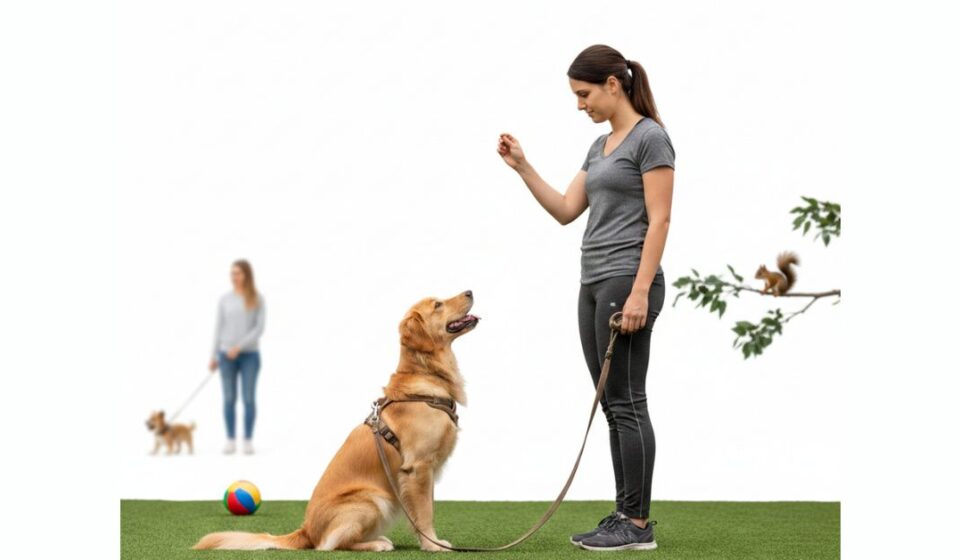

A dog running freely through a park, ears alert and tail high, represents one of the most rewarding sights for any owner. Yet that freedom carries responsibility. In distracted environments filled with scents, people, wildlife, and movement, even well behaved dogs can ignore a recall cue. The ability to respond instantly to a recall command is not simply a matter of obedience. It is a matter of safety, trust, and consistent training.
Learning how to train dog recall effectively requires more than repeating a name and hoping for the best. Recall is a behavior built through structured reinforcement, environmental conditioning, and psychological clarity. Research in canine learning theory shows that dogs respond reliably when cues are consistently paired with positive outcomes and when distractions are gradually introduced rather than forced. Without a systematic approach, recall often collapses under pressure.
Distracted environments test the true quality of training. A living room recall does not equal obedience in public. Squirrels, other dogs, traffic noise, and unfamiliar smells create competing stimuli that override weak conditioning. Reliable recall is therefore not accidental. It is developed through deliberate recall training exercises, progressive exposure, and clear communication.
Why Recall Is the Foundation of Off Leash Safety
Safety First
Strong recall protects dogs from traffic, aggressive animals, and unpredictable hazards. According to veterinary safety reports, many preventable accidents occur when dogs ignore verbal cues in open areas. A conditioned recall response can interrupt chase behavior or redirect attention before danger escalates.
Emotional Regulation
Dogs that respond reliably to recall commands demonstrate higher impulse control. Recall command practice strengthens neurological pathways associated with attention and response inhibition. This reduces reactivity and improves obedience in public settings.
Strengthened Bond
Consistent recall training builds trust. The dog learns that returning leads to positive experiences rather than punishment or confinement. This psychological association is central to long term reliability.
The Psychology Behind Reliable Recall
Operant Conditioning and Reinforcement
Dogs repeat behaviors that produce rewarding outcomes. When recall is consistently followed by high value reinforcement, neural associations strengthen. Inconsistent rewards weaken the behavior. This principle is foundational in all recall training exercises.
Competing Motivators
In distracted environments, environmental stimuli compete with the handler’s cue. Wildlife movement, food smells, and social interaction may outweigh the perceived value of returning. Training stubborn dog recall often fails because environmental rewards are stronger than handler rewards.
Gradual Exposure Model
Behaviorists recommend incremental distraction layering. Starting recall command practice in controlled settings before introducing moderate distractions allows the dog to generalize the behavior gradually.
Core Steps on How to Train Dog Recall
Step One: Establish a Clear Recall Cue
Select one consistent word such as “come” or “here.” The cue should never be used casually or followed by punishment. Consistency strengthens conditioning.
Step Two: Pair Cue With High Value Reward
During early sessions, use rewards significantly more appealing than everyday treats. Small pieces of cooked chicken or favorite toys create a powerful association. The reward must outweigh environmental distractions.
Step Three: Short Distance Practice
Begin recall training exercises indoors. Call the dog from short distances. Reinforce immediately upon response. Gradually increase distance as reliability improves.
Step Four: Introduce Controlled Distractions
Add mild distractions such as background noise or another person in the room. Success at each level builds confidence before advancing to public spaces.
Step Five: Transition to Outdoor Settings
Move to a fenced yard or enclosed park. Maintain a long training leash for safety. Practice recall command drills with moderate distractions before attempting off leash exposure.
Effective Recall Training Exercises
The Chase and Reward Drill
Dogs naturally enjoy movement. Running away while calling the recall cue encourages pursuit behavior toward the handler. Upon arrival, reward enthusiastically.
The Round Robin Method
Involving two or more people strengthens recall consistency. Each person calls the dog in turns and reinforces upon arrival. This builds response reliability across individuals.
Hide and Seek
Concealment activates a dog’s tracking instinct. Calling from a hidden location increases motivation and attention. This game also enhances focus in distracted environments.
The Long Line Reinforcement Technique
Using a long leash allows practice in open spaces while maintaining safety. If the dog hesitates, gentle guidance reinforces compliance without harsh correction.
Off Leash Training Tips for Real World Reliability
Build Value in Returning
Recall should never signal the end of fun. Frequently call the dog, reward, and then release back to play. This prevents negative associations.
Vary Rewards
High value reinforcement should not be predictable. Rotating rewards maintains engagement and motivation.
Practice in Diverse Locations
Generalization is critical. A dog trained only in one park may struggle elsewhere. Obedience in public depends on exposure to multiple environments including urban sidewalks, quiet trails, and dog friendly spaces.
Maintain Training Consistency
Recall command practice should occur daily. Even short sessions reinforce neurological pathways and prevent regression.
Training a Stubborn Dog Recall Response
Identify Motivation Drivers
Stubborn behavior often reflects competing interests rather than defiance. Determine whether the dog is motivated by food, toys, praise, or movement.
Increase Reinforcement Value
If recall fails, the reward may be insufficient. Elevating reward intensity can shift behavioral priority.
Reduce Environmental Intensity
If distractions overwhelm the dog, step back to a lower distraction level. Progression should be systematic.
Avoid Punishment
Punishing a dog after recall damages trust and reduces reliability. The recall cue must always predict positive outcomes.
Obedience in Public Spaces
Impulse Control Training
Teaching sit and stay in public environments strengthens focus. Combining these commands with recall enhances overall compliance.
Environmental Awareness
Crowded areas introduce unpredictable stimuli. Maintaining gradual exposure ensures confidence rather than anxiety.
Leash to Off Leash Transition
The shift from leash to off leash training must be gradual. Reliability on a long line should reach near perfect consistency before full freedom is granted.
Common Recall Mistakes That Undermine Progress
Repeating the Cue
Saying the recall word multiple times weakens its authority. The cue should be delivered once, clearly.
Calling Only for Negative Outcomes
If recall always precedes confinement or departure, the dog associates returning with loss of freedom.
Inconsistent Reinforcement
Skipping rewards during early stages reduces reliability. Strong conditioning requires repetition.
Advancing Too Quickly
Skipping training stages often leads to failure in distracted environments.
Recall Training Progression Table
| Training Stage | Environment | Distraction Level | Tools Used | Goal |
|---|---|---|---|---|
| Stage One | Indoor room | Minimal | Treats | Immediate response at short distance |
| Stage Two | Larger indoor area | Low | Treats and toys | Consistent recall at moderate distance |
| Stage Three | Fenced yard | Moderate | Long leash | Reliable response with mild distractions |
| Stage Four | Quiet park | Moderate to high | Long leash | Strong recall despite movement and noise |
| Stage Five | Open safe area | High | Off leash | Instant response under real world conditions |
Strengthening Recall Through Mental Engagement
Cognitive Enrichment
Dogs engaged in structured activities demonstrate stronger recall. Mental stimulation reduces impulsive chasing behaviors.
Routine Reinforcement
Embedding recall into daily routines reinforces reliability. Calling before meals or play builds habitual response patterns.
Handler Body Language
Confident posture and enthusiastic tone enhance compliance. Dogs interpret body language as strongly as verbal cues.
Measuring Recall Reliability
Response Time
Reliable recall should occur within seconds of the cue.
Distraction Resistance
Evaluate performance in increasingly stimulating environments.
Consistency Across Contexts
True recall mastery appears in varied locations and social situations.
Long Term Maintenance of Recall Skills
Scheduled Practice
Even fully trained dogs require reinforcement sessions to prevent extinction of the behavior.
Periodic High Value Rewards
Occasional exceptional rewards maintain motivation and prevent complacency.
Continued Exposure
Regular practice in new environments sustains adaptability.
Conclusion
Reliable recall represents the cornerstone of canine safety and freedom. Knowing how to train dog recall effectively transforms daily interactions and reduces risk in unpredictable environments. Consistent recall command practice, structured recall training exercises, and thoughtful progression from controlled spaces to public settings establish dependable obedience in public.
Training stubborn dog behavior does not require force or harsh methods. It requires strategic reinforcement, gradual exposure, and clear communication. Off leash training tips centered on motivation and environmental management ensure that recall remains strong even amid intense distractions.
A dog that returns immediately when called reflects more than obedience. It reflects trust, structured conditioning, and deliberate effort. Long term success depends on maintenance, adaptability, and continued reinforcement. With disciplined practice and strategic progression, recall becomes instinctive rather than optional, allowing safe freedom in even the most stimulating surroundings.
Frequently Asked Questions
1. At what age should recall training begin?
Recall training can begin during early puppyhood once the puppy recognizes its name and basic cues.
2. How long does it take to train dog recall?
Time varies by breed, temperament, and consistency. Many dogs show improvement within weeks of structured recall command practice.
3. Why does recall fail outdoors?
Outdoor environments introduce competing stimuli that overpower weak conditioning.
4. Can older dogs learn reliable recall?
Yes. With consistent reinforcement and gradual progression, older dogs can achieve dependable responses.
5. How often should recall training exercises be practiced?
Short daily sessions yield better results than infrequent extended sessions.
6. What is the most effective reward for recall?
High value food rewards or favorite toys typically produce the strongest conditioning.
7. Is off leash training safe for every dog?
Safety depends on reliability level and environment. Gradual transition is essential.
8. How can recall improve obedience in public?
Recall strengthens impulse control and responsiveness, which translates into better overall compliance.
9. Should recall be practiced in busy parks immediately?
No. Controlled environments should precede high distraction locations.
10. How can regression be prevented?
Regular reinforcement and varied environmental practice sustain long term reliability.