
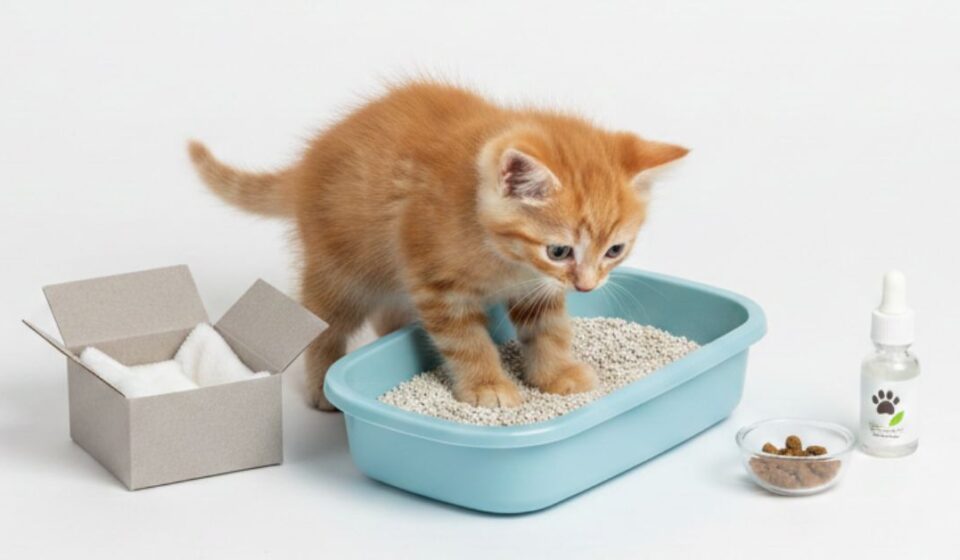

Bringing a kitten home transforms the rhythm of a household almost instantly. The tiny paws, the playful energy, and the constant curiosity create a sense of warmth that few experiences can match. Yet alongside the excitement comes a practical responsibility that shapes daily life from the very beginning. Learning how to litter train a kitten correctly is one of the first and most essential milestones in early pet care.
Kittens are naturally inclined toward cleanliness. In the wild, feline mothers teach their young to eliminate in soft, diggable surfaces. This instinct becomes the foundation for successful litter habits in a home environment. With the right approach, most kittens adapt quickly, often within days. However, success depends heavily on timing, setup, and consistent guidance.
Early litter training does more than prevent messes. It builds trust between kitten and owner, reduces stress, and sets a lifelong behavioral pattern. A well trained kitten develops confidence and routine, while improper guidance can lead to persistent litter training problems later. Clear methods, structured kitten litter training steps, and an effective litter box setup guide ensure a smooth transition from confusion to habit.
Why Early Litter Training Matters
Building Strong Behavioral Foundations
A kitten’s early weeks are critical for learning patterns. Between eight and twelve weeks of age, kittens absorb environmental cues rapidly. Introducing consistent litter training steps during this phase makes the process significantly easier. Waiting too long can allow unwanted habits to form.
Cats are creatures of repetition. Once a bathroom location is established in their mind, it becomes their preferred elimination spot. That is why immediate, structured training is crucial.
Preventing Future Litter Training Problems
Inconsistent training often results in avoidable complications such as:
- Repeated accidents in corners
- Avoidance of the litter box
- Elimination on soft surfaces such as carpets
- Anxiety associated with bathroom routines
A structured approach minimizes these risks and reduces the need for correcting kitten accidents later.
Preparing Before the Kitten Arrives
The Ideal Litter Box Setup Guide
The physical environment plays a decisive role in how to litter train a kitten successfully. The litter box should feel safe, accessible, and inviting.
Choosing the Right Litter Box
For young kittens, simplicity is best. Select:
- A low entry box for easy access
- An open design rather than covered
- A size that allows turning and digging comfortably
High sided or covered boxes can intimidate small kittens, especially during first time kitten tips and initial training.
Selecting the Right Litter
Texture matters more than scent. Most kittens prefer:
- Unscented clumping litter
- Fine texture similar to sand
- Dust free formulas
Strong fragrances can discourage use. Since kittens rely heavily on scent recognition, neutral environments are safer.
Step by Step Kitten Litter Training Steps
Step One: Immediate Introduction
Upon arriving home, place the kitten directly into the litter box. Gently allow them to sniff and explore. Even if elimination does not occur immediately, this establishes the location.
Repeat this placement:
- After meals
- After naps
- After play sessions
These are natural elimination triggers.
Step Two: Positive Reinforcement
When the kitten uses the litter box successfully:
- Offer gentle praise in a calm tone
- Provide soft petting
- Maintain a relaxed atmosphere
Avoid loud excitement, which may startle them.
Step Three: Supervised Exploration
During the first few days, limit access to a smaller area of the home. Large spaces increase the chance of confusion. A confined area near the litter box accelerates habit formation.
Step Four: Gentle Redirection
If signs of elimination appear outside the box such as sniffing, scratching, or circling, calmly move the kitten to the litter box. Do not scold or raise your voice. Fear disrupts training.
Understanding Natural Kitten Behavior
Instinct to Dig and Cover
Felines instinctively bury waste to avoid attracting predators. Encouraging digging behavior reinforces their natural inclination.
If a kitten does not cover waste:
- Lightly demonstrate digging motion with fingers
- Ensure the litter depth is about two inches
Scent Association
Cats return to familiar scents. If an accident occurs:
- Clean thoroughly with enzyme based cleaners
- Avoid ammonia products
- Remove all odor traces
This reduces repeat accidents in the same spot.
Handling Kitten Accidents Fix Strategies
Even with careful planning, accidents happen. The key is correction without punishment.
Why Punishment Fails
Raising voices or rubbing a kitten’s nose in the accident area causes:
- Fear
- Avoidance of humans
- Increased anxiety
- More litter training problems
Behavioral research shows that positive reinforcement creates stronger long term compliance than fear based reactions.
Correct Cleaning Protocol
Use enzyme cleaners designed for pet odors. These break down odor molecules rather than masking them.
Blot instead of scrubbing to prevent scent spreading. Ensure the area dries completely before allowing the kitten near it again.
Common Litter Training Problems and Solutions
Refusing the Litter Box
Possible causes include:
- Box too small
- Litter texture disliked
- Box placed in noisy location
- Infrequent cleaning
Cats prefer privacy and cleanliness. Daily scooping is essential.
Eliminating Beside the Box
Often indicates:
- Box not clean
- Entry too high
- Fear of enclosed space
- Stress in environment
Adjusting setup often resolves the issue quickly.
Sudden Regression
If a kitten suddenly stops using the box after initial success, evaluate environmental changes such as:
- New pets
- Rearranged furniture
- Loud construction noise
Stability is critical during early training phases.
Ideal Litter Box Placement
Location affects consistency significantly.
Recommended Placement
- Quiet area with low foot traffic
- Away from feeding station
- Easily accessible without stairs
Cats prefer separation between eating and elimination spaces.
Multi Level Homes
Place at least one litter box per level. Young kittens may struggle with stairs during early weeks.
Feeding Schedule and Bathroom Routine
A predictable feeding routine helps regulate elimination timing.
Why Scheduled Feeding Helps
Free feeding makes elimination unpredictable. Scheduled meals allow monitoring and timely litter box placement.
Typical elimination occurs:
- Ten to twenty minutes after eating
- Immediately after waking
- After intense play
Monitoring these windows improves training speed.
Litter Maintenance Standards
Cleanliness directly influences success in how to litter train a kitten effectively.
Daily Maintenance Checklist
| Task | Frequency | Importance Level |
|---|---|---|
| Scoop waste | Once or twice daily | High |
| Check litter depth | Daily | Moderate |
| Replace litter fully | Weekly | High |
| Wash litter box | Weekly | High |
Dirty boxes are one of the leading causes of litter avoidance.
First Time Kitten Tips for Faster Success
Keep the Environment Calm
Loud noises and frequent visitors can overwhelm a young kitten. A stable environment builds security and speeds learning.
Observe Body Language
Signs a kitten needs the litter box include:
- Sniffing corners
- Pawing at floors
- Sudden stillness
- Circling behavior
Immediate guidance reinforces correct placement.
Consistency Is Critical
Changing litter type or box location repeatedly confuses kittens. Once a system works, maintain it.
Transitioning to Advanced Habits
As kittens mature, habits strengthen.
Introducing Covered Boxes
After consistent usage for several weeks, a covered box may be introduced if desired. Monitor acceptance carefully.
Increasing Space Access
Gradually expand accessible areas of the home once litter habits are stable for at least one week without accidents.
Addressing Multi Cat Homes
If multiple kittens or cats share space, provide one litter box per cat plus one additional box. Competition or territorial behavior can cause avoidance if resources are limited.
Psychological Factors in Litter Training
Stress Impact
Stress elevates cortisol levels, which can disrupt elimination behavior. Maintaining routine lowers stress responses.
Security and Attachment
A kitten that feels safe in its environment adapts more quickly. Gentle interaction, consistent feeding, and predictable routines contribute to successful litter training.
Timeline Expectations
Most kittens learn basic litter habits within:
- Two to three days with close supervision
- One week with moderate supervision
Consistency determines speed more than age.
When Challenges Persist
If consistent litter training steps fail despite proper setup and maintenance, behavioral evaluation may be necessary. Chronic avoidance is rare but possible if early guidance was inconsistent.
A Confident Start for Lifelong Clean Habits
Successful litter training is not a complicated science. It is a combination of instinct, structure, patience, and environmental design. When the litter box setup guide aligns with natural feline behavior, the process becomes surprisingly smooth. Most kittens want to be clean and organized. Guidance simply channels that instinct into a reliable routine.
Consistency remains the cornerstone of how to litter train a kitten effectively. Calm redirection, regular cleaning, and predictable feeding schedules build clarity in the kitten’s mind. Early supervision prevents the formation of unwanted patterns and eliminates the need for corrective measures later.
A well trained kitten grows into a confident adult cat with stable bathroom habits. The investment of attention during the first days at home pays dividends for years. Clean spaces, reduced stress, and harmonious living begin with structured kitten litter training steps that respect natural instincts and provide clear direction from the very beginning.
Frequently Asked Questions
1. At what age should litter training begin?
Training can begin as early as three to four weeks, though most kittens adapt quickly at eight weeks.
2. How long does it take to litter train a kitten?
Most kittens learn within a few days when supervised consistently.
3. Should scented litter be used?
Unscented litter is generally preferred to avoid overwhelming the kitten.
4. How deep should litter be?
Approximately two inches allows proper digging without difficulty.
5. What if the kitten plays in the litter box?
Temporary exploration is normal. Gentle redirection during play reduces this behavior.
6. How many litter boxes are needed for one kitten?
At least one box per kitten, placed in a quiet accessible area.
7. Why does a kitten scratch the floor instead of using the box?
This may signal dislike of litter texture or box location.
8. Should the litter box be placed near food?
No. Cats prefer separation between eating and elimination areas.
9. Is it normal for accidents to occur in the first week?
Yes. Early accidents are common during adjustment.
10. Can litter box habits change as the kitten grows?
Yes. Preferences may evolve, so periodic adjustments may be necessary.