
Food bowls should signal nourishment and routine, yet for some households they become a source of tension. A dog growling at food or stiffening when someone approaches the bowl can create anxiety that affects the entire home. Food aggression in dogs is not a sign of a bad temperament. It is a behavior rooted in instinct, learning history, and environmental factors.
Domesticated dogs share ancestry with wolves, where access to food once meant survival. Although modern pets live in secure homes, remnants of resource protection can surface under certain conditions. The good news is that structured resource guarding training and consistent dog behavior training techniques can significantly reduce and even eliminate food related aggression.
A calm feeding environment strengthens trust between dogs and their families. By applying safe feeding methods, clear communication, and evidence based aggression correction tips, lasting behavioral improvement becomes achievable. The following comprehensive guide explains how to stop food aggression in dogs while promoting safety, confidence, and long term behavioral stability.
What Food Aggression Really Means
Food aggression is a form of resource guarding. Resource guarding refers to defensive behavior displayed when a dog perceives a valued item as threatened. Food, treats, bones, and even empty bowls can trigger this reaction.
Signs of Resource Guarding
Recognizing early signals prevents escalation. Common indicators include:
- Stiff body posture while eating
- Freezing when someone approaches
- Lip lifting or showing teeth
- Low growling
- Snapping or biting
- Eating faster than usual
- Blocking access to the bowl
A dog growling at food is communicating discomfort, not malice. Punishment often intensifies the behavior because it confirms the dog’s fear of losing resources.
Why It Develops
Several factors contribute to food aggression in dogs:
- Early competition for food among littermates
- History of food scarcity
- Shelter environments with high competition
- Inconsistent feeding routines
- Anxiety or insecurity
- Lack of structured dog behavior training
A 2020 survey published in the Journal of Veterinary Behavior indicated that resource guarding behaviors appear in approximately 20 to 30 percent of companion dogs at some point in their lives. Early intervention dramatically improves outcomes.
Types of Food Aggression
Food aggression presents differently depending on context and severity.
Mild
Growling or stiffening without escalation. The dog allows approach but appears tense.
Moderate
Snapping in the air, lunging, or guarding empty bowls after meals.
Severe
Biting when approached, guarding multiple resources, or reacting unpredictably.
Severity determines the pace and structure of resource guarding training. Severe cases may require a certified behavior professional for safety.
The Psychology Behind Guarding
Dogs do not guard food because they want dominance. Modern canine behavioral science rejects outdated dominance theories in household settings. Instead, guarding is rooted in fear of loss.
When someone approaches the bowl and removes it or scolds the dog, the dog learns that humans equal loss. Over time, defensive responses intensify. Effective aggression correction tips focus on changing the emotional association rather than suppressing the warning signs.
Foundational Safety First
Before beginning structured dog behavior training, safety protocols should be in place.
Separate Feeding Areas
If multiple dogs are present, feed them in different rooms. Competition increases guarding behavior.
Supervise Children
Children should never approach a dog while eating. Education about respectful boundaries prevents accidental triggers.
Avoid Punishment
Yelling, hitting, or forcibly removing food can escalate aggression. Calm, controlled training creates better outcomes.
Step by Step Resource Guarding Training
Step 1: Establish Predictable Feeding Routines
Dogs feel secure with consistency. Feed at the same times each day in the same location. Predictability lowers anxiety.
Step 2: Create Positive Associations
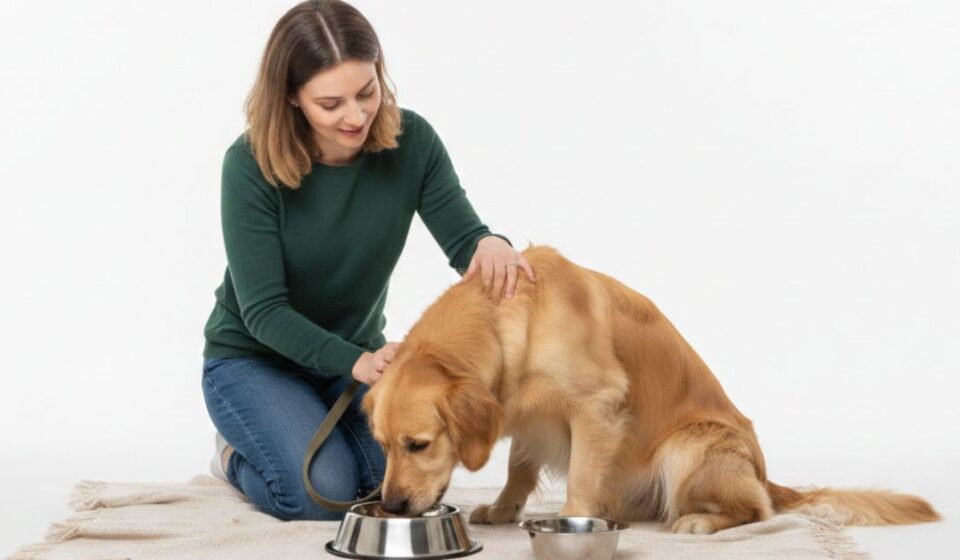
Stand at a comfortable distance while the dog eats. Toss a high value treat toward the bowl. Walk away. This teaches the dog that approach equals added value, not loss.
Gradually decrease distance over several sessions. The dog should remain relaxed at each stage before progressing.
Step 3: Hand Feeding Exercises
Hand feeding builds trust. Offer portions of meals directly from the hand in a calm setting. This method reinforces the idea that people provide food rather than take it away.
Step 4: Trade Up Technique
Offer a higher value treat in exchange for a lower value item. For example, present cooked chicken in exchange for a chew toy. This reinforces cooperation and reduces guarding intensity.
Step 5: Touch and Add
Once the dog remains relaxed during approach, gently touch the bowl and immediately add a treat. Repeat consistently. Over time, the dog associates human interaction with positive outcomes.
Safe Feeding Methods That Reduce Aggression
Feeding strategies play a significant role in stopping food aggression in dogs.
Controlled Portions
Free feeding can increase possessiveness. Scheduled portion feeding promotes structure.
Puzzle Feeders
Food dispensing toys encourage mental engagement and reduce stress. Mental stimulation decreases anxiety driven behaviors.
Calm Environment
Avoid feeding near high traffic areas. Excess stimulation can heighten defensive responses.
Slow Feeding Bowls
Dogs that eat rapidly may feel competitive. Slow feeders encourage relaxed consumption.
Common Mistakes That Reinforce Guarding
Understanding what not to do is equally important.
Taking the Bowl Away Randomly
Removing food without positive reinforcement increases fear.
Forcing Physical Correction
Physical confrontation may suppress growling temporarily but increases bite risk later.
Ignoring Early Signs
Growling is communication. Suppressing it eliminates warning signs, making bites more likely.
Inconsistent Rules
Allowing approach sometimes and scolding other times creates confusion and anxiety.
Food Aggression in Puppies
Early intervention yields the strongest results.
Socialization Matters
Puppies exposed to positive human interaction during feeding develop lower guarding tendencies.
Structured Handling Exercises
While the puppy eats, gently touch paws or ears and reward with added treats. This builds tolerance to proximity.
Avoid Food Teasing
Intentionally provoking guarding for training purposes increases defensive instincts.
Multi Dog Households
Competition amplifies resource guarding.
Individual Feeding Zones
Each dog should have a separate feeding space.
Remove Bowls After Meals
Lingering empty bowls can trigger possessive behavior.
Monitor Hierarchies Carefully
Dogs do not need forced dominance structures, but observation of subtle tension helps prevent escalation.
Behavioral Modification Timeline
Stopping food aggression in dogs requires patience. Results vary depending on severity and consistency.
| Stage | Expected Timeframe | Goal |
|---|---|---|
| Initial Trust Building | 1 to 2 weeks | Reduced tension during approach |
| Positive Association Phase | 2 to 4 weeks | Relaxed body language |
| Advanced Handling | 4 to 8 weeks | Comfortable bowl interaction |
| Maintenance | Ongoing | Consistent calm feeding behavior |
Progress may accelerate with structured dog behavior training programs and reinforcement consistency.
When Professional Help Is Necessary
Severe aggression that includes biting requires expert evaluation. Certified applied animal behaviorists and veterinary behavior specialists assess underlying triggers and create customized resource guarding training plans.
Behavior modification works best when early warning signs are addressed before escalation.
Aggression Correction Tips That Work
Reinforce Calm Behavior
Reward relaxed posture near food.
Use High Value Rewards
Chicken, cheese, or favorite treats strengthen new associations.
Short Training Sessions
Five to ten minute sessions prevent overstimulation.
Stay Neutral
Calm tone and posture reduce perceived threat.
Emotional Impact on the Household
Food aggression can create stress within families. Anxiety during feeding time affects human behavior as well. Clear training structure reduces uncertainty and builds confidence for both dog and household members.
Consistency is more effective than intensity. Dogs thrive under predictable patterns.
Scientific Perspective on Behavior Change
Modern canine behavioral science emphasizes classical conditioning and operant conditioning principles.
Classical conditioning changes emotional response. When human approach consistently predicts added rewards, fear shifts toward anticipation.
Operant conditioning reinforces voluntary calm behavior. Rewarding relaxed posture increases the likelihood of repetition.
These frameworks form the backbone of effective dog behavior training and resource guarding training.
Long Term Maintenance
Even after improvement, maintenance strategies remain essential.
- Maintain feeding schedules
- Avoid unnecessary bowl removal
- Continue occasional positive association exercises
- Monitor stress changes such as moving homes or adding pets
Behavior is dynamic. Stability in routine prevents regression.
A Calm Bowl Creates a Calm Bond
Food aggression in dogs can feel intimidating, yet it remains one of the most responsive behavioral issues when addressed with patience and strategy. Structured resource guarding training reshapes emotional responses rather than suppressing warning signals. Safe feeding methods combined with consistent dog behavior training build trust that extends beyond mealtime.
Dogs thrive in predictable environments where human approach signals security rather than threat. With calm repetition, positive reinforcement, and respect for canine communication, mealtime can transform from a point of tension into a foundation of confidence. Lasting behavioral change does not rely on force. It relies on clarity, stability, and empathy grounded in sound behavioral science.
Frequently Asked Questions
1. Why is a dog growling at food suddenly?
Sudden guarding may result from environmental stress, changes in routine, or perceived competition.
2. Can food aggression in dogs be cured completely?
Most cases improve significantly with structured resource guarding training and consistency.
3. Should growling be punished?
No. Growling is communication. Suppression increases bite risk.
4. How long does it take to stop food aggression in dogs?
Mild cases may improve within weeks. Severe cases require longer structured intervention.
5. Is food aggression genetic?
Genetics may influence temperament, but environment and training play major roles.
6. Can older dogs learn new behavior patterns?
Yes. Adult dogs respond well to consistent dog behavior training techniques.
7. Does hand feeding always help?
Hand feeding is effective when introduced gradually and safely.
8. Should children participate in training?
Children should not directly participate in early stages. Adult supervision is essential.
9. Are certain breeds more prone to guarding?
Any breed can display guarding behavior. Individual experience is more predictive than breed.
10. Can stress worsen food aggression?
Yes. Anxiety, illness, or environmental changes can intensify guarding behaviors.