

Bringing a new puppy home fills a household with energy, curiosity, and constant movement. Beneath the excitement, however, lies a critical responsibility that shapes a puppy’s long term health and safety. A carefully structured puppy vaccination schedule protects against serious diseases that remain prevalent across the United States. Early immunization does more than prevent illness. It establishes a foundation for a strong immune system during the most vulnerable stage of life.
Veterinary science has advanced significantly over the past several decades. Today, structured puppy shots timeline protocols are backed by extensive clinical research and public health data. According to the American Veterinary Medical Association and the American Animal Hospital Association, timely administration of core vaccines dogs require dramatically reduces the incidence of life threatening infectious diseases such as parvovirus, distemper, and rabies. In many states, compliance with rabies vaccine puppy regulations is also a legal requirement.
A clearly organized puppy vaccination schedule chart simplifies decision making for new dog owners. It offers clarity on timing, expected dog vaccine cost, and the distinction between core and non core vaccines. With proper planning and veterinary guidance, this early investment safeguards not only the puppy but also other pets and people within the community.
Why Puppy Vaccination Matters
Vaccination remains one of the most effective preventive health measures in veterinary medicine. Puppies are born with temporary immunity passed from their mother. This maternal immunity fades between six and twelve weeks of age. During this transitional window, puppies become highly susceptible to contagious pathogens.
Core vaccines dogs receive protect against diseases that are widespread, highly contagious, and potentially fatal. These include canine distemper virus, canine adenovirus, canine parvovirus, and rabies. Rabies remains particularly significant because it is zoonotic, meaning it can transmit to humans.
Without an appropriate puppy shots timeline, exposure to contaminated environments such as parks, sidewalks, or even shared water bowls can result in severe illness. Parvovirus, for example, can survive in soil for months. Vaccination drastically reduces the likelihood of infection and severe complications.
Core Vaccines Dogs Require
Veterinary guidelines categorize vaccines into core and non core groups. Core vaccines are universally recommended for nearly all puppies, regardless of breed or lifestyle.
Distemper
Canine distemper affects the respiratory, gastrointestinal, and nervous systems. It spreads through airborne exposure and shared surfaces. Mortality rates can be high in unvaccinated puppies.
Parvovirus
Parvovirus is a highly contagious virus that attacks rapidly dividing cells, particularly in the intestines. Severe vomiting, diarrhea, dehydration, and shock may occur. Treatment often requires intensive hospitalization.
Adenovirus
Canine adenovirus protects against infectious canine hepatitis. It impacts liver function and can cause systemic illness.
Rabies Vaccine Puppy Requirement
Rabies vaccination is legally mandated in most US states. The rabies vaccine puppy dose is typically administered around twelve to sixteen weeks of age, depending on state law and veterinary guidance. Rabies remains fatal once symptoms develop, which makes prevention through vaccination essential.
Puppy Shots Timeline Explained
The puppy vaccination schedule generally begins at six to eight weeks of age and continues until approximately sixteen weeks. Booster doses are necessary because maternal antibodies can interfere with early vaccine response. Repeated administration ensures adequate immune stimulation.
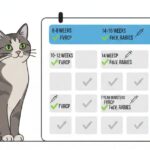
Below is a structured puppy vaccination schedule chart designed for clarity.
Puppy Vaccination Schedule Chart
| Puppy Age | Core Vaccines | Optional Vaccines | Notes |
|---|---|---|---|
| 6 to 8 weeks | DHPP first dose | Bordetella | Initial immune priming |
| 9 to 11 weeks | DHPP second dose | Leptospirosis | Booster strengthens immunity |
| 12 to 16 weeks | DHPP third dose, Rabies | Lyme based on region | Rabies required by law in many states |
| 12 months | DHPP booster, Rabies booster | As advised | Annual or triannual schedule begins |
DHPP stands for distemper, hepatitis from adenovirus, parvovirus, and parainfluenza.
A vaccination chart printable version of this table can be saved and kept in a health binder to track appointments and booster dates.
Non Core Vaccines Based on Risk
Not all puppies require the same additional vaccines. Geographic region, lifestyle, and exposure risk determine the need for non core vaccines.
Bordetella
Commonly referred to as kennel cough protection, Bordetella vaccination is recommended for puppies attending grooming facilities, daycare, or boarding environments.
Leptospirosis
Leptospirosis spreads through contaminated water and wildlife urine. It poses risk in both rural and urban settings.
Lyme Disease
Lyme vaccination may be recommended in areas where tick populations are high.
Consultation with a licensed veterinarian ensures that risk factors are properly evaluated without over vaccination.
Dog Vaccine Cost Breakdown
Understanding dog vaccine cost helps families plan financially. Costs vary by region, clinic type, and whether vaccines are administered individually or as combination packages.
Average US cost estimates include:
| Vaccine | Average Cost Range |
|---|---|
| DHPP combination | 20 to 50 dollars per dose |
| Rabies | 15 to 30 dollars |
| Bordetella | 20 to 40 dollars |
| Leptospirosis | 20 to 40 dollars |
| Lyme | 20 to 45 dollars |
Full puppy vaccination series costs may range between 75 and 200 dollars, depending on provider and region. Low cost community clinics and animal shelters may offer reduced pricing.
While the upfront expense may seem substantial, treatment costs for preventable diseases often reach thousands of dollars. Preventive vaccination remains significantly more economical.
Timing and Booster Importance
Immunity from early vaccines does not last indefinitely. Booster doses at one year of age are necessary to reinforce immune memory. After that, boosters may follow annual or three year intervals depending on vaccine type and veterinary protocol.
Skipping booster appointments increases vulnerability. Accurate record keeping through a vaccination chart printable system ensures no dose is overlooked.
Legal and Public Health Considerations
Rabies vaccination compliance is legally enforced in most states. Failure to vaccinate may result in fines or quarantine if exposure occurs. Rabies control programs across the United States have dramatically reduced human cases due to consistent vaccination of domestic animals.
Public health agencies emphasize responsible ownership through immunization adherence. This collective compliance reduces outbreaks and protects communities.
Socialization and Vaccination Balance
Early socialization plays a critical role in behavioral development. However, exposure before full vaccination increases infection risk. Veterinarians often recommend controlled environments until the puppy shots timeline is complete.
Safe socialization settings include:
- Interaction with vaccinated adult dogs
- Clean indoor environments
- Puppy classes that require proof of vaccination
Balancing behavioral development with disease prevention requires thoughtful scheduling.
Signs of Mild Post Vaccination Reactions
Most puppies tolerate vaccines well. Mild reactions may include temporary lethargy, slight swelling at the injection site, or low grade fever. These symptoms typically resolve within twenty four to forty eight hours.
Severe reactions are rare but require immediate veterinary attention. Monitoring for unusual symptoms after vaccination ensures safety.
Record Keeping and Long Term Planning
Maintaining organized records supports travel requirements, boarding, grooming services, and compliance with housing regulations. Many states require proof of rabies vaccination for licensing.
Digital storage combined with a vaccination chart printable copy provides redundancy and convenience.
Long term health planning also includes routine wellness examinations. Vaccination visits offer opportunities for growth assessment, parasite screening, and nutritional guidance.
Herd Immunity and Community Protection
High vaccination rates create indirect protection known as herd immunity. When a majority of dogs are immunized, disease transmission declines significantly. This protects puppies too young for full vaccination and immunocompromised animals.
Epidemiological data consistently show that regions with strong compliance experience fewer outbreaks of parvovirus and distemper. Responsible adherence to a puppy vaccination schedule contributes to broader public health stability.
Key Takeaways at a Glance
- Core vaccines dogs require include distemper, parvovirus, adenovirus, and rabies
- The puppy shots timeline typically spans six to sixteen weeks
- Rabies vaccine puppy administration is legally mandated in most states
- Dog vaccine cost is significantly lower than disease treatment expenses
- A vaccination chart printable guide improves compliance and record accuracy
Final Thoughts
Early life decisions shape a dog’s lifelong health trajectory. A well structured puppy vaccination schedule remains one of the most impactful preventive measures available in veterinary medicine. Beyond individual protection, immunization strengthens community disease control efforts and supports public health safety standards.
Financial planning, organized record keeping, and adherence to the puppy shots timeline collectively reduce risk and long term medical costs. The rabies vaccine puppy requirement underscores the intersection between animal health and human safety. Core vaccines dogs receive represent decades of scientific advancement and epidemiological research.
Responsible vaccination is not simply a routine appointment. It is a proactive commitment to resilience, longevity, and responsible ownership. By maintaining an accurate vaccination chart printable guide and collaborating closely with a licensed veterinarian, families provide puppies with a protected beginning and a healthier future.
Frequently Asked Questions
1. At what age should a puppy begin vaccinations?
Vaccinations typically begin between six and eight weeks of age.
2. How many rounds of vaccines does a puppy need?
Most puppies require three to four rounds of core vaccines before sixteen weeks.
3. Is rabies vaccination mandatory?
Yes, rabies vaccination is legally required in most US states.
4. What happens if a booster is missed?
A veterinarian may recommend restarting or adjusting the schedule depending on the delay.
5. Can puppies go outside before full vaccination?
Limited exposure in controlled environments is generally recommended until completion of the puppy shots timeline.
6. Are combination vaccines safe?
Combination vaccines such as DHPP are widely used and considered safe under veterinary supervision.
7. How long do puppy vaccines last?
Initial protection requires a booster at one year, followed by one to three year intervals depending on vaccine type.
8. Does pet insurance cover vaccines?
Many wellness plans include routine vaccination coverage, though policies vary.
9. Are small breeds vaccinated differently?
The vaccine type remains consistent, though dosing and monitoring may vary slightly.
10. Why is parvovirus so dangerous?
Parvovirus attacks the intestinal lining, leading to severe dehydration and potentially fatal complications in unvaccinated puppies.