
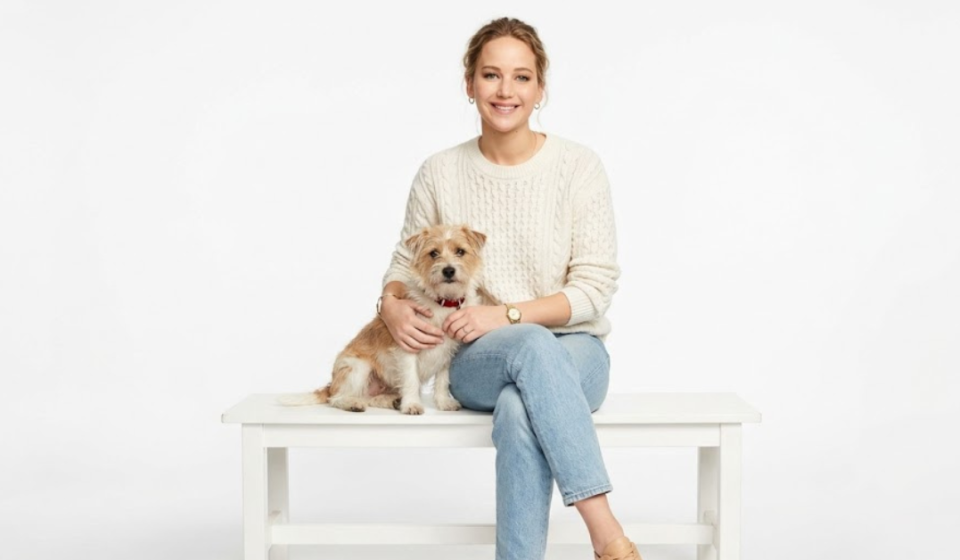

Jennifer Lawrence recently shared details from her life as a mother that have prompted many conversations about pets and family priorities. During a question and answer session for her film the actress addressed a simple query about whether she preferred dogs or cats. What followed was an unexpectedly candid discussion about her Chihuahua named Princess Pippi Longstocking whom she had adopted years earlier.
The Oscar winning star explained that the small dog now lives comfortably with her parents. Lawrence emphasized that the animal remains healthy and well cared for in this new arrangement. Her words reflected the emotional weight of such a decision while underscoring how life transitions can reshape even the strongest bonds with pets.
This revelation comes at a time when many households grapple with similar adjustments. Lawrence and her husband Cooke Maroney are raising two young sons and the arrival of children shifted her entire perspective on animals in the home. The story serves as a powerful entry point into broader reflections on what responsible pet parenting truly demands in modern families.
Jennifer Lawrence Decision Highlights Real Life Adjustments
The actress adopted Princess Pippi Longstocking in two thousand seventeen and the dog became a constant companion in her New York residence. Lawrence went to great lengths to ensure the Chihuahuas comfort including choosing an apartment location right beside Central Park. Despite these efforts the dog never fully adapted to urban surroundings.
Once her first son Cy arrived and a second boy followed the dynamics changed dramatically. Lawrence described how dogs suddenly appeared threatening in her eyes. She recounted an incident where another dog bit her child which intensified her protective instincts to an extreme degree. In her own words after having a kid dogs became so scary and she viewed them as a potential threat to her family.
The star noted that her son would approach animals and she no longer recognized the familiar pets around her. One of them bit my son and that just made me want to obliterate every dog ever she said during the session while acknowledging the strong emotions involved. Rather than risk any issues she chose to rehome the dog within her immediate family circle. The Chihuahua now thrives with her parents and Lawrence confirmed the animal is alive and content.
Understanding Shifts in Pet and Child Relationships
Many families experience similar transformations when children enter the picture. What once felt like a perfect match between a pet and its owners can evolve into a source of stress or concern. Young kids move quickly and unpredictably which can unsettle even calm animals. Parents often find themselves hyper aware of potential risks as their protective role expands.
Studies from organizations tracking household trends show that safety ranks high among reasons parents hesitate to keep pets once children arrive. In one national poll nearly forty percent of families without animals cited concerns for child wellbeing as a major factor. These numbers reflect a common reality rather than any failure on the part of owners or pets.
Lawrence story illustrates how even devoted pet parents can reach this crossroads. The actress had provided top level care for years yet the combination of the dogs city discomfort and her new maternal instincts tipped the balance. Such honest admissions help normalize the conversation around evolving family needs.
Key Factors Pet Parents Must Weigh Before Adoption
Prospective owners benefit from thorough self assessment long before bringing an animal home. Lifestyle compatibility stands as the foundation of success. Urban dwellers like Lawrence must consider space noise levels and daily routines that suit the breed temperament. Chihuahuas for instance often thrive in quieter settings despite their small size.
Financial readiness plays an equally critical role. Veterinary care food training and unexpected health issues add up quickly. Families should map out these costs against their budget to avoid future strain.
Time availability matters just as much. Pets require consistent interaction exercise and attention. When careers or family expansions demand more hours the imbalance can grow uncomfortable for everyone involved.
Recognizing Signs That a Change May Be Needed
Subtle cues often appear before major problems arise. Pets may show increased anxiety through pacing hiding or changes in appetite. Children might display fear or avoidance around the animal which signals mismatched energy levels.
Parents sometimes notice heightened stress in their own daily management of both kids and pets. When supervision becomes constant and exhausting rather than joyful the household harmony suffers. Lawrence described this exact shift after her sons arrived when everyday interactions with dogs turned into sources of worry.
Ignoring these signals rarely helps. Proactive evaluation allows for better outcomes including rehoming if necessary. Responsible pet parenting means prioritizing the wellbeing of all family members including the animal.
Approaching Rehoming With Care and Responsibility
When rehoming becomes the best path families can follow structured steps to minimize disruption. First assess whether the current issues stem from temporary phases or deeper mismatches. Consulting professionals such as trainers or behaviorists can clarify options.
Next explore internal solutions like placing the pet with trusted relatives. Lawrence chose exactly this route by sending her dog to her parents where familiar care continued seamlessly. This approach keeps the animal within a loving network and reduces the trauma of complete separation.
If external placement is required thorough screening of new homes ensures compatibility. Detailed contracts and follow up visits protect the pets future. Organizations dedicated to animal welfare recommend these practices to uphold ethical standards.
Here is a clear overview of essential steps presented in table form for easy reference.
| Step Number | Action Description | Why It Matters |
|---|---|---|
| One | Evaluate all household needs honestly | Prevents rushed choices and identifies root causes early |
| Two | Consult experts for behavior insights | Uncovers training solutions before final decisions |
| Three | Prioritize family or known contacts for placement | Maintains continuity and emotional stability for the pet |
| Four | Screen new homes thoroughly with contracts | Guarantees long term safety and proper care |
| Five | Provide full medical and history records | Helps the pet transition smoothly into its new environment |
Benefits That Come From Thoughtful Pet Ownership
When families align their choices with realistic expectations the rewards multiply. Children learn empathy responsibility and compassion through daily interactions with animals. These lessons build lasting character traits that extend far beyond childhood.
Adults gain companionship and stress relief from well matched pets. Research indicates that properly integrated animals contribute to lower anxiety levels and stronger family bonds. The key lies in preparation and ongoing adaptation rather than assuming a one size fits all solution.
Lawrence initial commitment to her dog demonstrated genuine care. She adjusted her living space and routine for years before circumstances required a new plan. Her example reminds everyone that responsible pet parenting includes the courage to make difficult adjustments when needed.
Challenges Modern Families Face in Pet Management
Urban lifestyles compress space and schedules in ways that challenge even dedicated owners. Noise from city environments can overwhelm sensitive breeds while work demands limit exercise time. Lawrence experienced this firsthand despite her best efforts near Central Park.
Child safety concerns rise naturally as toddlers explore their world. Parents must constantly monitor interactions which can exhaust everyone. The actress spoke openly about how these instincts overpowered her previous comfort level with dogs.
Economic pressures add another layer. Rising costs for pet care coincide with family expenses making tough choices more common. National surveys reveal that hassle and financial strain rank among top reasons households reconsider pet arrangements.
Myths Surrounding Rehoming Decisions
One persistent misconception suggests that rehoming equals abandonment or lack of love. In truth many owners like Lawrence act from deep affection by securing better environments for their pets. The dog continues to receive excellent care in her new home with family.
Another myth claims only irresponsible people face such situations. Reality shows that life events including job changes moves or family growth affect even the most committed parents. Lawrence balanced a demanding career and motherhood which required honest prioritization.
Long Term Perspectives on Pet Family Harmony
Sustainable pet parenting demands flexibility across all life stages. What works beautifully during single adulthood may need reevaluation with children or aging relatives. Regular check ins with family members help catch evolving needs before crises develop.
Communities and resources now offer more support than ever for navigating these transitions. Training programs online guidance and local networks empower owners to make informed choices.
Lawrence story contributes to this growing awareness. By sharing her experience publicly she encourages others to approach pet ownership with the same honesty and care she demonstrated throughout.
Key Conclusion and Analysis
Jennifer Lawrence decision to rehome her dog after becoming a mother offers far more than celebrity gossip. It serves as a mirror for countless households balancing love for animals with the practical realities of raising children. Her willingness to speak openly about the discomfort the lifestyle mismatch and the protective instincts that emerged reveals the depth of thought required in true responsible pet parenting.
Families everywhere can draw strength from this example knowing that prioritizing safety and harmony for all members including pets reflects maturity rather than failure. As life continues to evolve thoughtful adjustments like the one Lawrence made keep bonds intact in new forms and remind everyone that compassion extends to making hard choices with care.
The conversation she started encourages ongoing reflection on what it truly means to welcome animals into our homes and adapt as those homes grow and change.
Frequently Asked Questions
What prompted Jennifer Lawrence to rehome her dog?
The actress cited her Chihuahuas discomfort with New York living combined with heightened safety concerns after her sons arrived.
Did the dog bite her child?
No reports indicate Princess Pippi Longstocking caused any incident. Another dog bit her son which altered Lawrence overall view of pets.
Where does the dog live now?
Princess Pippi Longstocking resides happily with Jennifer Lawrence parents ensuring continued family connection.
Is rehoming common after having children?
Yes many families reassess pet arrangements when young kids introduce new safety and time demands.
What makes a pet and child match successful?
Compatible energy levels consistent training and ample supervision create positive environments for both.
How can parents prepare for pets before expanding their family?
Thorough research breed selection and trial periods help gauge long term fit.
What alternatives exist before rehoming?
Professional training behavior modification and schedule adjustments often resolve issues without separation.
Does rehoming damage a pets wellbeing?
When handled responsibly with familiar placements or screened homes animals adapt well and thrive.
How do celebrities influence pet parenting views?
Public figures like Lawrence spark important discussions that encourage honest evaluation among everyday owners.
What resources support responsible pet decisions?
Veterinarians trainers rescue organizations and family counseling provide guidance tailored to specific situations.