

Indoor cats often appear sheltered from the outside world, resting peacefully on sunny windowsills and living far from neighborhood strays. That quiet lifestyle creates a common assumption that vaccination is only necessary for cats that roam outdoors. Yet veterinary data and infectious disease research continue to show that indoor cats remain vulnerable to preventable illnesses.
Viruses can enter a home through shoes, clothing, open windows, shared airspaces in apartment buildings, and even brief boarding stays. Some pathogens survive on surfaces for extended periods, increasing the likelihood of indirect exposure. This reality has led major veterinary authorities such as the American Veterinary Medical Association and the American Association of Feline Practitioners to recommend a structured indoor cat vaccination schedule for most household cats.
A well planned vaccination strategy protects not only individual pets but also the broader feline population. Core vaccines cats receive are designed to prevent severe, highly contagious diseases that can lead to hospitalization or long term complications. A thoughtful cat vaccine timeline supports lifelong immunity, reduces outbreak risks, and ensures indoor cats maintain optimal health throughout kittenhood, adulthood, and senior years.
Why Vaccination Matters for Indoor Cats
Hidden Exposure Risks
Many owners ask, do indoor cats need vaccines if they never step outside. Scientific consensus indicates that they do. Infectious agents such as feline panleukopenia virus can survive in the environment for months. Viral particles may travel on clothing or be introduced through visitors who have handled other cats.
Multi unit housing adds another layer of risk. Shared hallways, ventilation systems, and maintenance visits increase indirect exposure potential. Emergency escapes through open doors or windows also create brief but meaningful contact opportunities with outdoor pathogens.
Public Health and Legal Considerations
Rabies vaccination is often legally required in most US states, even for strictly indoor cats. The Centers for Disease Control and Prevention classifies rabies as a fatal viral disease that affects mammals, including humans. Although rare in indoor cats, even a single unexpected exposure can have serious consequences.
Maintaining up to date cat booster shots also simplifies boarding, travel, and grooming requirements. Many facilities require documented proof of vaccination before accepting pets.
Core Vaccines Cats Need
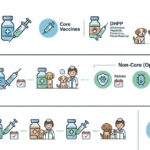
Core vaccines cats receive are considered essential regardless of lifestyle. These vaccines protect against diseases that are widespread, severe, or transmissible to humans.
FVRCP Vaccine
FVRCP is a combination vaccine that protects against three major viral diseases:
Feline Viral Rhinotracheitis
Caused by feline herpesvirus type one, this infection leads to upper respiratory symptoms, eye inflammation, and chronic flare ups.
Feline Calicivirus
This virus contributes to respiratory illness and oral ulcers. Certain strains can cause systemic complications.
Feline Panleukopenia
Often referred to as feline distemper, panleukopenia is highly contagious and can be fatal, particularly in kittens.
The FVRCP vaccine forms the backbone of the kitten shots schedule and continues throughout adulthood via scheduled cat booster shots.
Rabies Vaccine
Rabies vaccination is required by law in most states. Even indoor cats may encounter bats or other wildlife that enter homes. Because rabies is nearly always fatal once symptoms appear, prevention is critical.
Non Core Vaccines for Select Indoor Cats
Not all vaccines are necessary for every cat. Non core vaccines are recommended based on risk assessment.
Feline Leukemia Virus Vaccine
The feline leukemia virus vaccine is generally advised for kittens and for cats that may eventually have contact with other felines. While strictly indoor adult cats in single cat households may have lower risk, initial kitten vaccination is often recommended due to uncertain future exposure.
Bordetella and Chlamydia Vaccines
These are typically reserved for cats in high density environments such as shelters or boarding facilities.
A veterinarian conducts a risk evaluation before recommending non core vaccines. Lifestyle, environment, and travel history influence the final indoor cat vaccination schedule.
Kitten Shots Schedule
The kitten shots schedule establishes foundational immunity during early development. Kittens receive some antibodies from their mothers, but these decline over time, creating a vulnerability window.
Standard Cat Vaccine Timeline for Kittens
| Age of Kitten | Recommended Vaccines | Notes |
|---|---|---|
| 6 to 8 weeks | FVRCP first dose | Begins core immunity |
| 10 to 12 weeks | FVRCP second dose | Strengthens protection |
| 14 to 16 weeks | FVRCP third dose and Rabies | Rabies timing may vary by state |
| 16 to 20 weeks | FeLV if indicated | Based on risk factors |
Spacing doses allows the immune system to respond effectively. Skipping or delaying appointments can reduce protective efficacy.
Adult Cat Vaccine Timeline
Once the kitten series is complete, attention shifts to maintenance.
First Year Boosters
Approximately one year after the final kitten dose, cats receive booster shots for FVRCP and rabies. This reinforces long term immunity.
Ongoing Booster Schedule
Depending on vaccine type and manufacturer guidelines, boosters may be administered every one to three years. Many modern FVRCP vaccines provide three year coverage after the initial booster.
Veterinary professionals rely on evidence based protocols from the American Animal Hospital Association when designing booster intervals.
Do Indoor Cats Need Vaccines After Kittenhood
Immunity is not permanent. Over time, antibody levels decline. Even cats that remain strictly indoors benefit from continued protection.
Factors supporting continued vaccination include:
- Accidental escape
- Introduction of new pets
- Boarding or travel
- Wildlife intrusion
- Regional disease prevalence
Research indicates that feline panleukopenia outbreaks still occur in certain communities, particularly where vaccination rates decline. Maintaining a current cat vaccine timeline reduces outbreak probability.
Safety and Side Effects
Vaccines used in modern veterinary medicine undergo rigorous testing for safety and efficacy. Mild side effects such as temporary lethargy or mild soreness at the injection site may occur.
Severe reactions are rare. Signs of concern include facial swelling, persistent vomiting, or difficulty breathing shortly after vaccination. Immediate veterinary evaluation is necessary if such symptoms appear.
Overall, the benefits of vaccination significantly outweigh the minimal risks for the majority of indoor cats.
Special Considerations for Senior Indoor Cats
As cats age, immune response may change. Senior cats often require individualized assessment. Core vaccines cats receive earlier in life may still require periodic boosters, though frequency can vary based on health status.
Routine wellness visits help determine whether adjustments to the indoor cat vaccination schedule are appropriate. Chronic conditions, immune compromise, and lifestyle changes are considered in decision making.
Indoor Cat Vaccination Myths
Myth One Indoor Cats Are Completely Safe
Scientific evidence demonstrates environmental transmission risks. Indoor status reduces risk but does not eliminate it.
Myth Two Vaccines Cause More Harm Than Good
Extensive surveillance data indicate serious adverse events are uncommon. Preventable diseases often carry significantly higher morbidity and mortality rates.
Myth Three One Round Is Enough for Life
Most vaccines require boosters to sustain protective antibody levels. Without periodic cat booster shots, immunity may wane.
Cost Considerations
Vaccination costs vary by region and clinic type. However, preventive care is generally more affordable than treating advanced infectious disease.
Some animal welfare organizations offer low cost vaccine clinics. Long term financial planning for pet care should include routine immunization as a standard expense.
Integrating Vaccination With Preventive Care
Vaccination appointments also provide opportunities for comprehensive health evaluation. During these visits, veterinarians assess weight, dental health, nutrition, and behavior.
This holistic approach ensures that the indoor cat vaccination schedule aligns with broader wellness objectives. Preventive care enhances lifespan and quality of life.
Long Term Health Security
A carefully structured indoor cat vaccination schedule forms a critical pillar of preventive feline healthcare. While indoor environments reduce certain hazards, they do not eliminate infectious disease exposure. Core vaccines cats receive protect against conditions that remain present in the broader environment and can carry severe consequences.
Maintaining a consistent cat vaccine timeline strengthens community wide immunity, reduces emergency medical costs, and ensures compliance with public health laws. Cat booster shots preserve protective antibody levels long after kittenhood ends. For pet owners committed to responsible care, vaccination represents a proactive investment in longevity, safety, and quality of life.
Indoor cats thrive when preventive strategies match scientific evidence and veterinary guidance. Sustained immunization, paired with routine wellness assessments, secures long term protection and reinforces the health foundation every house cat deserves.
Frequently Asked Questions
1. Do indoor cats need vaccines if they never go outside
Yes. Indoor cats remain at risk due to environmental exposure, legal requirements for rabies, and unexpected contact with other animals.
2. What are the core vaccines cats should receive
Core vaccines include FVRCP and rabies. These protect against severe and highly contagious diseases.
3. How often are cat booster shots required
Booster intervals typically range from one to three years depending on the vaccine and veterinary recommendations.
4. At what age does the kitten shots schedule begin
Most kittens begin vaccinations between six and eight weeks of age.
5. Is the feline leukemia vaccine necessary for indoor cats
It depends on risk factors. Kittens often receive initial vaccination, while adult indoor only cats may not require ongoing doses if exposure risk is low.
6. Can vaccines be given late
Delays can reduce optimal immunity. If a dose is missed, a veterinarian may adjust the cat vaccine timeline accordingly.
7. Are vaccine reactions common
Mild reactions such as temporary tiredness can occur. Serious reactions are rare.
8. Do senior indoor cats still need boosters
Many senior cats continue to require core vaccine boosters, though frequency may vary based on health evaluation.
9. Why is rabies vaccination required by law
Rabies poses a public health risk. State regulations mandate vaccination to protect both animals and humans.
10. How long does immunity last after vaccination
Duration varies by vaccine type. Some provide one year protection while others extend to three years after the initial booster.