

Cats are known for their expressive voices, yet when the sound becomes constant, sharp, or disruptive, concern naturally follows. A home that once felt calm can quickly feel unsettled when a cat begins meowing throughout the day or night. For many households, cat meowing too much becomes more than a minor annoyance. It turns into a behavioral issue that demands attention and thoughtful resolution.
Excessive vocalization cats often communicate through repeated meows when something in their environment, routine, or emotional state has shifted. While some breeds are naturally more talkative, persistent meowing is rarely random. It frequently reflects unmet needs, learned attention seeking patterns, or environmental stressors that reinforce the behavior over time.
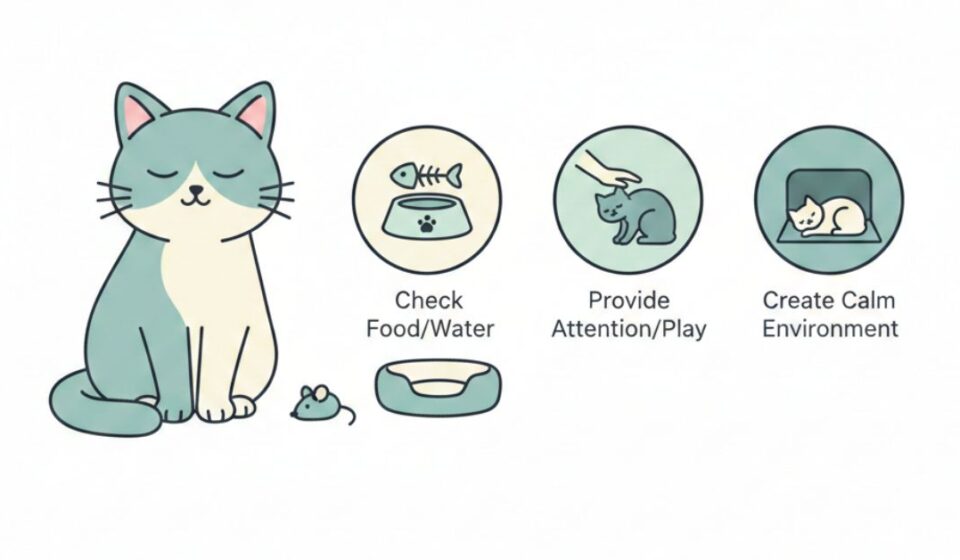
Behavioral modification requires patience, observation, and strategic response. Quick reactions or emotional responses can unintentionally strengthen the habit. A structured approach rooted in feline psychology and consistent environmental management offers the most effective path to reduce cat meowing and restore household harmony.
Why Cats Meow More Than Usual
Meowing is a learned communication tool primarily used by cats to interact with humans. Adult cats rarely meow at other adult cats. When a cat meows excessively, it is almost always directed toward people.
Communication and Learned Behavior
Many cases of excessive vocalization cats stem from reinforcement. If a cat meows and receives attention, food, or physical affection, the behavior becomes rewarded. Over time, the cat associates vocalization with positive outcomes. Even negative responses such as scolding can reinforce the behavior because attention itself can be rewarding.
Breed and Personality Influence
Certain breeds are genetically predisposed to vocal expression. The Siamese and the Bengal are well known for their strong vocal tendencies. Personality also plays a role. Highly social cats often use meowing as a primary interaction method.
Environmental Triggers
Changes in household dynamics can contribute to cat behavior issues. Common triggers include:
- Moving to a new residence
- New pets or family members
- Altered feeding schedules
- Reduced stimulation
- Nighttime boredom
Identifying the timing and pattern of vocalization helps narrow down the root cause.
Medical Considerations Before Behavioral Correction
Before focusing solely on behavior modification, underlying health conditions must be ruled out. Persistent or sudden cat meowing too much may signal discomfort or cognitive changes, particularly in older cats.
Possible contributing factors include:
- Age related cognitive changes
- Sensory decline such as hearing or vision changes
- Hormonal shifts
- Pain or discomfort
Once medical concerns are excluded, behavioral strategies can be implemented confidently.
Common Types of Excessive Meowing
Understanding the pattern of vocalization makes correction more precise.
Attention Seeking Cat Behavior
An attention seeking cat often meows when people are on the phone, working, or sleeping. The pattern usually follows moments when the cat feels ignored. This is one of the most common forms of excessive vocalization cats display.
Night Meowing Cat Pattern
Night meowing cat behavior typically involves pacing, loud yowling, or scratching at doors. It often results from excess daytime sleep, lack of stimulation, or disrupted feeding cycles.
Food Driven Vocalization
Cats quickly learn feeding schedules. If meals are inconsistent or delayed, meowing increases. Some cats vocalize aggressively near food storage areas.
Stress Induced Vocalization
Environmental stress can elevate anxiety levels. A stressed cat may vocalize persistently in unfamiliar or overstimulating environments.
Behavioral Psychology Behind Cat Meowing Too Much
Behavior modification requires an understanding of reinforcement cycles.
| Behavior Trigger | Owner Response | Cat Learns | Long Term Effect |
|---|---|---|---|
| Cat meows for food | Immediate feeding | Meowing brings food | Increased vocal demand |
| Cat meows at night | Owner responds verbally | Nighttime noise gains attention | Persistent night meowing cat |
| Cat meows for play | Owner engages instantly | Meowing equals stimulation | Attention seeking cat pattern |
Consistency in response determines whether the behavior decreases or intensifies.
Structured Methods to Reduce Cat Meowing
Behavioral correction should follow a systematic approach.
Establish Predictable Routines
Cats thrive on routine. Feeding, playtime, and quiet hours should occur at consistent times daily. Structured schedules reduce uncertainty and anxiety driven vocalization.
Controlled Ignoring for Attention Seeking Cat
When meowing is clearly attention based, controlled ignoring can be effective. This involves:
- Avoiding eye contact
- Avoiding verbal responses
- Waiting for silence before offering attention
Silence becomes the rewarded behavior rather than noise.
Increase Mental and Physical Stimulation
Boredom contributes significantly to excessive vocalization cats. Enrichment strategies include:
- Interactive toys
- Puzzle feeders
- Climbing trees
- Scheduled play sessions
Fifteen to twenty minutes of active play before bedtime can significantly reduce night meowing cat behavior.
Adjust Feeding Strategies
Food motivated meowing improves when feeding becomes structured and automated. Timed feeders reduce human association with food delivery, weakening vocal reinforcement.
Improve Night Environment
For night meowing cat cases:
- Provide a final meal in the evening
- Engage in structured play before sleep
- Keep the sleeping area dark and quiet
- Avoid midnight responses
Gradual adaptation leads to better overnight silence.
Environmental Enrichment as a Cat Behavior Fix
A stimulating environment reduces stress driven vocalization.
Vertical Territory
Cats feel secure in elevated spaces. Installing shelves or cat trees increases territory and reduces anxiety related meowing.
Window Access
Safe window views offer mental stimulation. Visual engagement lowers boredom induced attention seeking cat behaviors.
Scent Familiarity
Cats rely heavily on scent. Maintaining consistent bedding and minimizing sudden scent changes supports emotional stability.
Age Specific Strategies
Kittens
Young cats vocalize frequently during adjustment phases. Gentle routine building and interactive play reduce dependency based meowing.
Adult Cats
In adults, excessive vocalization cats often reflect habit formation. Consistency in ignoring unwanted behavior is essential.
Senior Cats
Older cats may experience confusion at night. Maintaining well lit pathways and structured schedules supports cognitive comfort.
Psychological Principles That Help Reduce Cat Meowing
Behavior science offers clear guidelines.
Reinforcement Control
Only reward quiet behavior. Silence should precede feeding, play, or affection.
Extinction Burst Awareness
When ignoring begins, vocalization may temporarily intensify. This is known as an extinction burst. Consistency prevents relapse.
Positive Redirection
Redirect vocal energy into appropriate outlets such as interactive play or training exercises.
Common Mistakes That Prolong Excessive Vocalization Cats
Many well meaning actions reinforce the problem.
- Responding inconsistently
- Yelling or punishment
- Feeding immediately after meowing
- Allowing daytime oversleeping
Punishment increases stress and can worsen cat behavior fix efforts.
Advanced Behavior Adjustment Techniques
Clicker Training
Clicker training encourages quiet cues. Rewarding silence paired with a click creates a structured learning association.
Gradual Desensitization
If meowing relates to separation anxiety, gradual desensitization reduces stress. Short departures that gradually increase in duration build independence.
Scheduled Attention Blocks
Designated daily attention periods prevent random reinforcement cycles.
Long Term Outlook
With consistent behavioral reinforcement control, most cases of cat meowing too much significantly improve within several weeks. The key lies in predictability, emotional neutrality, and structured interaction.
Cats respond to stability. When routines are predictable and rewards are clearly defined, excessive vocalization cats gradually shift toward calmer communication patterns.
Final Thoughts
Cat meowing too much rarely stems from stubbornness or random behavior. It reflects communication shaped by reinforcement, environment, and emotional context. Excessive vocalization cats often respond to structured routine adjustments, environmental enrichment, and consistent response management.
Patience and predictability remain the strongest tools in addressing attention seeking cat patterns or persistent night meowing cat behavior. When silence becomes the rewarded outcome and stimulation needs are properly met, vocal habits naturally decline. A calm home environment can be restored without conflict or frustration by aligning human responses with feline behavioral science.
Frequently Asked Questions
1. Why is cat meowing too much suddenly?
Sudden changes often relate to environmental shifts, stress, or learned reinforcement patterns.
2. How long does it take to reduce cat meowing?
Behavior correction typically takes several weeks with consistent response control.
3. Why does a night meowing cat seem restless?
Excess daytime sleep and insufficient stimulation often contribute to nighttime activity.
4. Does ignoring an attention seeking cat always work?
Ignoring works when the behavior is purely attention based and consistently managed.
5. Are some breeds naturally louder?
Yes. The Siamese and Bengal breeds are known for higher vocal tendencies.
6. Can feeding schedules influence excessive vocalization cats?
Yes. Inconsistent feeding often increases food driven meowing.
7. Should punishment be used to reduce cat meowing?
Punishment increases stress and often intensifies vocalization.
8. How does boredom affect cat behavior fix plans?
Boredom increases anxiety and attention seeking patterns.
9. Can older cats vocalize more at night?
Age related cognitive changes may increase nighttime vocal behavior.
10. Is structured play effective in reducing night meowing cat behavior?
Yes. Evening stimulation often reduces nighttime vocal activity.