
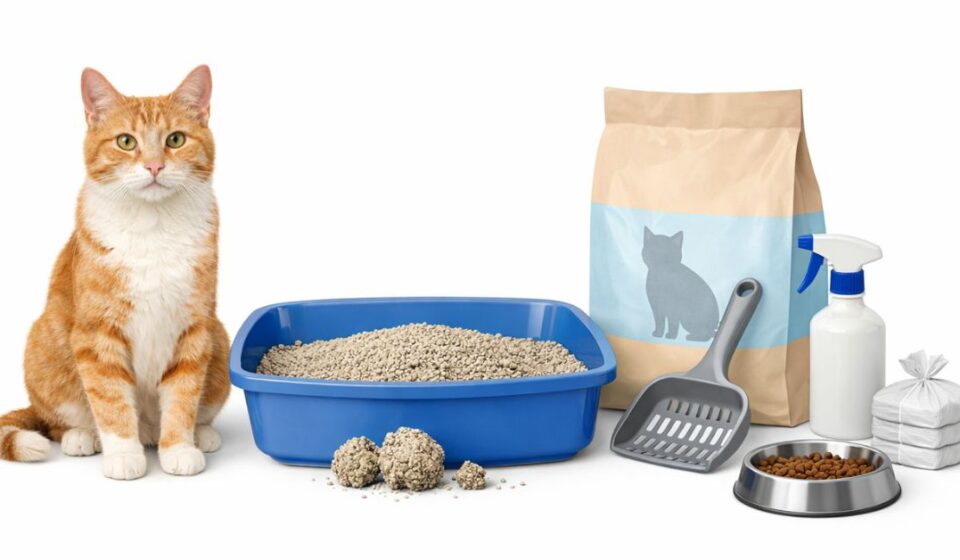

Cats are known for their cleanliness. A well maintained litter box reflects not only responsible pet ownership but also a commitment to a cat’s health and comfort. Yet many pet owners quietly struggle with one common question: how often change cat litter to ensure proper hygiene without unnecessary waste.
The condition of a litter box influences far more than odor. It affects feline behavior, urinary health, stress levels, and even household air quality. According to insights from organizations such as the American Veterinary Medical Association and the American Association of Feline Practitioners, poor litter box hygiene is a leading contributor to inappropriate elimination and stress related behavioral issues in cats.
Establishing a consistent cat litter cleaning schedule is not merely about convenience. It is about supporting long term indoor cat care tips that enhance well being, minimize odor, and create a harmonious home environment. With the right best litter routine, the process becomes efficient, cost effective, and sustainable.
Why Litter Box Hygiene Matters
A Cat’s Natural Instincts
Cats instinctively seek clean spaces for elimination. In the wild, they bury waste to avoid predators and maintain territory control. When a litter box becomes dirty, the instinct to avoid contaminated ground can override training.
Failure to follow proper litter box hygiene tips can result in:
- Avoidance of the litter box
- Urinating or defecating outside the box
- Increased stress or agitation
- Potential urinary complications
Behavioral specialists frequently report that inconsistent litter cleaning is one of the most preventable causes of house soiling.
Health Implications
A neglected litter box creates conditions favorable for bacterial growth and ammonia accumulation. High ammonia levels from urine can irritate feline respiratory systems, particularly in small apartments with limited ventilation.
Consistent cleaning reduces exposure to pathogens and allows owners to monitor changes in urine clumps or stool consistency, which may signal early health concerns.
How Often Change Cat Litter: The Direct Answer
The frequency depends on several variables, including the number of cats, litter type, box size, and environmental conditions. However, evidence based guidelines suggest the following:
For Single Cat Households
- Scoop waste at least once daily
- Replace clumping litter entirely every two to three weeks
- Replace non clumping litter twice weekly
For Multi Cat Households
- Scoop twice daily
- Replace clumping litter every one to two weeks
- Replace non clumping litter every three to four days
The widely recommended formula is one litter box per cat plus one extra. This standard is often supported by feline care authorities and helps reduce territorial stress.
Building a Practical Cat Litter Cleaning Schedule
A structured cat litter cleaning schedule removes guesswork and maintains consistency.
Daily Routine
- Remove urine clumps and feces
- Check litter depth and add fresh litter as needed
- Inspect for unusual odor or discoloration
Weekly Routine
- Wipe down box edges and exterior
- Top off litter to maintain two to three inches of depth
- Assess odor control effectiveness
Full Replacement Routine
During full litter replacement:
- Empty entire contents
- Wash box with mild soap and warm water
- Dry completely before refilling
- Add fresh litter to recommended depth
Hot water and fragrance free cleaning products are preferred to prevent scent aversion.
How Litter Type Affects Replacement Frequency
Not all litter behaves the same. The best litter routine depends largely on composition.
Litter Types and Cleaning Frequency: Comparative Analysis
| Litter Type | Odor Control | Scooping Ease | Full Replacement Frequency | Best For |
|---|---|---|---|---|
| Clay Clumping | Strong | Easy | Every 2 to 3 weeks | Busy households |
| Clay Non Clumping | Moderate | Moderate | Twice weekly | Budget friendly |
| Silica Gel Crystals | High | Easy | Every 3 to 4 weeks | Odor sensitive homes |
| Natural Plant Based | Moderate | Easy | Every 1 to 2 weeks | Eco conscious owners |
Silica crystal litter often lasts longer because it absorbs moisture without forming clumps. Natural litters may require more frequent full replacement due to biodegradability.
Signs It Is Time to Change the Litter Completely
Even with daily scooping, certain indicators suggest a full replacement is overdue:
- Persistent ammonia smell
- Litter appears saturated or muddy
- Increased tracking outside the box
- Cat hesitates before entering
- Flies or small insects appear
Odor is often the most obvious sign. If smell remains after scooping, the base layer may be saturated.
How to Reduce Litter Smell Effectively
Controlling odor is one of the most common motivations behind asking how often change cat litter.
Maintain Proper Depth
Two to three inches of litter allows effective clumping and absorption. Insufficient depth leads to urine reaching the base.
Improve Ventilation
Place the litter box in a well ventilated area, away from sealed closets or small enclosed spaces.
Choose Unscented Litter
Strong fragrances can deter cats. Odor neutralizing technology is preferable to perfume masking.
Regular Box Washing
Plastic litter boxes can absorb odor over time. Washing weekly reduces residue buildup.
Replace Old Boxes Periodically
Plastic scratches harbor bacteria. Replacing litter boxes annually helps maintain hygiene.
Indoor Cat Care Tips Beyond Cleaning
Litter box maintenance fits within a broader indoor cat care tips framework.
Proper Box Placement
Avoid high traffic areas or noisy appliances. Cats prefer quiet, accessible locations.
Size Matters
The box should be at least one and a half times the length of the cat from nose to tail base.
Monitor Behavioral Changes
Sudden avoidance may signal stress, medical discomfort, or dissatisfaction with cleanliness.
Maintain Routine
Cats thrive on predictability. Consistent cleaning times reduce anxiety.
Behavioral Consequences of Poor Litter Maintenance
Inadequate cleaning frequently leads to:
- Urine marking
- Eliminating on soft surfaces
- Increased territorial behavior
Behaviorists note that once negative associations form, retraining may require significant time and environmental adjustments.
Environmental and Cost Considerations
Frequent full replacement without daily scooping wastes litter and increases expense. Conversely, insufficient replacement increases odor and health risks.
A balanced best litter routine maximizes absorption efficiency and reduces unnecessary waste. Bulk purchasing and maintaining proper depth can lower long term costs.
Multi Cat Household Strategy
Managing multiple cats requires stricter adherence to hygiene principles.
Box Distribution
Boxes should be placed in separate areas to reduce territorial conflict.
Increased Scooping Frequency
Twice daily removal prevents odor buildup and competition.
Rotation System
Stagger full replacements across boxes to avoid sudden environmental change.
Seasonal Factors That Affect Litter Replacement
Humidity and temperature influence odor intensity.
- High humidity increases bacterial growth
- Winter indoor heating can intensify ammonia scent
- Summer warmth accelerates odor production
Adjusting the cat litter cleaning schedule seasonally helps maintain comfort.
Myths About Changing Cat Litter
Myth: Complete Replacement Is Needed Weekly Regardless
Reality: Clumping litter can last longer with consistent daily scooping.
Myth: Scented Litter Solves Odor Problems
Reality: Masking scent does not eliminate ammonia buildup.
Myth: Indoor Cats Require Less Maintenance
Reality: Indoor cats use the litter box exclusively, increasing usage frequency.
Creating the Best Litter Routine for Long Term Hygiene
An effective best litter routine balances daily diligence with scheduled deep cleaning.
Step One: Commit to Daily Scooping
Consistency is more impactful than sporadic deep cleaning.
Step Two: Track Replacement Dates
Mark calendar reminders to avoid overextension.
Step Three: Evaluate Litter Performance
If odor persists despite routine care, switching litter type may be beneficial.
Final Thoughts on Litter Box Maintenance
Cleanliness within a cat’s environment directly impacts comfort, behavior, and health. Determining how often change cat litter is not simply a matter of convenience. It represents a structured commitment to feline well being and responsible indoor pet care.
A disciplined cat litter cleaning schedule that includes daily scooping, periodic full replacement, and consistent box washing significantly reduces odor and stress. Combined with strategic placement and appropriate litter selection, these litter box hygiene tips create a stable environment that aligns with a cat’s natural instincts.
Long term success lies in consistency. When the best litter routine becomes habitual, both cat and household benefit from improved hygiene, reduced odor, and greater harmony. A clean litter box is not merely a maintenance task. It is an essential foundation of responsible indoor cat care.
Frequently Asked Questions
1. How often change cat litter for one indoor cat?
Daily scooping and full replacement every two to three weeks for clumping litter is standard.
2. Does non clumping litter require more frequent changes?
Yes. Non clumping litter typically needs full replacement twice weekly.
3. Can litter be changed less often if odor is controlled?
Odor control does not eliminate bacterial growth. Replacement should follow a schedule regardless of scent.
4. How deep should litter be in the box?
Two to three inches allows effective clumping and absorption.
5. Is washing the box necessary during full replacement?
Yes. Washing removes residue and reduces odor retention.
6. How to reduce litter smell in small apartments?
Increase scooping frequency, improve ventilation, and maintain proper litter depth.
7. Should litter boxes be replaced periodically?
Plastic boxes may retain odor over time. Annual replacement is advisable.
8. What happens if litter is not changed often enough?
Cats may avoid the box, leading to house soiling and stress related behaviors.
9. Do kittens require more frequent litter changes?
Kittens may require closer monitoring, but frequency aligns with general guidelines.
10. Does litter type affect cat preference?
Yes. Texture and scent influence acceptance, making trial and observation important.