

Separation anxiety in dogs is more than an inconvenience. It is a deeply rooted behavioral response that affects a dog’s emotional stability and overall well being. Across the United States, veterinarians and animal behavior specialists report a steady rise in dog anxiety symptoms, especially as routines shift due to work changes, travel patterns, and household transitions. When a dog struggles with being left alone, the effects ripple through the entire household.
Many dogs exhibit subtle signs long before the behavior becomes disruptive. Pacing, whining, restlessness, or excessive attachment may appear harmless at first. Over time, those signals can escalate into destructive chewing, inappropriate elimination, or persistent barking. Such behaviors are not acts of defiance. They reflect distress. Addressing the underlying cause requires empathy, structured dog anxiety training, and consistent separation anxiety remedies.
Dog separation anxiety solutions that truly work focus on behavior modification, environmental management, and emotional resilience. A calm and structured approach can transform daily departures into manageable experiences. With the right guidance, even severe cases can improve, helping both dog and owner regain peace and stability.
What Separation Anxiety Really Means
Separation anxiety refers to distress triggered when a dog is separated from a primary caregiver or left alone. It is not simple boredom. It is a fear based response rooted in attachment patterns.
Dogs are social animals. In natural settings, they rely on group dynamics for safety and stability. When left alone without preparation, some dogs perceive isolation as a threat. This perception activates stress hormones such as cortisol and adrenaline, which contribute to dog anxiety symptoms.
Common Dog Anxiety Symptoms
Recognizing early indicators is critical for effective intervention. Symptoms vary in intensity but often include:
- Excessive barking or howling shortly after departure
- Destructive chewing focused on doors or windows
- Scratching at entry points
- Urinating or defecating indoors despite being house trained
- Pacing or repetitive movement
- Heavy panting unrelated to temperature
- Clingy behavior before departure
Research published by veterinary behavior associations suggests that separation related behaviors affect up to twenty percent of dogs in the United States. The actual number may be higher due to underreporting.
Why Some Dogs Are More Vulnerable
Several risk factors increase susceptibility:
- Adoption from shelters or multiple rehoming events
- Sudden schedule changes such as returning to office work
- Loss of a family member or companion animal
- Early life instability
- Limited exposure to gradual independence during puppyhood
Understanding the root cause allows for targeted dog separation anxiety solutions rather than temporary fixes.
The Psychology Behind the Panic
Separation anxiety is often linked to attachment theory. Dogs form bonds similar to those seen in human caregiver relationships. When that attachment becomes hyper dependent, any absence can trigger distress.
Stress responses involve the limbic system, the part of the brain associated with emotion and memory. Over time, if departures repeatedly lead to anxiety, the dog may form a negative association with cues such as picking up keys or putting on shoes.
This learned anticipation intensifies dog anxiety symptoms even before the owner leaves. Effective dog anxiety training interrupts this cycle by reshaping those associations.
Practical Dog Separation Anxiety Solutions
Addressing separation anxiety requires consistency and patience. Quick fixes rarely produce lasting results. Instead, structured and gradual methods build long term resilience.
Gradual Desensitization
Gradual desensitization is considered one of the most effective separation anxiety remedies. It involves exposing the dog to very short absences and slowly increasing duration.
Step One: Neutralize Departure Cues
Begin by performing departure related actions without leaving. Pick up keys, put on shoes, or open the door, then sit back down. Repeat multiple times daily until the dog shows no reaction.
Step Two: Short Absences
Leave the home for thirty seconds to one minute. Return calmly. Avoid dramatic greetings. Gradually extend the time over several weeks.
Step Three: Controlled Progression
Increase absence length only if the dog remains calm. Regression is normal. If anxiety resurfaces, shorten the duration before progressing again.
Consistency transforms leaving dog home alone from a perceived threat into a predictable routine.
Create a Safe Environment
Environmental design plays a critical role in calming anxious dog behavior.
Comfortable Space
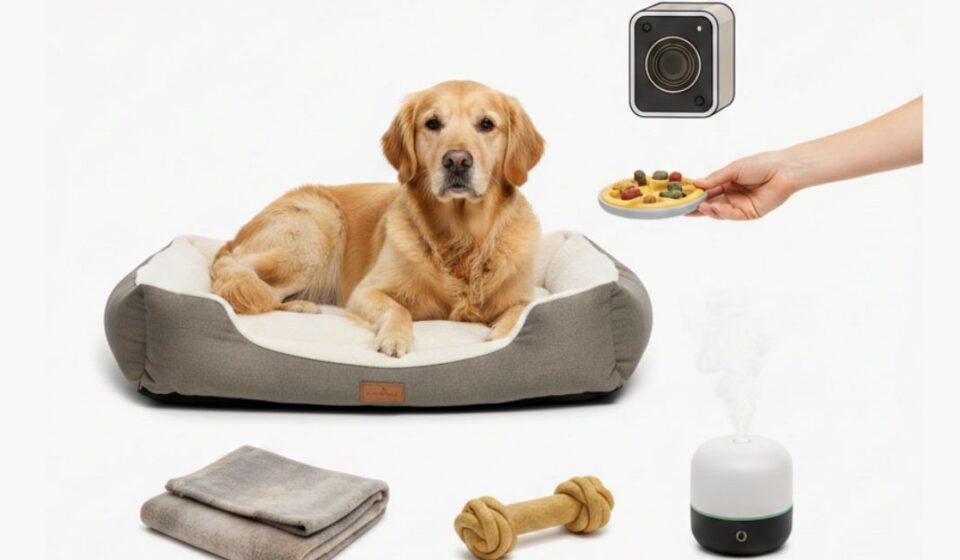
Designate a specific resting area with familiar bedding and toys. Some dogs respond well to crates when properly introduced, while others prefer open but confined spaces.
Background Sound
Soft music or television can reduce perceived isolation. Research in animal behavior studies indicates that classical music may reduce stress behaviors in shelter dogs.
Mental Enrichment
Interactive puzzle toys and safe chew items keep the mind engaged. Mental stimulation reduces anxiety by redirecting focus.
Establish Predictable Routines
Dogs thrive on structure. Consistent feeding, walking, and play schedules create emotional stability.
Morning exercise before departure can significantly reduce anxious behavior. Physical activity lowers stress hormone levels and promotes relaxation.
A predictable departure ritual that is calm and brief prevents heightened anticipation. Dramatic goodbyes reinforce anxiety.
Dog Anxiety Training That Builds Independence
Training methods designed to strengthen emotional resilience are essential components of dog separation anxiety solutions.
Teach Relaxation on Cue
Relaxation training involves reinforcing calm behavior in low distraction environments. Reward the dog for lying quietly on a mat. Gradually introduce mild distractions while maintaining calmness.
This skill can transfer to departure situations.
Encourage Independent Play
Reward independent behavior. If a dog chooses to rest in another room, reinforce that independence with praise or treats. Gradual confidence building reduces hyper attachment.
Avoid Punishment
Punishment for destructive behavior increases stress and damages trust. Since separation anxiety stems from fear, correction intensifies the underlying emotion.
Positive reinforcement remains the gold standard for dog anxiety training.
Comparing Key Separation Anxiety Remedies
| Remedy Type | Primary Goal | Effectiveness | Best For |
|---|---|---|---|
| Gradual Desensitization | Reduce fear of absence | High with consistency | Mild to moderate cases |
| Environmental Enrichment | Provide distraction | Moderate | Dogs with boredom component |
| Routine Structure | Increase predictability | High when combined with training | All cases |
| Relaxation Training | Build emotional control | High | Dogs with anticipatory anxiety |
| Professional Behavior Consultation | Advanced modification | Very High | Severe or persistent cases |
This structured comparison highlights that comprehensive plans often combine multiple separation anxiety remedies.
Leaving Dog Home Alone Without Stress
Successful independence training reframes absence as neutral rather than threatening.
Short Practice Departures Daily
Daily controlled practice builds familiarity. Skipping sessions can delay progress.
Monitor Behavior
Home cameras provide insight into behavior patterns during absences. Identifying peak anxiety moments helps refine dog separation anxiety solutions.
Adjust Gradually
Extended absences should only occur once shorter intervals remain consistently calm. Rushing progression often causes setbacks.
When Professional Guidance Is Appropriate
Severe dog anxiety symptoms may include self injury or persistent distress lasting beyond thirty minutes after departure. In such cases, consultation with a certified veterinary behavior specialist or professional trainer may be necessary.
Professional guidance ensures behavior modification plans are tailored to the individual dog’s temperament and history.
Long Term Outlook and Recovery
Most dogs improve significantly with structured intervention. Recovery timelines vary. Mild cases may resolve within weeks. More severe cases may require several months of consistent training.
Patience remains critical. Emotional resilience builds gradually. Over time, a once anxious dog can learn that being alone does not signal danger.
The ultimate goal is not to eliminate attachment. Healthy attachment remains positive. The objective is balanced independence.
A Calm Home Is Possible
Separation anxiety challenges both dogs and their caregivers, but it is not permanent. With thoughtful dog separation anxiety solutions, structured dog anxiety training, and consistent separation anxiety remedies, emotional balance can be restored. Each small success builds confidence. Over time, leaving dog home alone transitions from a source of panic into a manageable part of daily life.
Patience, empathy, and methodical practice reshape fear into resilience. A calm and independent dog is not the result of chance. It is the outcome of deliberate training and steady commitment. When anxiety is addressed at its root, harmony returns to the home, and trust grows stronger than before.
Frequently Asked Questions
1. What are the earliest dog anxiety symptoms linked to separation?
Subtle signs include restlessness, following behavior, pacing, and increased alertness when departure cues appear.
2. How long does dog anxiety training usually take?
Mild cases may improve within four to six weeks, while severe cases can require several months of consistent work.
3. Is crate training helpful for separation anxiety?
It depends on the dog. Some dogs feel secure in a crate, while others experience increased stress if confinement is introduced improperly.
4. Can leaving dog home alone for long hours worsen anxiety?
Yes. Sudden extended absences without preparation can intensify fear responses.
5. Do certain breeds experience separation anxiety more frequently?
Highly social and companion focused breeds may show higher rates, though any dog can develop anxiety.
6. Does exercise reduce separation anxiety?
Regular physical activity reduces stress hormones and can significantly support calming anxious dog behavior.
7. Should departure routines be emotional?
No. Calm and brief departures prevent reinforcing anxiety.
8. Can environmental enrichment alone solve the problem?
Enrichment helps but is rarely sufficient without structured desensitization.
9. What role does routine play in dog separation anxiety solutions?
Routine builds predictability, which lowers overall stress levels.
10. Can separation anxiety return after improvement?
Yes, especially after major routine changes. Ongoing consistency helps maintain progress.