

A dog that constantly scratches, licks, or rubs against furniture often raises immediate concern about fleas. When no visible parasites appear, confusion quickly follows. Persistent discomfort without fleas is more common than many pet owners realize. The phrase dog itching but no fleas reflects a widespread issue that affects dogs of every breed, age, and environment.
Excessive scratching is not merely a surface problem. It frequently signals underlying irritation within the skin barrier, immune response, or environmental exposure. Dogs experience itchiness for many reasons beyond parasites, including allergies, dryness, infections, and even stress. Recognizing dog skin allergies symptoms and identifying dog scratching causes early can prevent further complications such as skin infections and chronic inflammation.
Skin health plays a central role in overall canine wellness. The skin is the largest organ in a dog’s body and acts as a protective shield against environmental irritants, bacteria, and allergens. When that barrier becomes compromised, itching intensifies. Addressing itchy dog remedies effectively requires understanding the root cause rather than focusing solely on surface relief.
Common Reasons for Dog Itching but No Fleas
Several conditions may cause persistent scratching even when fleas are absent. Each cause produces slightly different patterns of irritation.
Allergic Reactions
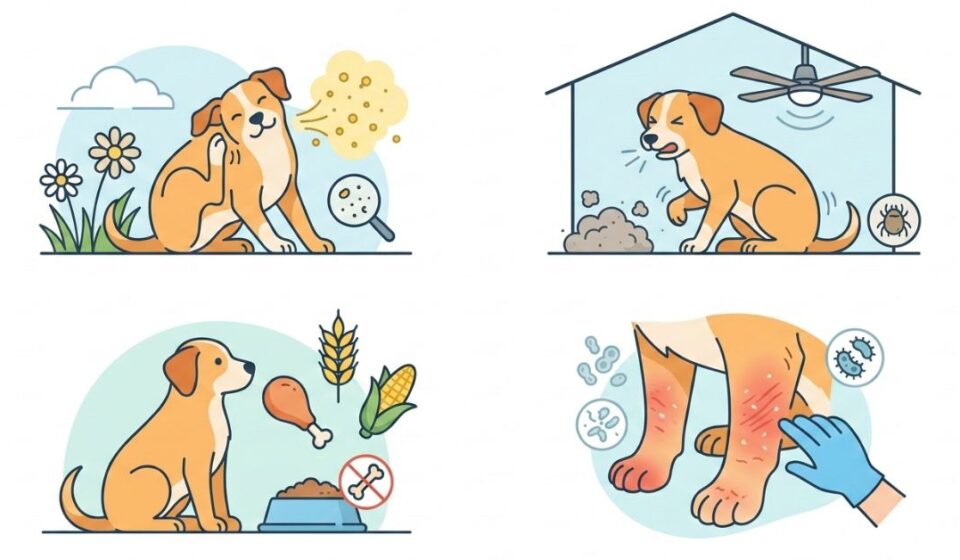
Allergies are one of the most frequent explanations for dog itching but no fleas. Dogs can develop allergic responses to substances in their environment, food, or even contact materials.
Environmental Allergies
Environmental triggers include pollen, dust mites, mold spores, and grass. These are often categorized as seasonal dog allergies when symptoms flare during certain times of the year. However, indoor allergens such as dust mites can cause year round discomfort.
Typical dog skin allergies symptoms include:
- Redness around paws and belly
- Frequent paw licking
- Ear irritation
- Facial rubbing
- Recurring skin infections
Allergic inflammation leads to excessive histamine release, which intensifies itching sensations.
Food Sensitivities
Food related allergies may involve proteins such as chicken, beef, dairy, or grains. Symptoms can mimic environmental allergies but often include digestive disturbances alongside itching.
Dogs with food sensitivities commonly show:
- Chronic ear infections
- Anal gland irritation
- Persistent scratching without visible rash
- Gastrointestinal upset
Unlike seasonal triggers, food reactions tend to persist consistently throughout the year.
Dry Skin in Dogs
Dry skin in dogs is another significant factor. Low humidity, cold weather, indoor heating, excessive bathing, or poor diet can strip natural oils from the skin barrier.
Signs of dry skin include:
- Flaking or dandruff
- Rough texture
- Mild redness
- Dull coat
When the protective lipid layer becomes depleted, microscopic cracks form in the skin, allowing irritants to penetrate more easily.
Skin Infections
Secondary infections often follow prolonged scratching. Bacterial or yeast overgrowth can occur after the skin barrier weakens. These infections intensify discomfort and create a cycle of itching and inflammation.
Symptoms may include:
- Foul odor
- Thickened skin
- Oozing sores
- Darkened patches
Addressing infection early prevents more serious complications.
Parasites Beyond Fleas
Even when fleas are absent, other microscopic parasites may be present.
- Mites such as mange
- Lice
- Ticks
Mange mites, for example, burrow into the skin and cause intense irritation, often without obvious visibility.
Contact Irritants
Certain substances can trigger direct irritation when they touch the skin. Common culprits include:
- Cleaning chemicals
- Lawn treatments
- Synthetic bedding materials
- Scented grooming products
Localized itching often appears on areas with direct contact, such as the belly or paws.
Stress and Behavioral Factors
Chronic stress can lead to compulsive licking or scratching. Behavioral itching often targets a specific area repeatedly, even without visible skin abnormalities.
Recognizing Dog Skin Allergies Symptoms
Identifying dog skin allergies symptoms early can prevent long term damage. The pattern of itching often provides clues about the underlying cause.
Common Patterns
- Paw focused itching suggests environmental exposure
- Ear infections may signal food sensitivities
- Belly redness often relates to grass contact
- Year round itching may indicate indoor allergens
Inflammation Indicators
Inflamed skin typically presents as:
- Warmth to the touch
- Swelling
- Hair thinning
- Recurrent hot spots
Chronic inflammation can thicken the skin over time, a condition known as lichenification.
Seasonal Dog Allergies and Their Impact
Seasonal dog allergies often align with pollen cycles in spring and fall. Certain regions in the United States experience longer allergy seasons due to climate patterns.
For example:
- Southern states may see extended pollen exposure
- Urban areas often have elevated airborne irritants
- Dry climates contribute to airborne dust accumulation
Climate change has extended pollen seasons in many regions, increasing exposure duration and symptom severity.
Dogs affected by seasonal triggers often show worsening symptoms during specific months, then partial relief during off seasons.
Dog Scratching Causes by Body Location
Understanding where a dog scratches most frequently can narrow possible causes.
| Body Area | Common Cause | Additional Clues |
|---|---|---|
| Paws | Environmental allergies | Excessive licking between toes |
| Ears | Food allergy or yeast | Head shaking, odor |
| Belly | Grass or contact irritant | Redness after outdoor exposure |
| Base of tail | Parasites or allergy | Sudden intense scratching |
| Face | Pollen sensitivity | Rubbing on furniture |
Location patterns offer diagnostic value and guide appropriate itchy dog remedies.
How Dry Skin in Dogs Develops
Dry skin in dogs often results from a combination of environmental and nutritional factors.
Environmental Factors
Indoor heating during winter lowers humidity levels significantly. Low moisture content in air accelerates skin dehydration. Frequent bathing with harsh shampoos can also remove essential oils.
Nutritional Considerations
Essential fatty acids such as omega three and omega six support skin barrier integrity. Deficiencies may increase dryness and flaking.
A balanced diet with adequate protein and healthy fats supports cellular repair and reduces inflammation.
When Itching Becomes Chronic
Persistent scratching beyond two weeks warrants attention. Chronic irritation may lead to:
- Open sores
- Secondary infections
- Hair loss
- Skin thickening
Long term inflammation alters immune response, making dogs more reactive to minor triggers.
Early identification of dog scratching causes reduces risk of progression into severe dermatitis.
Evidence Based Insights on Canine Allergies
Research indicates that allergic dermatitis accounts for a large percentage of veterinary dermatology visits in the United States. Environmental allergens rank among the leading contributors.
Key findings include:
- Allergies often develop between one and three years of age
- Certain breeds demonstrate higher susceptibility
- Repeated exposure intensifies immune response
Genetics influence how the immune system reacts to allergens. Breeds such as retrievers, terriers, and bulldogs frequently exhibit increased sensitivity.
Itchy Dog Remedies That Support Skin Health
Effective itchy dog remedies focus on strengthening the skin barrier and reducing inflammation.
Gentle Grooming Practices
- Use mild, fragrance free shampoos
- Avoid over bathing
- Rinse thoroughly to remove residue
Maintaining clean skin without stripping natural oils is essential.
Environmental Adjustments
- Wash bedding regularly
- Vacuum frequently to reduce dust mites
- Use air filtration systems
Minimizing allergen load reduces immune stimulation.
Hydration and Nutrition
Adequate hydration supports cellular function. Nutritional balance contributes to coat shine and skin elasticity.
Moisture Support
Humidifiers can improve indoor air moisture levels during winter months. Increased humidity helps combat dry skin in dogs.
Preventing Recurrence
Long term management requires consistency. Preventive measures include:
- Monitoring seasonal flare ups
- Tracking dietary changes
- Observing behavior patterns
- Regular skin inspections
Early intervention prevents escalation.
The Role of Immune Response
Allergic itching stems from immune hypersensitivity. The immune system mistakenly identifies harmless substances as threats. This triggers histamine release, leading to inflammation and itch sensation.
Repeated exposure reinforces the reaction. Over time, smaller amounts of allergen provoke stronger responses.
Supporting immune balance through stress reduction and stable routines may help moderate reactivity.
When Professional Evaluation Is Necessary
Certain signs require veterinary assessment:
- Sudden severe itching
- Open wounds
- Persistent ear infections
- Thickened or darkened skin
- Behavioral distress
Professional evaluation can determine whether underlying infections or systemic conditions are present.
Restoring Comfort and Confidence
Dog itching but no fleas is not a mystery once underlying triggers are identified. Allergies, dry skin, environmental irritants, and immune hypersensitivity represent the most common dog scratching causes. Recognizing dog skin allergies symptoms early and implementing consistent itchy dog remedies can prevent long term skin damage and discomfort.
Healthy skin reflects internal balance and environmental harmony. By observing patterns, adjusting living conditions, and supporting skin integrity through proper care, persistent itching can be significantly reduced. When scratching becomes chronic or severe, timely professional evaluation ensures that deeper causes are properly addressed. With attentive monitoring and informed management, most dogs can regain comfort, maintain coat health, and live free from constant irritation.
Frequently Asked Questions
1. Can a dog itch without visible skin changes?
Yes. Early allergic reactions may produce itching before redness or rash appears.
2. Are seasonal dog allergies permanent?
Seasonal allergies often recur annually but may vary in intensity depending on environmental exposure.
3. Does dry skin in dogs worsen during winter?
Low humidity and indoor heating frequently intensify dryness during colder months.
4. Can stress cause itching?
Stress may contribute to compulsive licking or scratching behaviors, especially in anxious dogs.
5. How can dog skin allergies symptoms be recognized early?
Frequent paw licking, ear irritation, and facial rubbing are early indicators.
6. Is food allergy common in dogs?
Food sensitivity occurs less frequently than environmental allergies but remains a significant cause of chronic itching.
7. Why does itching persist after fleas are removed?
Residual allergic inflammation may continue even after flea elimination.
8. Do certain breeds experience more allergies?
Yes. Genetic predisposition increases risk in several popular breeds.
9. Can bathing too often cause itching?
Excessive bathing can strip protective oils and contribute to dry skin in dogs.
10. What makes itching worse at night?
Reduced distractions may increase awareness of irritation, leading to more noticeable scratching.