
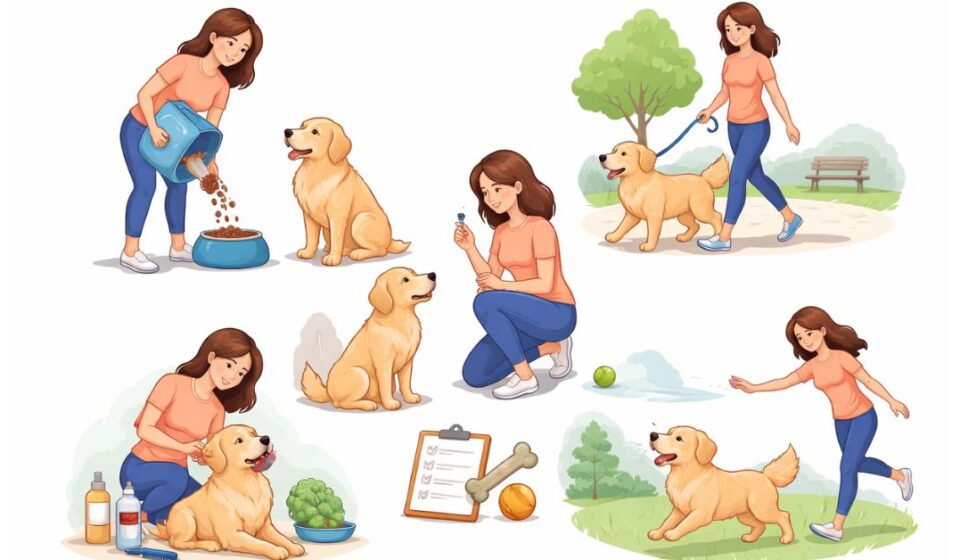

Modern life moves quickly, yet dogs continue to rely on structure, consistency, and emotional connection to thrive. A well planned daily dog care routine does more than cover basic needs. It supports physical health, mental stimulation, and long term behavioral stability. For busy professionals, parents, and working households, the challenge is not commitment. The challenge is time management and efficiency.
Dogs are creatures of habit. Research from veterinary behavioral studies consistently shows that predictable schedules reduce anxiety and prevent destructive habits. Whether living in an apartment in New York City or a suburban home in Texas, dogs respond positively to consistent feeding times, structured exercise, and meaningful interaction. A scattered routine often leads to stress behaviors such as excessive barking, chewing, or restlessness.
A structured dog routine schedule creates balance for both pet and owner. It transforms care from a rushed obligation into a streamlined system that fits naturally into a full day. With the right planning, even the busiest schedule can accommodate a comprehensive dog care checklist that covers nutrition, hygiene, enrichment, and emotional well being.
Why Structure Matters
Consistency is the foundation of effective pet care for working owners. Dogs interpret routine as security. Predictable daily patterns help regulate digestion, energy levels, and sleep cycles.
Behavioral Stability
Dogs that follow a stable dog routine schedule demonstrate:
- Fewer anxiety related behaviors
- Improved house training reliability
- Better responsiveness to commands
- Reduced hyperactivity
According to data from the American Kennel Club, routine based care supports improved obedience and reduces stress driven behavior in domestic dogs.
Physical Health Benefits
A regular daily dog care routine ensures:
- Proper weight management
- Balanced nutrition
- Regular elimination cycles
- Stronger immune resilience
Structured care is not about rigid timing. It is about predictable rhythm.
Morning Essentials
Mornings set the tone for the entire day. Even when time is limited, a focused and intentional start ensures dogs feel secure and cared for.
Feeding with Purpose
A fixed feeding schedule supports digestive health. Most adult dogs benefit from two meals per day spaced approximately twelve hours apart. Puppies may require three to four smaller meals depending on age.
Key Feeding Guidelines
- Measure portions accurately
- Use consistent feeding times
- Provide fresh water daily
- Avoid sudden diet changes
Portion control plays a significant role in preventing obesity, which remains one of the most common health concerns in domestic dogs in the United States.
Quick Exercise Session
A short but purposeful walk or play session stimulates circulation and mental alertness. Even fifteen to twenty minutes of brisk walking can:
- Burn excess energy
- Reduce boredom
- Improve mood
For working owners, a focused morning session decreases the likelihood of destructive behavior during the day.
Brief Hygiene Check
A daily dog hygiene routine does not require extensive grooming. A quick inspection includes:
- Checking eyes for discharge
- Inspecting paws for debris
- Brushing coat lightly if needed
- Ensuring ears are clean and dry
These small actions prevent minor issues from becoming major concerns.
Midday Solutions for Working Owners
Many busy households struggle with daytime care. However, practical adjustments make pet care for working owners manageable.
Independent Enrichment
Mental stimulation is as critical as physical exercise. Dogs left alone benefit from:
- Puzzle toys
- Treat dispensing feeders
- Safe chew toys
These tools prevent boredom and stimulate cognitive engagement.
Professional Assistance
In metropolitan areas such as New York City and Los Angeles, dog walking services have become a structured solution for long workdays. Occasional midday walks support socialization and bathroom breaks.
Technology Integration
Pet cameras allow remote interaction. Two way audio features provide reassurance for anxious dogs. While not a replacement for physical interaction, they reinforce connection.
Evening Reset
Evenings provide an opportunity to reconnect and reinforce structure.
Structured Exercise
A longer evening walk or play session helps release accumulated energy. Active breeds such as the Labrador Retriever and German Shepherd require additional stimulation compared to lower energy breeds.
Incorporate:
- Fetch sessions
- Training drills
- Controlled social interaction
Training Reinforcement
Training sessions should remain brief and consistent. Five to ten minutes of focused obedience practice strengthens communication and improves behavior.
Basic commands to reinforce:
- Sit
- Stay
- Come
- Leave it
Positive reinforcement techniques supported by the American Veterinary Society of Animal Behavior emphasize reward based learning over punishment.
Grooming and Hygiene
A structured dog hygiene routine during evenings may include:
- Brushing coat
- Wiping paws
- Checking teeth
- Inspecting skin
Dental care plays a significant role in long term health. Regular brushing reduces plaque buildup and supports gum health.
Weekly and Monthly Additions
Daily care is essential, but periodic maintenance strengthens the overall routine.
Weekly Tasks
- Nail trimming check
- Bedding wash
- Toy sanitation
- Deep coat brushing
Monthly Tasks
- Weight check
- Preventive health evaluation
- Supply inventory
Routine evaluation ensures nothing is overlooked.
Dog Care Checklist
The following table summarizes an efficient daily dog care routine suitable for working households.
| Time of Day | Activity | Purpose | Duration |
|---|---|---|---|
| Morning | Feeding | Nutritional balance | 10 minutes |
| Morning | Walk or play | Energy release | 15 to 20 minutes |
| Morning | Hygiene check | Preventive care | 5 minutes |
| Midday | Mental enrichment | Cognitive stimulation | Variable |
| Evening | Exercise session | Physical conditioning | 20 to 40 minutes |
| Evening | Training | Behavioral reinforcement | 5 to 10 minutes |
| Night | Final bathroom break | Comfort and routine | 5 to 10 minutes |
This dog care checklist adapts easily to different lifestyles while maintaining structure.
Adapting for Different Life Stages
A dog routine schedule evolves with age.
Puppies
Puppies require:
- Frequent feeding
- Short but frequent potty breaks
- Socialization exposure
- Gentle training sessions
Consistency during early development prevents behavioral issues later.
Adult Dogs
Adult dogs thrive on stable exercise and mental stimulation. Weight management becomes critical during this stage.
Senior Dogs
Senior dogs benefit from:
- Moderate exercise
- Comfortable bedding
- Extra monitoring
Joint health and reduced stamina require slight routine modifications.
Time Management Strategies
Efficiency makes daily dog care routine sustainable.
Habit Stacking
Pair dog related tasks with personal routines. For example:
- Morning walk after coffee
- Evening brushing during television time
Preparation
Prepare:
- Pre measured meals
- Organized grooming supplies
- Accessible leashes and waste bags
Preparation reduces friction.
Mental and Emotional Care
Dogs form deep emotional bonds. Interaction quality matters more than duration.
Signs of Emotional Well Being
- Relaxed body posture
- Healthy appetite
- Responsive behavior
- Steady sleep patterns
Structured care strengthens trust and stability.
Common Mistakes to Avoid
Even well intentioned owners may overlook key elements.
Inconsistent Feeding Times
Irregular meals disrupt digestion.
Lack of Mental Stimulation
Physical exercise alone is insufficient.
Ignoring Minor Hygiene Signs
Early detection prevents complications.
Long Term Benefits of a Structured Routine
A consistent daily dog care routine contributes to:
- Improved lifespan
- Reduced behavioral challenges
- Stronger owner dog relationship
- Lower stress levels
Predictability fosters calmness. Calmness promotes health.
A Balanced Life for Busy Households
Dogs thrive when structure meets compassion. A thoughtful daily dog care routine transforms busy households into stable environments where pets feel secure despite packed calendars. Feeding consistency supports digestion. Regular exercise preserves strength and emotional balance. Hygiene checks prevent avoidable complications. Training sessions reinforce communication and mutual respect.
Life rarely slows down. Responsibilities accumulate and schedules shift. Yet dogs depend on steady rhythms to feel safe and confident. Even brief, intentional interactions carry lasting impact when delivered consistently. A well structured dog care checklist does not require excessive time. It requires focus, preparation, and commitment to predictable care.
When daily habits align with a clear dog routine schedule, stress decreases for both owner and pet. The result is not only a healthy dog but a harmonious household built on reliability, attentiveness, and genuine connection.
Frequently Asked Questions
1. How long should a daily dog care routine take?
Most structured routines require between forty five minutes to one hour spread throughout the day.
2. Is two meals per day sufficient?
For most adult dogs, two balanced meals meet nutritional needs. Puppies may require more frequent feeding.
3. Can busy professionals maintain proper dog care?
Yes. Structured planning and enrichment tools make pet care for working owners practical and effective.
4. How important is a dog hygiene routine?
Daily inspection prevents skin issues, ear infections, and dental problems.
5. What is the ideal dog routine schedule?
The ideal schedule aligns feeding, exercise, and sleep with consistent timing.
6. How much exercise does an adult dog need?
Most adult dogs require at least thirty to sixty minutes of physical activity daily depending on breed and energy level.
7. Should training be daily?
Short daily reinforcement sessions improve long term obedience and mental engagement.
8. How can separation anxiety be reduced?
Predictable schedules and enrichment activities support emotional stability.
9. Does routine affect behavior?
Yes. Behavioral studies show consistent structure reduces stress driven reactions.
10. When should routines change?
Adjustments are necessary during growth stages, aging, or changes in household schedule.