
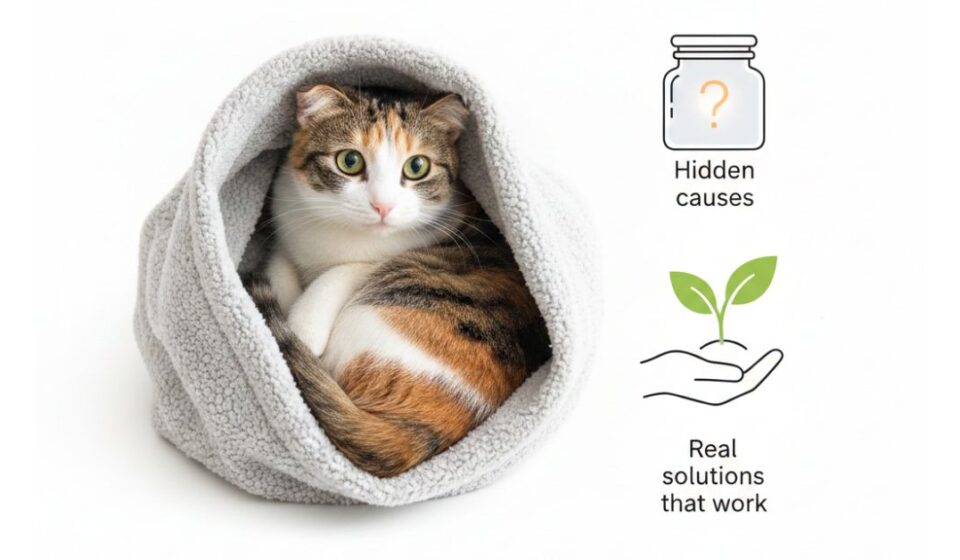

Cats are often perceived as calm, independent, and emotionally reserved. Yet behind that composed exterior, many cats experience chronic stress that manifests in subtle and sometimes alarming ways. Anxious cat behavior is more common than many households realize, and it can significantly affect a cat’s health, relationships, and quality of life.
Unlike dogs, cats rarely express distress in obvious ways. Instead of barking or pacing, stress may appear through cat hiding behavior, appetite changes, excessive grooming, or sudden aggression. These signals are frequently misunderstood as stubbornness or personality quirks when, in reality, they may reflect deeper emotional strain.
Chronic feline stress does not arise without reason. Environmental changes, medical issues, social conflict, and unmet instincts can all trigger ongoing anxiety. Identifying cat stress signs early and implementing practical strategies to reduce cat anxiety can restore balance and comfort in a cat’s daily life. A calm home environment is not just desirable for humans; it is essential for feline wellbeing.
What Anxious Cat Behavior Really Looks Like
Anxious cat behavior is not always dramatic. In many cases, it is quiet and easily overlooked. Recognizing early patterns is critical for long term improvement.
Common Behavioral Indicators
Increased Hiding
Cat hiding behavior is one of the most frequent stress responses. While occasional hiding is normal, prolonged isolation under beds or inside closets often signals emotional distress.
Excessive Grooming
Over grooming can lead to bald patches or irritated skin. This repetitive action functions as a self soothing mechanism but may indicate persistent anxiety.
Sudden Aggression
A typically gentle cat that begins swatting, hissing, or biting may be reacting to perceived threats or environmental tension.
Litter Box Avoidance
Stress can disrupt elimination habits. A previously consistent cat may begin urinating outside the litter box when feeling unsafe.
Vocal Changes
Increased meowing, yowling at night, or unusual silence can all reflect internal discomfort.
Physical Cat Stress Signs That Should Not Be Ignored
Behavioral shifts are only part of the picture. Chronic stress also produces physical symptoms.
Digestive Disruption
Vomiting, diarrhea, or appetite fluctuations may accompany anxiety. Stress affects the digestive tract through hormonal changes.
Dilated Pupils and Tense Posture
An anxious cat often maintains wide pupils and a low body posture, ready to flee at any moment.
Rapid Breathing
Even without physical exertion, stress can increase respiration rates.
When these signs persist, veterinary evaluation becomes essential to rule out medical conditions before focusing solely on behavioral factors.
Major Feline Stress Causes Inside the Home
Cats are creatures of routine. Even minor disruptions can trigger stress responses.
Environmental Changes
Moving or Renovation
Relocation, new furniture, or construction noise alters territory familiarity. Cats rely heavily on scent mapping and spatial memory.
Rearranged Furniture
A simple change in layout can temporarily unsettle a sensitive cat.
Social Stressors
New Pets
Introducing another cat or dog without gradual acclimation often sparks territorial anxiety.
New Family Members
Babies or frequent guests can overwhelm a cat’s sense of safety.
Lack of Enrichment
Insufficient Play
Predatory instincts require regular stimulation. Without outlets, frustration builds.
Limited Vertical Space
Cats feel secure when they can observe from elevated perches.
Sensory Overload
Loud Sounds
Television volume, fireworks, or construction can trigger persistent stress.
Strong Scents
Cleaning chemicals or unfamiliar fragrances may disrupt scent familiarity.
The Psychology Behind Chronic Cat Anxiety
Feline brains are wired for survival. In the wild, constant vigilance ensures protection from predators. Domestic cats retain this neurological framework.
Stress activates the hypothalamic pituitary adrenal axis, releasing cortisol. When stress is occasional, the system resets. Chronic stress, however, keeps cortisol elevated, affecting immunity, digestion, and behavior.
An anxious cat does not misbehave intentionally. The behavior is a physiological response rooted in survival instincts.
Breed and Personality Factors
Certain breeds demonstrate higher sensitivity levels.
| Breed | Typical Sensitivity Level | Common Stress Response |
|---|---|---|
| Siamese | High | Vocalization and clinginess |
| Bengal | High | Hyperactivity and agitation |
| Persian | Moderate | Withdrawal and hiding |
| Ragdoll | Low to Moderate | Mild avoidance |
| Domestic Shorthair | Variable | Depends on individual temperament |
Genetics influence reactivity, but environment plays an equally significant role.
How to Reduce Cat Anxiety at Home
Effective strategies focus on consistency, safety, and mental stimulation.
Establish Predictable Routines
Cats thrive on repetition. Feeding, playtime, and sleep cycles should remain consistent each day.
Create Safe Zones
Provide quiet spaces with bedding, familiar scents, and limited foot traffic. Vertical shelves and cat trees increase perceived security.
Enrichment and Play
Interactive toys mimic prey movement and satisfy hunting instincts. Two short play sessions daily can significantly reduce anxious cat behavior.
Scent Familiarity
Cats communicate heavily through scent. Maintaining familiar bedding and avoiding excessive cleaning of marked areas helps reinforce territory security.
Gradual Introductions
New pets or family members should be introduced slowly with controlled exposure.
Calming Anxious Cat Without Medication
While severe cases may require professional intervention, many situations improve with environmental adjustments.
Pheromone Diffusers
Synthetic feline facial pheromones can create a sense of reassurance in shared spaces.
Soft Lighting
Bright lighting may increase vigilance. Moderate lighting supports relaxation.
Background Noise
Low level ambient sound can mask sudden external noises that trigger anxiety.
Gentle Interaction
Forced handling increases stress. Allow the cat to initiate contact.
When Anxiety Signals a Medical Condition
Persistent anxious cat behavior sometimes reflects underlying health issues such as thyroid imbalance or chronic pain. If stress signs appear suddenly or intensify rapidly, medical evaluation is necessary to exclude physical causes.
Medical conditions can mimic feline stress causes, making professional assessment essential for accurate diagnosis.
Multi Cat Households and Social Tension
Territorial conflict is common in homes with multiple cats. Even subtle competition for resources may lead to chronic stress.
Resource Distribution Rule
Each cat should have individual access to food bowls, litter boxes, and resting spots. Experts recommend one litter box per cat plus one extra.
Vertical Territory
Providing separate climbing areas reduces confrontations.
Observe Silent Bullying
Not all conflict includes visible fighting. Blocking pathways or staring can intimidate sensitive cats.
The Role of Early Socialization
Kittens exposed to varied environments during early development often adapt more easily as adults. Limited early exposure may result in heightened reactivity later in life.
Early handling, gentle social experiences, and gradual environmental exposure contribute to emotional resilience.
Long Term Consequences of Ignoring Cat Stress Signs
Chronic stress affects more than mood.
Weakened Immune System
Elevated cortisol suppresses immune responses.
Urinary Tract Issues
Stress is linked to feline idiopathic cystitis, a painful urinary condition.
Behavioral Deterioration
Untreated anxiety may escalate into aggression or destructive patterns.
Addressing stress promptly improves both lifespan and quality of life.
Practical Daily Routine to Support Emotional Stability
Morning feeding at consistent times
Midday quiet rest period
Evening interactive play session
Nighttime calm environment
Consistency builds confidence. Confidence reduces anxious cat behavior.
Restoring Calm and Confidence
An anxious cat is not difficult or defiant. Stress is communication expressed through behavior and body language. Recognizing cat stress signs early prevents escalation and protects long term health.
Environmental stability, enrichment, and careful observation form the foundation for calming anxious cat behavior. Every cat possesses unique triggers shaped by genetics, early experiences, and surroundings. Addressing feline stress causes with patience and structured support transforms anxiety into security.
When homes provide predictable routines, safe territories, and respectful interaction, cats regain confidence. Emotional wellbeing is not a luxury for felines. It is a biological necessity that shapes health, behavior, and the bond shared with the people around them.
FAQs About Anxious Cat Behavior
1. Why does a cat suddenly start hiding all day?
Sudden cat hiding behavior often signals environmental change, social tension, or illness.
2. Can loud noises cause long term stress?
Yes. Repeated exposure to unpredictable sounds can lead to chronic anxiety.
3. Is over grooming always caused by stress?
Not always. Allergies or skin conditions can also cause excessive grooming.
4. How long does it take to reduce cat anxiety?
Improvement may appear within weeks once triggers are identified and routines stabilize.
5. Do indoor cats experience more stress?
Indoor cats may lack enrichment, which can contribute to anxiety if stimulation is insufficient.
6. Can diet affect anxious cat behavior?
Nutritional imbalance may influence mood indirectly, though environment remains a primary factor.
7. Why does a cat meow constantly at night?
Night vocalization may stem from boredom, stress, or cognitive changes in older cats.
8. Is it normal for cats to be anxious around guests?
Some caution is natural, but extreme fear indicates deeper sensitivity.
9. Can moving homes permanently change behavior?
Most cats adjust with time if provided structured transition support.
10. When should professional help be considered?
If stress signs persist despite environmental adjustments or worsen over time, consultation with a veterinarian or certified behavior specialist is recommended.