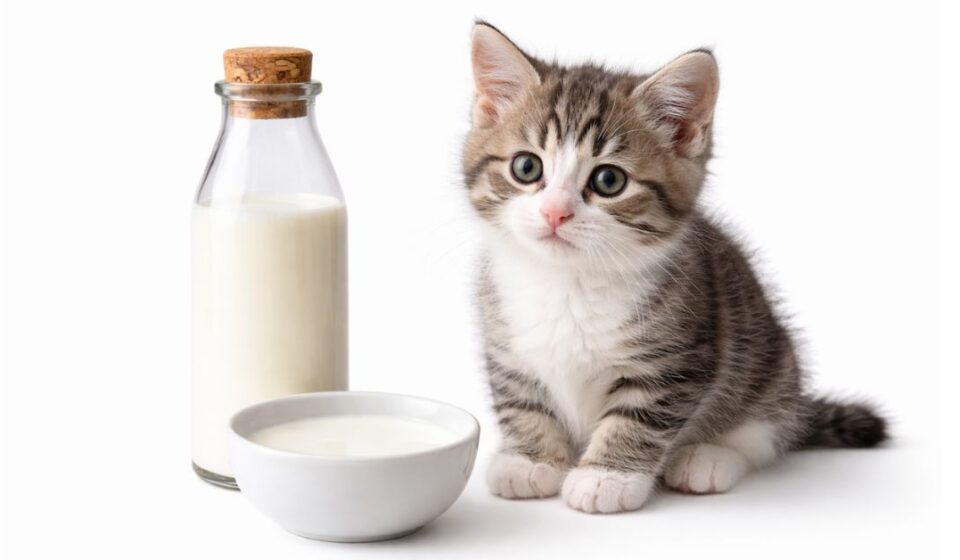

Milk has long been linked to the image of a content cat happily lapping from a saucer. Cartoons, advertisements, and popular culture have reinforced the idea that milk is a natural treat for felines. Yet beneath that comforting image lies a different biological reality. The question can cats drink milk is more complex than it appears.
Cats are obligate carnivores with digestive systems designed primarily for animal protein. Their nutritional needs differ significantly from those of humans and even dogs. While milk may seem harmless, the way a cat’s body processes dairy can lead to unexpected digestive distress.
Veterinary professionals frequently address concerns about lactose intolerance in cats, dairy for cats risks, and cat digestive problems triggered by certain treats. As pet owners seek healthier and safer options, clarity about kitten milk safety and milk alternatives for cats becomes essential. Evidence based information helps separate myth from fact and supports better dietary decisions for feline health.
The Biology Behind the Question
How Cats Digest Food
Cats evolved as hunters that consumed prey rich in protein and fat, with minimal carbohydrates. Their gastrointestinal systems are shorter and more specialized than those of omnivores. Enzymes required to break down meat are abundant, while enzymes that digest plant based carbohydrates and lactose are limited.
Lactose is a natural sugar found in milk. To digest lactose properly, the body produces an enzyme called lactase. In kittens, lactase is present in sufficient amounts because mother’s milk is their sole food source during early life. However, this changes as cats mature.
Lactose Intolerance in Cats
As kittens grow and transition to solid food, lactase production decreases significantly. Many adult cats produce little to no lactase. Without adequate lactase, lactose remains undigested in the intestines, where it ferments and draws water into the bowel.
This biological shift explains why lactose intolerance in cats is common. Undigested lactose can cause bloating, gas, abdominal discomfort, and diarrhea. These symptoms fall under broader cat digestive problems that often result from inappropriate dietary choices.
Research in veterinary nutrition consistently shows that most adult cats are lactose intolerant to varying degrees. While some may tolerate small amounts without obvious symptoms, many experience digestive upset even after consuming a modest serving of cow’s milk.
Why the Milk Myth Persists
Cultural Influence
The image of cats drinking milk is deeply embedded in media and tradition. Historical practices in rural settings may have contributed to this perception. Barn cats often had access to leftover milk from dairy farms. Because some cats did not show immediate distress, the assumption grew that milk was universally safe.
However, tolerance does not equal nutritional benefit. Even if a cat appears unaffected, milk provides no essential nutrients that a balanced commercial diet does not already supply.
The Difference Between Kittens and Adult Cats
Kitten milk safety depends on the source and formulation. Mother’s milk is specifically tailored to meet a kitten’s nutritional needs, including appropriate fat content, protein composition, and immune factors.
Cow’s milk differs significantly in nutrient profile. It contains more lactose and different protein ratios. Feeding cow’s milk to kittens can lead to diarrhea and dehydration, particularly in very young animals.
When orphaned kittens require supplementation, veterinarians recommend specially formulated kitten milk replacers rather than standard dairy products. These products are designed to mimic the composition of feline maternal milk and reduce digestive stress.
Dairy for Cats Risks
Digestive Upset
The most common consequence of feeding milk to cats is gastrointestinal distress. Symptoms may include:
- Loose stool or diarrhea
- Vomiting
- Gas and bloating
- Abdominal discomfort
- Reduced appetite
Persistent diarrhea can lead to dehydration and electrolyte imbalance, especially in kittens and senior cats.
Weight Gain and Caloric Excess
Milk contains fat and calories. Even small amounts can contribute to excessive caloric intake if offered regularly. Obesity is a growing concern in domestic cats across the United States. Excess body weight increases the risk of diabetes, joint strain, and cardiovascular stress.
Offering milk as a frequent treat may disrupt a carefully managed feeding plan and undermine weight control efforts.
Food Sensitivities and Allergies
Although less common than lactose intolerance, some cats may exhibit sensitivity to milk proteins. This can manifest as skin irritation, itching, or chronic digestive issues. Identifying dairy as a trigger often requires careful dietary evaluation.
Can Cats Drink Milk in Small Amounts?
Individual Variation
Not all cats react identically. Some may consume a small sip of milk without visible symptoms. However, absence of immediate distress does not necessarily indicate proper digestion.
Veterinary guidance generally advises against offering cow’s milk as a routine treat. Even in cats that appear tolerant, milk offers limited nutritional value relative to potential risk.
Occasional Exposure
If a cat accidentally laps a small amount of milk, severe harm is unlikely in most cases. Monitoring for signs of digestive upset is usually sufficient. Persistent symptoms warrant veterinary attention.
The broader recommendation remains clear: milk should not be considered a standard part of a cat’s diet.
Nutritional Comparison Table
The following table highlights key differences between cow’s milk, kitten milk replacer, and fresh water as dietary components for cats.
| Feature | Cow’s Milk | Kitten Milk Replacer | Fresh Water |
|---|---|---|---|
| Lactose Content | High | Reduced and controlled | None |
| Designed for Cats | No | Yes | Essential for all cats |
| Risk of Digestive Upset | Moderate to high | Low when used properly | None |
| Caloric Density | Moderate | Appropriate for kittens | Zero calories |
| Suitable for Adult Cats | Not recommended | Not necessary | Yes |
| Hydration Support | Limited | Supplemental for kittens | Primary hydration source |
This comparison reinforces the fact that water remains the most appropriate and necessary beverage for adult cats.
Milk Alternatives for Cats
Lactose Free Cat Milk
Some pet stores sell lactose free milk specifically formulated for cats. These products contain reduced lactose levels and may be easier to digest. However, they should still be offered sparingly as occasional treats rather than dietary staples.
Even lactose free formulations contain calories and fat, which must be accounted for in overall intake.
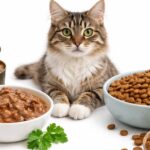
Broth and Moisture Rich Foods
For hydration and enrichment, low sodium broth made specifically for pets can be a safer option. Additionally, high quality wet cat food provides moisture that supports urinary health.
Moisture intake is particularly important because cats have a naturally low thirst drive. In the wild, hydration primarily came from prey rather than free standing water.
Fresh Water
Clean, fresh water should always be available. Many cats prefer running water and may drink more readily from fountains designed for pets. Encouraging proper hydration supports kidney function and overall well being.
Special Considerations for Kittens
Early Development
Newborn kittens rely entirely on their mother’s milk. This milk provides essential antibodies and balanced nutrition. During this stage, lactase production is high, enabling proper digestion of lactose from feline milk.
Transition to Solid Food
Around four weeks of age, kittens gradually transition to solid food. As this process continues, lactase production declines. Introducing cow’s milk during or after weaning increases the risk of digestive upset.
For orphaned kittens, commercial milk replacers formulated for feline physiology are the safest option. These products account for kitten milk safety by adjusting nutrient ratios and lactose levels.
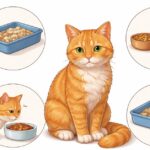
Recognizing Cat Digestive Problems
Digestive disturbances linked to dairy can vary in severity. Signs that may indicate lactose intolerance or sensitivity include:
- Frequent loose stool
- Sudden change in litter box habits
- Abdominal tenderness
- Lethargy
- Dehydration signs such as dry gums
Chronic digestive problems may also signal other underlying conditions. Persistent symptoms should prompt consultation with a qualified veterinary professional for proper evaluation.
Evidence Based Veterinary Perspective
Veterinary nutrition research consistently supports the conclusion that milk is not a necessary component of a healthy feline diet. Professional organizations and clinical practitioners emphasize complete and balanced commercial cat food as the foundation of proper nutrition.
Milk does not supply unique benefits that cannot be obtained from species appropriate diets. Instead, it introduces avoidable risks associated with lactose intolerance in cats and dairy for cats risks.
The persistence of the milk myth underscores the importance of evidence based pet care. Aligning feeding practices with feline biology supports digestive health and long term well being.
Practical Feeding Guidance
Safe Treat Principles
Treats should comprise no more than ten percent of a cat’s daily caloric intake. This principle applies to any supplemental item, including specialty cat milk products.
Selecting treats formulated specifically for cats reduces the likelihood of digestive upset and nutrient imbalance.
Monitoring Response
Whenever a new food item is introduced, close observation is prudent. Changes in stool consistency, appetite, or behavior may indicate intolerance.
Maintaining consistency in diet supports digestive stability. Sudden dietary shifts are common causes of cat digestive problems.
The Final Word on Milk and Cats
The question can cats drink milk reflects a long standing cultural assumption rather than biological reality. While the image of a cat enjoying a bowl of milk is familiar and comforting, feline physiology tells a different story. Most adult cats are lactose intolerant to varying degrees, making dairy consumption a potential source of digestive distress.
Milk does not offer essential nutrients beyond what balanced feline diets already provide. Instead, it introduces unnecessary calories and the risk of gastrointestinal upset. Even in cases where visible symptoms are absent, milk serves no practical nutritional purpose for adult cats.
Attention to lactose intolerance in cats, awareness of dairy for cats risks, and consideration of safer milk alternatives for cats contribute to informed pet care. Fresh water remains the most appropriate and vital beverage for cats of all ages. When kittens require supplementation, properly formulated milk replacers ensure kitten milk safety without compromising digestive health.
Thoughtful feeding decisions grounded in veterinary science promote comfort, vitality, and longevity. Replacing myth with evidence allows feline companions to thrive without avoidable dietary complications.
Frequently Asked Questions
1. Can cats drink milk safely?
Most adult cats are lactose intolerant. Drinking milk can cause digestive upset, including diarrhea and gas.
2. Why do cats seem to like milk?
Milk contains fat, which enhances flavor and aroma. Attraction does not indicate safe digestion.
3. Are kittens able to drink cow’s milk?
Cow’s milk is not ideal for kittens and may cause diarrhea. Special kitten milk replacers are safer when supplementation is necessary.
4. What are signs of lactose intolerance in cats?
Common signs include loose stool, bloating, vomiting, and abdominal discomfort.
5. Is lactose free milk safe for cats?
Lactose free milk formulated for cats may be tolerated better but should be offered only occasionally and in small amounts.
6. Can milk cause long term health issues?
Repeated digestive upset can contribute to dehydration and nutritional imbalance. Excess calories may also promote weight gain.
7. What should cats drink instead of milk?
Fresh water is the safest and most appropriate beverage for cats.
8. Do all cats react negatively to milk?
Individual tolerance varies, but most adult cats produce limited lactase and are prone to lactose intolerance.
9. How much milk is too much for a cat?
There is no recommended safe serving. Even small amounts can trigger symptoms in sensitive cats.
10. Are there better treat options than milk?
Commercial treats designed for cats provide safer alternatives without the lactose related risks.