
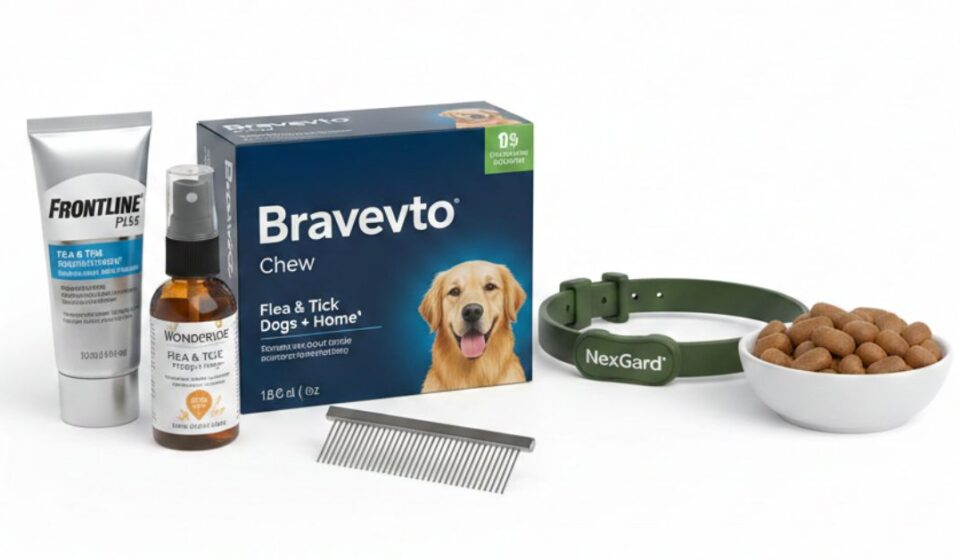

Fleas and ticks are more than seasonal nuisances. They are persistent parasites capable of affecting a dog’s comfort, behavior, and overall health. Across the United States, warmer temperatures, changing climates, and expanding wildlife habitats have contributed to longer parasite seasons. As a result, dog parasite protection has become a year round priority rather than a seasonal concern.
Even a single untreated infestation can escalate rapidly. Fleas reproduce at astonishing rates, laying dozens of eggs per day. Ticks, on the other hand, can transmit harmful pathogens within hours of attachment. These risks make prevention far more effective than reactive treatment. Choosing the best flea and tick prevention for dogs is not simply about convenience. It is about establishing a comprehensive protection plan tailored to lifestyle, geography, and exposure risk.
The market is saturated with flea treatment options dogs can use, ranging from topical applications and oral medications to collars and natural flea remedies. However, not all products provide equal coverage. Some focus primarily on fleas, while others deliver advanced tick prevention medicine. A structured evaluation of ingredients, duration of action, safety considerations, and ease of administration ensures a reliable solution that supports long term canine well being.
Why Flea and Tick Prevention Matters
Parasite prevention is foundational to responsible pet care. Fleas and ticks are not just irritating. They are vectors for disease and can trigger secondary complications that extend beyond itching.
The Health Risks of Fleas
Fleas feed on blood, and heavy infestations may contribute to anemia in smaller or younger dogs. Flea saliva can also trigger allergic dermatitis, one of the most common dermatological conditions in dogs. Symptoms include persistent scratching, redness, hair loss, and skin inflammation.
Fleas can also carry tapeworm larvae. Dogs that ingest infected fleas during grooming may develop intestinal parasites, compounding health issues.
The Dangers of Ticks
Ticks attach to the skin and feed on blood for extended periods. During feeding, they may transmit bacteria and other pathogens. Certain tick species are associated with illnesses such as Lyme disease, ehrlichiosis, and anaplasmosis.
According to data from the American Veterinary Medical Association, tick borne diseases in dogs have increased in various regions of the United States over the past decade. Prevention therefore plays a significant role in reducing exposure risk.
Common Flea Treatment Options Dogs Owners Consider
Choosing the best flea and tick prevention for dogs begins with understanding available treatment categories. Each option offers unique advantages depending on the dog’s lifestyle and environment.
Topical Treatments
Topical treatments are liquid formulations applied directly to the skin, usually between the shoulder blades. They are absorbed into the skin’s oil glands and distributed across the body.
Benefits
- Easy monthly application
- Effective against adult fleas and sometimes ticks
- Often waterproof after absorption
Considerations
- Requires careful application
- Dogs must not bathe immediately after application
- Some formulas focus more heavily on fleas than ticks
Topical products are frequently used as part of monthly flea control routines.
Oral Medications
Oral flea treatment options dogs consume in chewable tablet form have gained popularity due to convenience. These medications enter the bloodstream and eliminate parasites that feed on the dog.
Benefits
- No residue on fur
- Simple administration
- Consistent monthly protection
Considerations
- Prescription may be required
- Some formulas target fleas only, while others include tick prevention medicine
Oral treatments are often considered among the best flea and tick prevention for dogs in households with children, since there is no topical residue.
Flea and Tick Collars
Modern collars release active ingredients gradually over several months.
Benefits
- Long lasting protection, often up to eight months
- Continuous release mechanism
- Cost effective for long term coverage
Considerations
- Fit must be correct
- May not be suitable for dogs that swim frequently
Collars can serve as part of a broader dog parasite protection plan when used appropriately.
Tick Prevention Medicine: What to Look For
Tick prevention medicine must address both attachment and transmission risks. Since ticks may transmit pathogens shortly after biting, rapid kill time is crucial.
Active Ingredients
Common tick prevention medicine ingredients include isoxazolines and other insecticidal compounds designed to disrupt parasite nervous systems. Effectiveness depends on dosage, dog weight, and consistent use.
Duration of Protection
Some tick prevention medicine lasts one month, while others extend to three months. Consistency is critical. Skipping doses may create gaps in protection during peak tick season.
Regional Risk Factors
Dogs in wooded, grassy, or rural areas face higher exposure. In regions with high tick populations, comprehensive tick prevention medicine combined with routine checks enhances safety.
Natural Flea Remedies: Are They Effective?
Interest in natural flea remedies has grown among pet owners seeking chemical free solutions. While certain approaches may reduce mild infestations, their effectiveness varies.
Common Natural Approaches
- Essential oil blends formulated specifically for pets
- Herbal sprays
- Frequent bathing with gentle cleansers
- Diatomaceous earth applied to bedding
Effectiveness Considerations
Natural flea remedies may help deter fleas but rarely provide the same level of sustained control as pharmaceutical grade products. Severe infestations typically require structured monthly flea control measures.
When evaluating natural flea remedies, safety and proper dilution are essential. Some essential oils may be unsuitable for dogs if improperly used.
Building a Monthly Flea Control Strategy
Consistency defines successful parasite management. Monthly flea control ensures uninterrupted protection.
Step 1: Choose the Right Product
Selection depends on:
- Dog size and age
- Geographic location
- Exposure to wooded or grassy areas
- Indoor versus outdoor activity level
Step 2: Maintain Schedule Discipline
Marking application or dosage dates prevents lapses. Even a short interruption may allow flea populations to rebound.
Step 3: Treat the Environment
Fleas spend much of their lifecycle in the environment rather than on the dog. Vacuuming carpets, washing bedding, and maintaining yard hygiene reduces reinfestation risk.
Comparing Popular Prevention Methods
| Method | Duration | Targets Fleas | Targets Ticks | Ease of Use | Best For |
|---|---|---|---|---|---|
| Topical Treatment | One month | Yes | Some formulas | Moderate | Outdoor active dogs |
| Oral Medication | One to three months | Yes | Many formulas | High | Households with children |
| Collar | Up to eight months | Yes | Yes | High | Long term control |
| Natural Remedies | Variable | Limited | Limited | Moderate | Mild exposure cases |
This comparison highlights that the best flea and tick prevention for dogs often combines reliability, safety, and consistency.
Seasonal vs Year Round Protection
Historically, prevention focused on spring and summer. However, climate shifts have extended parasite activity into fall and winter in many states.
Climate Influence
Warmer winters in parts of the United States allow fleas and ticks to remain active for longer periods.
Veterinary Recommendations
The Centers for Disease Control and Prevention emphasizes year round vigilance against tick exposure in high risk regions. Continuous monthly flea control may provide broader protection.
Signs Prevention Is Working
Effective dog parasite protection often goes unnoticed because absence of infestation is the goal. Indicators of success include:
- Minimal scratching
- No visible fleas or flea dirt
- No ticks found during routine checks
- Healthy coat and skin
Routine grooming allows early detection of issues before they escalate.
When Prevention Needs Adjustment
Not every solution works equally for every dog. If fleas persist despite treatment, possible causes include:
- Missed monthly flea control dose
- Environmental reinfestation
- Incorrect product selection
- Bathing too soon after topical application
Adjustments may involve switching to broader spectrum flea treatment options dogs can tolerate effectively.
Cost Versus Value in Prevention
Cost considerations often influence purchasing decisions. However, preventive care typically reduces long term expenses associated with treating infestations or managing parasite related illness.
Investing in reliable tick prevention medicine and consistent monthly flea control often proves more economical than addressing advanced infestations.
Integrated Dog Parasite Protection Plan
The best flea and tick prevention for dogs is rarely a single product. A layered approach enhances outcomes.
Core Components
- Monthly flea control product
- Routine tick checks after outdoor activity
- Environmental cleaning
- Consistent grooming
Advanced Protection
For dogs in high risk regions, combining oral medication with environmental management creates comprehensive dog parasite protection.
Final Thoughts on Protecting Dogs from Fleas and Ticks
Parasite prevention is a foundational element of canine wellness. Fleas and ticks are resilient, adaptive, and capable of rapid reproduction. Waiting for visible signs of infestation often allows problems to escalate. Proactive selection of the best flea and tick prevention for dogs reduces risk, enhances comfort, and supports overall health.
A structured plan built around reliable flea treatment options dogs can tolerate, effective tick prevention medicine, and disciplined monthly flea control creates consistent dog parasite protection. Environmental management strengthens this protection by limiting reinfestation cycles. Natural flea remedies may complement prevention in mild exposure settings, but comprehensive strategies deliver stronger results in moderate to high risk environments.
Dogs depend on consistent care to remain protected against invisible threats. With thoughtful planning and sustained preventive measures, long term parasite control becomes manageable and predictable, allowing dogs to remain active, comfortable, and healthy throughout every season.
Frequently Asked Questions
1. What is the best flea and tick prevention for dogs?
The most effective option depends on the dog’s lifestyle and exposure risk. Oral medications and long lasting collars are widely regarded as reliable solutions.
2. How often should monthly flea control be applied?
Most products require application every thirty days unless labeled otherwise.
3. Are natural flea remedies enough?
They may help in low exposure situations but typically do not replace structured flea treatment options dogs need for heavy infestations.
4. Can indoor dogs skip tick prevention medicine?
Indoor dogs may still be exposed through yards, parks, or contact with other animals. Year round protection is often recommended.
5. Do flea collars really work?
Modern collars can provide extended protection when fitted correctly and used consistently.
6. What happens if a monthly dose is missed?
Protection gaps may allow fleas to reproduce. Resume the schedule promptly.
7. Is tick prevention medicine necessary in winter?
In many US regions, ticks remain active beyond summer, making year round prevention beneficial.
8. How can reinfestation be prevented?
Treat both the dog and the environment, including bedding and carpets.
9. Are oral medications better than topical treatments?
Both are effective. Oral medications eliminate surface residue, while topicals may repel parasites before biting.
10. How long does it take to see results?
Many treatments begin killing fleas within hours, with full control achieved after consistent monthly use.