
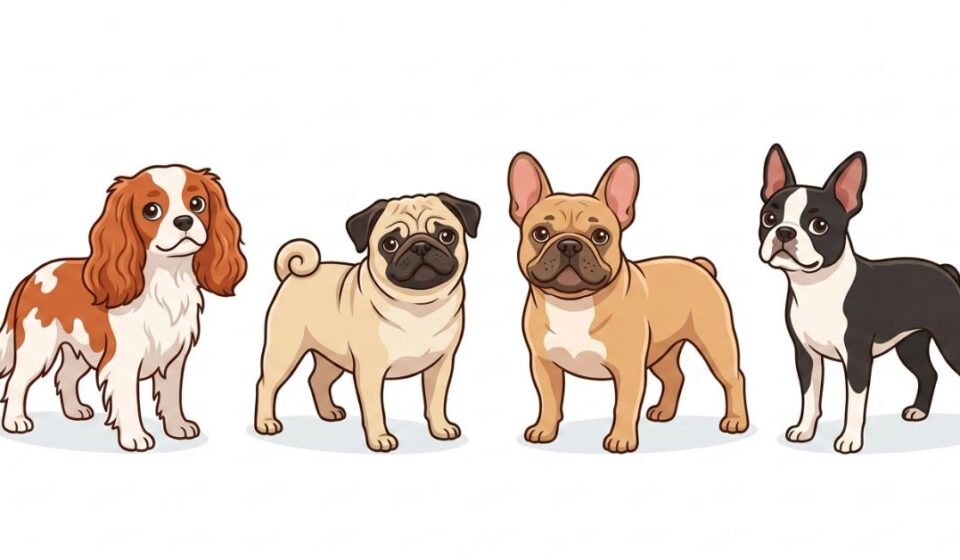

Apartment living in the United States has transformed the way people think about pet ownership. High rise buildings, compact studio spaces, and shared walls demand thoughtful choices, especially when welcoming a dog into daily life.
For first time owners, the decision carries even greater weight. The right breed can turn a modest apartment into a comfortable home filled with companionship, while the wrong fit can create stress for both owner and pet.
Selecting the best dog breeds for first time owners requires more than choosing a cute face or a trending breed on social media. Temperament, energy level, grooming needs, adaptability, and trainability all play a crucial role.
Many apartment friendly dog breeds thrive not because they are small, but because they are calm, adaptable, and comfortable with indoor lifestyles. A large dog with a relaxed disposition may adjust better than a high energy small breed that needs constant stimulation.
Across the country, urban professionals, students, and families are searching for low maintenance dogs that suit limited space without compromising companionship. Research from organizations such as the American Kennel Club consistently highlights the importance of breed temperament and lifestyle compatibility. Calm dog breeds and easy to train dog breeds often make the most successful transitions into first time homes, especially in apartments where noise and activity levels must remain considerate of neighbors.
Why Breed Selection Matters for Apartment Living
Space Constraints and Behavioral Fit
Apartments generally provide less square footage than suburban homes. Dogs that require large yards or constant physical activity may struggle in confined spaces. However, square footage alone does not determine success. Some small dogs for beginners possess surprisingly high energy levels, while certain medium sized breeds are content with moderate daily walks.
The best dog breeds for first time owners in apartments typically share these characteristics:
- Moderate or low energy levels
- Quiet disposition
- Strong adaptability
- Social and people oriented personality
- Manageable grooming needs
Noise and Neighbor Considerations
Excessive barking can create tension in shared living environments. Many calm dog breeds naturally bark less or respond well to early training. Choosing easy to train dog breeds simplifies the process of establishing boundaries such as quiet hours and appropriate indoor behavior.
Maintenance and Lifestyle Balance
First time owners often underestimate the time commitment required for grooming, exercise, and mental stimulation. Low maintenance dogs reduce overwhelm and make the transition into pet ownership smoother. Regular routines remain essential, but manageable grooming and moderate activity levels prevent burnout.
Core Traits of the Best Dog Breeds for First Time Owners
Temperament Stability
A stable and predictable temperament supports easier bonding and smoother training. Breeds known for friendliness and patience are ideal for beginners.
Trainability
Easy to train dog breeds respond quickly to positive reinforcement and consistency. Intelligence paired with eagerness to please significantly reduces frustration during the early months.
Adaptability to Urban Environments
Apartment friendly dog breeds tolerate elevators, hallway noises, and city sounds such as sirens and traffic. Adaptability reduces anxiety related behaviors.
Moderate Exercise Needs
While all dogs require daily activity, certain breeds are satisfied with structured walks and indoor play rather than intense running sessions.
Best Dog Breeds for First Time Owners in Apartments
Cavalier King Charles Spaniel
The Cavalier King Charles Spaniel consistently ranks among the best dog breeds for first time owners. This breed blends affectionate temperament with manageable energy levels.
Why It Works in Apartments
- Small size suited to compact living
- Calm indoor demeanor
- Strong desire for human companionship
- Adaptable to varying activity levels
Grooming and Care
Moderate brushing maintains coat health. Regular walks and indoor play satisfy exercise needs without overwhelming beginners.
French Bulldog
The French Bulldog has become one of the most popular apartment friendly dog breeds in urban America.
Key Strengths
- Minimal barking
- Low grooming requirements
- Affectionate and sociable personality
- Compact build ideal for smaller spaces
French Bulldogs are considered low maintenance dogs in terms of exercise, although consistent care and attention remain essential.
Shih Tzu
The Shih Tzu is widely recognized as one of the best small dogs for beginners.
Apartment Advantages
- Comfortable with indoor living
- Generally calm temperament
- Strong bonding tendencies
Regular grooming is necessary, but professional grooming schedules simplify coat management.
Poodle
The Poodle, especially in miniature and toy sizes, excels as one of the most easy to train dog breeds.
Training Benefits
- High intelligence
- Quick response to commands
- Strong adaptability
Poodles are often recommended for first time owners who value responsiveness and structured learning.
Bichon Frise
The Bichon Frise combines cheerful personality with apartment adaptability.
Strengths for Beginners
- Friendly and social
- Moderate energy
- Compact size
Consistent grooming keeps the coat manageable, but temperament stability makes it a strong contender among calm dog breeds.
Greyhound
Surprisingly, the Greyhound fits well into apartment settings.
Why a Larger Breed Can Work
Despite racing ancestry, Greyhounds are often described as couch companions. They enjoy short bursts of activity followed by extended rest periods.
This example illustrates that apartment friendly dog breeds are defined by temperament rather than size alone.
Top Apartment Friendly Dog Breeds
| Breed | Size Category | Energy Level | Grooming Needs | Trainability | Barking Tendency | Beginner Friendly |
|---|---|---|---|---|---|---|
| Cavalier King Charles Spaniel | Small | Moderate | Moderate | High | Low | Excellent |
| French Bulldog | Small | Low | Low | Moderate | Low | Excellent |
| Shih Tzu | Small | Low to Moderate | High | Moderate | Low | Very Good |
| Poodle | Small to Medium | Moderate | Moderate | Very High | Low to Moderate | Excellent |
| Bichon Frise | Small | Moderate | Moderate to High | High | Low | Excellent |
| Greyhound | Medium to Large | Low indoors | Low | Moderate | Very Low | Very Good |
Training Essentials for First Time Owners
Early Socialization
Exposure to different environments, people, and sounds builds confidence. Apartment dwellers benefit from gradual introductions to elevators, stairwells, and nearby parks.
Consistent Routine
Dogs thrive on predictability. Structured feeding times, walks, and quiet periods reduce anxiety and behavioral issues.
Positive Reinforcement
Reward based methods strengthen bonds and improve learning outcomes. Easy to train dog breeds respond especially well to consistent encouragement.
Grooming and Maintenance Considerations
Low Maintenance Dogs for Busy Lifestyles
French Bulldogs and Greyhounds require minimal coat maintenance. Short haired breeds typically need less brushing.
Moderate Maintenance with High Reward
Breeds such as the Shih Tzu and Bichon Frise require regular grooming but compensate with affectionate and stable personalities.
Shedding and Allergies
Poodles are often preferred in apartments due to their coat characteristics, which may reduce visible shedding.
Mental Stimulation in Limited Spaces
Even calm dog breeds require enrichment. Puzzle toys, scent games, and short training sessions prevent boredom. Mental engagement can be as important as physical exercise.
Indoor fetch using soft toys, structured obedience sessions, and hide and seek activities create stimulation without excessive noise.
Common Mistakes First Time Owners Should Avoid
Choosing Based on Appearance Alone
Visual appeal should not outweigh temperament compatibility. A high energy breed may struggle despite its size advantage.
Ignoring Exercise Needs
Even low maintenance dogs need daily movement. Skipping walks can lead to restlessness.
Overlooking Breed Specific Traits
Every breed carries inherent characteristics shaped by history and purpose. Researching these traits ensures realistic expectations.
The Psychology of Dog Owner Compatibility
Human lifestyle patterns influence breed suitability. Introverted individuals may prefer calm dog breeds with relaxed temperaments. Active urban professionals might lean toward moderate energy breeds that enjoy daily structured walks.
Studies referenced by the American Veterinary Medical Association emphasize that responsible ownership and realistic planning significantly impact long term satisfaction. Compatibility extends beyond breed alone and includes commitment to training and daily care.
Apartment Living Success Strategies
Create a Defined Space
Even in small apartments, designating a resting corner builds security and routine.
Noise Desensitization
Gradual exposure to city sounds reduces anxiety.
Structured Outdoor Time
Scheduled park visits balance indoor living with necessary physical movement.
Long Term Benefits of Choosing the Right Breed
Selecting the best dog breeds for first time owners results in:
- Reduced behavioral stress
- Stronger owner pet bond
- Higher retention and lower rehoming rates
- Positive apartment community relationships
A thoughtful choice supports both emotional companionship and practical living harmony.
A Confident Start to Responsible Ownership
Apartment living does not limit the possibility of meaningful canine companionship. With informed selection and realistic planning, even compact spaces can support thriving relationships between dogs and their owners. The best dog breeds for first time owners combine temperament stability, manageable care requirements, and adaptability to modern urban life.
Thoughtful breed selection reflects respect for the animal and the living environment. Calm dog breeds and easy to train dog breeds simplify the transition into pet ownership while strengthening long term bonds.
When lifestyle compatibility aligns with breed characteristics, apartment living transforms into a structured and nurturing setting for both dog and owner. The result is not only convenience but a stable and rewarding partnership that enhances daily life in lasting ways.
FAQs
1. What are the best dog breeds for first time owners in apartments?
Breeds such as Cavalier King Charles Spaniel, French Bulldog, Poodle, Bichon Frise, and Greyhound consistently rank highly due to temperament and adaptability.
2. Are small dogs always better for apartments?
Not necessarily. Temperament and energy level matter more than size. Some medium breeds adapt better than high energy small dogs.
3. Which apartment friendly dog breeds bark the least?
French Bulldogs and Greyhounds are generally known for lower barking tendencies.
4. Are Poodles suitable for beginners?
Yes. Poodles are considered easy to train dog breeds with high intelligence and responsiveness.
5. What defines low maintenance dogs?
Low maintenance dogs typically require minimal grooming, moderate exercise, and display stable temperaments.
6. How much exercise do calm dog breeds need?
Most calm dog breeds require daily walks and light indoor play, though intensity varies by individual dog.
7. Is grooming difficult for Shih Tzus?
Regular grooming is necessary, but professional services simplify coat care.
8. Can large dogs live comfortably in apartments?
Yes, if the breed has low indoor energy, such as Greyhounds.
9. How important is early training for beginners?
Early training builds structure, reduces behavioral issues, and strengthens bonding.
10. What is the biggest mistake first time dog owners make?
Choosing a breed without evaluating lifestyle compatibility is the most common error.