
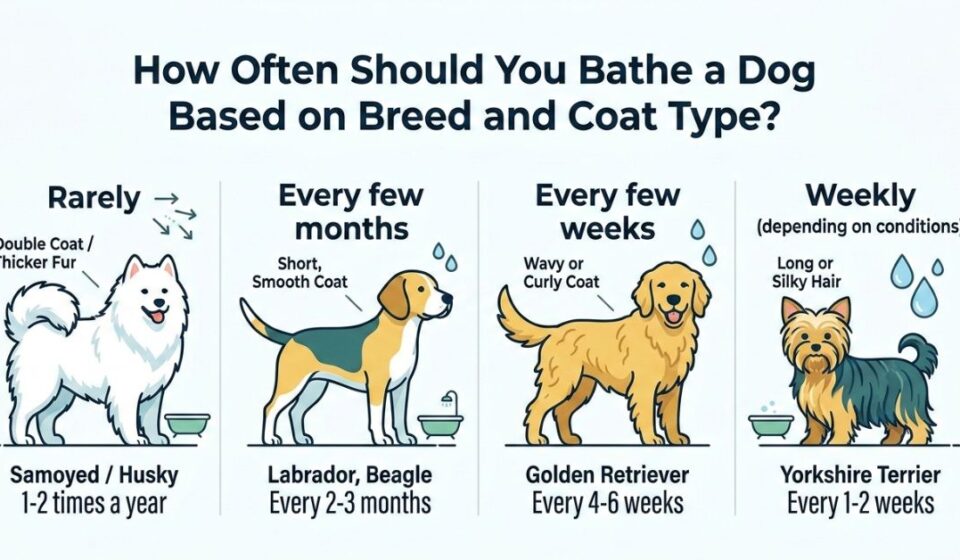

Few aspects of pet care create as much confusion as bathing frequency. Some households wash their dogs weekly, believing it promotes cleanliness. Others avoid baths for months out of fear that it will dry the skin. The truth lies somewhere in between, and it varies significantly depending on breed, coat type, skin sensitivity, and lifestyle.
A healthy bathing routine supports more than surface cleanliness. It helps remove allergens, environmental debris, and excess oils while preserving the skin barrier that protects against irritation and infection. When done properly, bathing enhances coat texture, reduces odor, and contributes to overall canine comfort. When done too frequently, however, it may disrupt natural oil production and compromise skin health.
The question of how often should you bathe a dog cannot be answered with a single universal rule. Veterinary dermatology guidance and professional grooming standards emphasize individualized care based on coat structure and breed characteristics. This detailed guide provides a science informed, breed specific framework to establish the right dog bathing schedule while maintaining optimal coat condition.
Why Bathing Frequency Matters
A dog’s skin differs significantly from human skin. Canine skin has a thinner epidermal layer and a different pH balance. Excessive washing may strip essential lipids that maintain hydration and barrier protection. On the other hand, infrequent bathing can lead to buildup of dirt, allergens, and microorganisms.
Proper dog grooming frequency balances three core goals:
Skin Barrier Preservation
Natural oils known as sebum keep the coat glossy and prevent dryness. Overbathing disrupts this equilibrium.
Odor and Debris Control
Active dogs accumulate environmental pollutants. Bathing removes trapped particles and reduces unpleasant odor.
Allergy and Shedding Management
Routine bathing can help reduce allergens and loose fur in the household environment.
A structured dog bathing schedule therefore supports both hygiene and dermatologic health.
Coat Type Determines Bathing Needs
Coat structure is the primary factor when determining how often should you bathe a dog. Each coat type retains oils and dirt differently.
Short Haired Breeds
Examples include the Labrador Retriever, Beagle, and Boxer.
Short coated dogs typically require bathing every four to eight weeks. Their coats lie close to the skin and distribute natural oils efficiently. Excessive washing may result in dryness or flaking.
Bathing Short Haired Dog Guidelines
• Use gentle canine formulated shampoo
• Brush weekly to remove loose fur
• Increase frequency if exposed to mud or heavy outdoor activity
Short coated breeds often benefit more from brushing than frequent bathing.
Double Coated Breeds
Examples include the German Shepherd, Siberian Husky, and Golden Retriever.
Double coated dogs possess a dense undercoat beneath a protective topcoat. These breeds should typically be bathed every eight to twelve weeks unless visibly dirty.
Overbathing may interfere with natural shedding cycles. Instead, consistent brushing supports coat health and reduces matting.
Coat Care Considerations
• Seasonal shedding requires increased brushing
• Thorough rinsing prevents residue buildup
• Avoid shaving unless recommended for medical reasons
Long Haired and Silky Coats
Breeds such as the Shih Tzu, Yorkshire Terrier, and Maltese have continuously growing hair similar to human strands.
These dogs typically require bathing every three to four weeks. Their coats trap dirt more easily and may develop tangles without consistent grooming.
Regular trimming also supports coat hygiene.
Curly and Wavy Coats
The Poodle and Portuguese Water Dog have dense, curly hair that retains moisture and debris.
Bathing every three to six weeks is generally appropriate. Because curls trap particles, brushing before and after bathing prevents mat formation.
Hairless Breeds
Hairless varieties such as the Chinese Crested require more frequent bathing, often every one to two weeks.
Without fur to absorb oils, the skin may become greasy. Gentle cleansing supports skin clarity while preventing irritation.
Breed Specific Bathing Schedule Table
| Coat Type | Example Breeds | Recommended Dog Bathing Schedule | Key Grooming Focus |
|---|---|---|---|
| Short coat | Labrador Retriever, Beagle | Every 4 to 8 weeks | Weekly brushing |
| Double coat | German Shepherd, Husky | Every 8 to 12 weeks | Undercoat management |
| Long silky coat | Shih Tzu, Maltese | Every 3 to 4 weeks | Detangling and trimming |
| Curly coat | Poodle | Every 3 to 6 weeks | Mat prevention |
| Hairless | Chinese Crested | Every 1 to 2 weeks | Skin moisture balance |
This framework provides general guidance. Lifestyle and skin sensitivity may adjust timing.
Lifestyle Influences Bathing Frequency
Beyond breed, environmental exposure plays a major role in determining dog grooming frequency.
Outdoor Activity Level
Dogs that swim, hike, or roll in soil require more frequent bathing than primarily indoor pets.
Climate Conditions
Humid climates may promote odor and skin issues. Dry climates may require reduced bathing to prevent flaking.
Allergies and Sensitivities
Dogs with environmental allergies may benefit from regular rinsing to remove irritants.
Signs a Dog Needs a Bath
Rather than relying strictly on a calendar, observable cues offer practical guidance.
• Noticeable odor
• Greasy or sticky coat texture
• Visible dirt accumulation
• Excessive scratching due to debris
Conversely, persistent dryness or dandruff may indicate bathing too often.
How to Bathe a Dog at Home Safely
Establishing a structured approach improves comfort and efficiency.
Preparation
Gather towels, canine shampoo, a brush, and lukewarm water. Brushing prior to bathing removes loose hair and prevents tangles.
Water Temperature
Water should be comfortably warm but never hot. Dogs have sensitive skin that may react to extreme temperatures.
Shampoo Application
Use a product formulated specifically for dogs. Human shampoos disrupt canine skin pH.
Massage gently from neck downward, avoiding eyes and ears.
Thorough Rinsing
Residual shampoo is a common cause of irritation. Rinse until water runs completely clear.
Drying
Towel dry thoroughly. For long or curly coats, a low heat dryer may be used carefully.
The Science Behind Skin Oils
Sebaceous glands produce natural oils that protect the skin barrier. Frequent washing may overstimulate oil production, leading to a cycle of greasiness and increased bathing.
Professional grooming research suggests that moderate bathing intervals preserve microbiome balance. Skin flora contributes to immune defense and overall dermatologic stability.
Common Bathing Mistakes
Overbathing
Excessive washing can lead to dryness, itching, and dull coat texture.
Infrequent Brushing
Brushing is often more important than bathing for maintaining coat quality.
Using Human Products
Canine skin typically has a pH closer to neutral compared to human acidic skin.
Ignoring Ears and Paws
These areas accumulate debris and may require gentle cleaning.
Puppy Bathing Guidelines
Young puppies typically require less frequent bathing unless visibly dirty. Early positive experiences help establish lifelong grooming tolerance.
Introduce bathing gradually with calm reinforcement.
Senior Dog Considerations
Older dogs may have more sensitive skin. Gentle handling and shorter sessions support comfort.
Joint stiffness may also require supportive positioning during bathing.
Professional Grooming Versus Home Bathing
Professional groomers provide coat trimming, nail care, and advanced de shedding services. However, many households successfully manage routine bathing at home with proper technique.
For complex coat types such as Poodles or heavy shedding double coated breeds, professional grooming every six to eight weeks may complement home care.
Establishing the Ideal Dog Bathing Schedule
A practical schedule integrates:
• Breed and coat structure
• Activity level
• Seasonal changes
• Skin condition
Monitoring coat texture and comfort between baths ensures flexibility.
Final Thoughts on Dog Bathing Frequency
Determining how often should you bathe a dog involves far more nuance than adhering to a rigid timeline. Coat structure, breed genetics, activity patterns, and environmental exposure collectively influence ideal grooming intervals. A balanced dog bathing schedule supports hygiene while preserving the natural protective barrier essential for skin integrity.
Excessive washing may compromise moisture balance, while insufficient care can lead to odor and debris buildup. Observing coat condition, texture, and comfort provides reliable guidance beyond calendar based routines. When combined with consistent brushing and attentive coat care practices, bathing becomes a supportive component of overall canine wellness rather than a cosmetic task.
A thoughtful approach rooted in breed specific knowledge ensures that each dog maintains healthy skin, a vibrant coat, and long term comfort. Careful attention to grooming frequency ultimately strengthens the daily bond between companion animals and the households that care for them.
Frequently Asked Questions
1. How often should you bathe a dog with sensitive skin?
Sensitive skin often benefits from less frequent bathing, typically every six to eight weeks unless advised otherwise.
2. Can a dog be bathed once a week?
Weekly bathing may be suitable for hairless breeds but is generally excessive for most coat types.
3. Does frequent bathing reduce shedding?
Bathing helps remove loose fur but brushing remains more effective for shedding control.
4. Is bathing short haired dog easier than long haired breeds?
Short coated breeds typically require less drying and detangling effort.
5. Should dogs be bathed after swimming?
Rinsing after swimming removes chlorine or salt, which can dry the skin.
6. What happens if a dog is not bathed regularly?
Oil and dirt accumulation may lead to odor and discomfort.
7. How does climate affect dog grooming frequency?
Humid environments may require slightly more frequent baths compared to dry regions.
8. Do indoor dogs need fewer baths?
Indoor dogs with limited exposure to dirt often require less frequent bathing.
9. Can bathing improve coat shine?
Proper bathing combined with balanced nutrition enhances natural coat luster.
10. What is the most important dog coat care tip?
Consistent brushing tailored to coat type supports long term skin and coat health.
Bathing habits directly impact canine skin health and coat shine. The right dog bathing schedule depends on breed and coat type, not guesswork.
Healthy grooming routines preserve natural oils and reduce irritation. Learn the proper dog grooming frequency today.
Read the full guide for expert insights.
#DogCare #PetHealth #DogGrooming #DogBathing #PetParents #DogCoatCare #HealthyDogs #PuppyCare #PetWellness #DogHygiene