
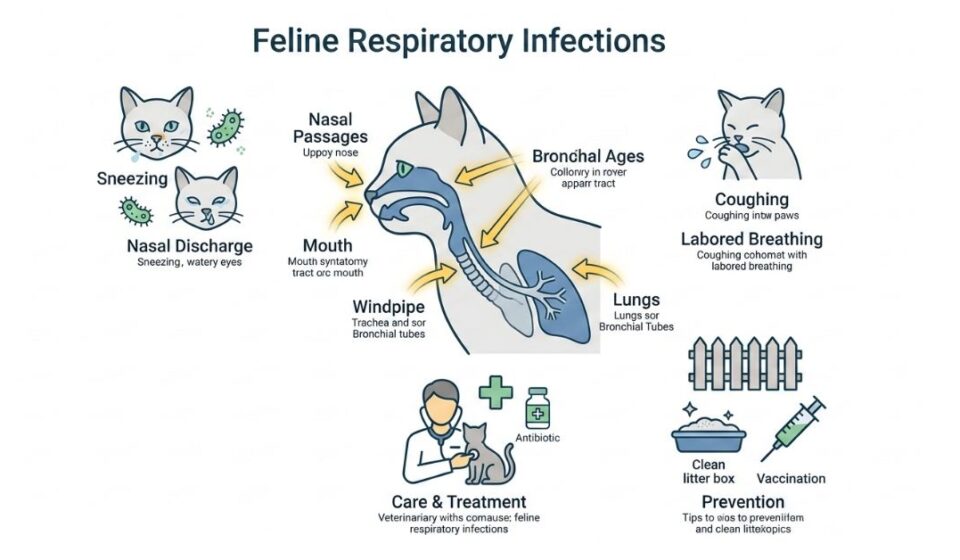

Respiratory health plays a vital role in a cat’s overall well being. Even a mild infection can quickly affect appetite, energy levels, and behavior. When a normally active cat becomes lethargic, develops watery eyes, or begins sneezing repeatedly, these changes often signal something deeper. Cat respiratory infection symptoms are among the most common health concerns reported in veterinary settings across the United States.
Upper airway infections are especially frequent in young kittens, shelter cats, and multi cat households. Research from the American Veterinary Medical Association indicates that upper respiratory infection in cats remains one of the leading reasons for veterinary visits, particularly in crowded environments. While many infections resemble a simple feline cold, some cases progress into more serious complications if left unmanaged.
A clear understanding of feline cold symptoms, common cat sneezing causes, and appropriate supportive care can make a significant difference in recovery outcomes. This comprehensive guide presents an evidence based overview of causes, symptoms, risk factors, treatment considerations, and preventive strategies for respiratory infections in cats.
What Is an Upper Respiratory Infection in Cats
An upper respiratory infection in cats refers to an infection affecting the nose, throat, sinuses, and upper airway passages. It is comparable to a human common cold, though certain feline viruses and bacteria can produce more severe effects.
Upper respiratory infection cats typically contract involves pathogens that spread through:
- Direct contact with infected cats
- Shared food and water bowls
- Airborne droplets from sneezing
- Contaminated surfaces
These infections are highly contagious, particularly in environments such as shelters, boarding facilities, or breeding catteries.
Primary Pathogens Behind Feline Respiratory Illness
The most common viral causes include:
- Feline herpesvirus
- Feline calicivirus
Bacterial contributors may include:
- Bordetella bronchiseptica
- Chlamydia felis
- Mycoplasma species
The Cornell University College of Veterinary Medicine notes that viral infections account for the majority of upper respiratory infection cats cases, with secondary bacterial infections frequently complicating recovery.
Recognizing Cat Respiratory Infection Symptoms
Early detection significantly improves recovery outcomes. Cat respiratory infection symptoms may vary from mild to severe depending on the immune response and the causative organism.
Common Clinical Signs
The following symptoms are most frequently observed:
- Persistent sneezing
- Nasal discharge that may be clear or thick
- Watery or crusted eyes
- Mild fever
- Reduced appetite
- Lethargy
In kittens or immunocompromised cats, symptoms may intensify.
Advanced Warning Signs
More concerning indicators include:
- Difficulty breathing
- Open mouth breathing
- Severe eye inflammation
- Ulcerations in the mouth
- Persistent coughing
Any breathing difficulty warrants urgent veterinary evaluation.
Feline Cold Symptoms Versus Severe Infection
Many owners refer to upper respiratory infection cats as a feline cold. While this comparison helps describe mild cases, important distinctions exist.
Mild Feline Cold Symptoms
- Occasional sneezing
- Clear nasal discharge
- Mild eye watering
- Normal appetite
These cases often resolve with supportive care and close observation.
Indicators of Complication
- Thick yellow or green discharge
- Dehydration
- Weight loss
- Prolonged symptoms beyond ten days
When symptoms persist or worsen, professional assessment is recommended.
Cat Sneezing Causes Beyond Infection
Although infection remains the leading cause, cat sneezing causes are not always viral or bacterial.
Other Potential Triggers
- Environmental allergens such as dust or pollen
- Strong cleaning chemicals
- Smoke exposure
- Foreign objects in the nasal passage
- Dental disease affecting sinus cavities
Identifying patterns in sneezing episodes helps differentiate between infectious and environmental factors.
Why Kittens Face Higher Risk
Kitten respiratory illness is particularly common due to immature immune systems. Young cats in shelters face even greater exposure risk because of close proximity to other animals.
According to the American Society for the Prevention of Cruelty to Animals, respiratory infections are among the most frequent medical conditions treated in rescued kittens.
Complications in Kittens
- Rapid dehydration
- Growth delays
- Secondary bacterial infections
- Pneumonia in severe cases
Prompt supportive care is critical for young cats.
How Respiratory Infections Spread
Transmission occurs through direct and indirect contact.
Primary Transmission Routes
- Sneezing droplets
- Shared bedding
- Grooming contact
- Human hands after handling infected cats
Viruses such as feline herpesvirus can remain latent and reactivate during stress, leading to recurrent episodes.
Diagnosis and Evaluation
Veterinary evaluation typically involves:
- Physical examination
- Assessment of discharge type
- Temperature check
- History of exposure
In chronic or severe cases, diagnostic tests such as swabs, imaging, or blood work may be performed.
The VCA Animal Hospitals highlights that most uncomplicated cases are diagnosed clinically without advanced laboratory testing.
General Cat Flu Treatment Approaches
Cat flu treatment focuses on supportive care rather than direct antiviral elimination in most cases.
Supportive Care Measures
- Ensuring hydration
- Maintaining a warm resting environment
- Encouraging food intake
- Gentle cleaning of nasal and eye discharge
In bacterial complications, a veterinarian may prescribe antibiotics. Antiviral therapy may be considered in severe herpesvirus cases.
Nutritional Support
Loss of smell due to nasal congestion reduces appetite. Warming wet food slightly may enhance aroma and stimulate eating.
Recovery Timeline
Most mild upper respiratory infection cats recover within seven to fourteen days.
Factors Influencing Recovery
- Age
- Immune strength
- Stress levels
- Presence of underlying disease
Chronic carriers of feline herpesvirus may experience recurring symptoms during stress events.
Prevention Strategies
Preventive care significantly reduces infection risk.
Vaccination
Core vaccines typically protect against:
- Feline herpesvirus
- Feline calicivirus
Vaccination does not eliminate infection risk entirely but reduces severity.
Environmental Hygiene
- Regular litter box cleaning
- Separate bowls for each cat
- Frequent hand washing
- Isolation of symptomatic cats
Comparing Mild and Severe Respiratory Infection
| Feature | Mild Infection | Severe Infection |
|---|---|---|
| Sneezing Frequency | Occasional | Frequent and forceful |
| Nasal Discharge | Clear | Thick yellow or green |
| Appetite | Slightly reduced | Significantly reduced |
| Energy Level | Mild lethargy | Marked weakness |
| Breathing | Normal | Labored or open mouth |
| Duration | 7 to 10 days | More than 14 days |
Chronic and Recurrent Infections
Some cats become lifelong carriers, particularly with feline herpesvirus.
Stress Triggers
- Boarding
- Household changes
- Introduction of new pets
- Surgery
Managing environmental stress plays a role in long term respiratory health.
When Veterinary Attention Is Essential
Immediate evaluation is recommended when:
- Breathing becomes labored
- Kittens stop eating
- Symptoms persist beyond two weeks
- Eye ulcers appear
Respiratory compromise can escalate rapidly, especially in young kittens.
Long Term Health Outlook
Most cats recover fully from mild infections. However, repeated infections may contribute to:
- Chronic nasal discharge
- Sinus inflammation
- Ongoing sneezing
Early management and preventive vaccination improve long term outcomes.
Final Thoughts on Protecting Feline Respiratory Health
Respiratory infections remain one of the most common health challenges affecting cats across all life stages. While many cases resemble a mild feline cold, the potential for complications underscores the importance of vigilance. Early recognition of cat respiratory infection symptoms allows for timely supportive care and reduces the risk of escalation.
Environmental hygiene, stress management, and adherence to vaccination protocols form the foundation of prevention. Kittens and shelter cats deserve particular attention due to their increased vulnerability. Although most infections resolve without lasting consequences, recurrent cases may signal underlying viral persistence or environmental stressors.
Maintaining awareness of feline cold symptoms, differentiating between common cat sneezing causes, and recognizing when professional evaluation is necessary ensures better health outcomes. A proactive approach to respiratory wellness supports stronger immunity, improved comfort, and long term quality of life for cats in every household.
Frequently Asked Questions
1. How long do cat respiratory infection symptoms last
Most mild cases resolve within one to two weeks, though lingering sneezing may persist slightly longer.
2. Can humans catch upper respiratory infection cats have
Most feline respiratory viruses are species specific and do not infect humans.
3. What are the earliest feline cold symptoms
Early signs often include sneezing and mild watery eye discharge.
4. Are kitten respiratory illness cases more serious
Yes. Kittens are more vulnerable to dehydration and complications.
5. Why does nasal discharge change color
Thicker colored discharge often indicates secondary bacterial involvement.
6. Can stress trigger recurrence
Yes. Viral infections such as herpesvirus may reactivate during stress.
7. Should cats with respiratory infection be isolated
Isolation reduces transmission in multi cat households.
8. Does vaccination prevent all infections
Vaccines reduce severity but do not guarantee complete immunity.
9. Are chronic infections common
Some cats develop recurrent symptoms, especially those carrying herpesvirus.
10. When is breathing difficulty an emergency
Any open mouth breathing or visible respiratory distress requires immediate care.